
Snackers who watch their portions
If you’re buying popcorn for yourself, check the energy per 100 g as well as the weight of the portion you actually eat. Its light, airy appearance doesn’t tell you how much you’re having overall.


If you’re a new parent looking for a mindful popcorn snack, ready-to-eat popcorn suits you if you don’t want to prepare anything, microwave popcorn if you want it warm, and popcorn kernels if you want to choose your own toppings. Weigh your portion and compare nutritional values on the same basis: a smaller portion does not make popcorn legally classed as low energy. If you’re breastfeeding, also bear in mind that you need more energy and nutrients.
If you’re buying popcorn for yourself, check the energy per 100 g as well as the weight of the portion you actually eat. Its light, airy appearance doesn’t tell you how much you’re having overall.
Ready-to-eat popcorn needs no preparation. Microwave popcorn and dried kernels involve an extra step; the contents of a pack may also be more than the serving size shown on the label.
If sugar, salt or your choice of flavourings matter to you, check the ingredients and preparation method. If you have a relevant allergy, check the warnings on the packaging too.
| What to consider | What to look for | Who might find this especially important? |
|---|---|---|
| Energy in your portion | Compare kcal per 100 g and weigh your portion. Make sure you’re comparing products in the same state. | If I want to keep my snack portion in check, I look beyond the serving size on the label. Around 36% of consumers put energy per portion first. |
| Preparation and convenience | Check whether the popcorn is ready to eat, needs microwaving or is made from dried kernels. | When I’m short on time, I want to know how much preparation a snack involves. Around 29% of consumers prioritise convenience. |
| Ingredients | Check the sugar, salt and saturated fat figures, and look for relevant allergens and warnings. | If I want to take particular ingredients or allergens into account, I compare the ingredients list and nutritional information. Around 21% of consumers put ingredients first. |
| Packaging and storage | Compare the pack weight with your usual portion and follow the storage advice on the packaging. | If I want to avoid leaving a pack open for longer than is practical, I check its contents and the resealing advice. Around 14% of consumers prioritise storage and use. |
A 30 g serving on the nutrition table isn’t the same as a 90 g microwave popcorn pack. AH Salted Popcorn also lists four servings per pack.
Weigh the amount you eat and use that in your calculation; don’t automatically assume the whole bag is one serving.
Comparing energy won’t tell you about other nutritional values. For example, AH Sweet Popcorn contains 45 g of sugars per 100 g.
Decide what matters to you, then check the information on sugar, salt, saturated fat and any relevant allergens too.
The pan method for AH Organic Popcorn Kernels uses oil. The nutritional values for the dried kernels aren’t the same as those for the complete prepared snack.
Take the kernels and anything you add, such as oil or flavourings, into account. You’ll need to have those ingredients at home if you want to make it this way.
The Netherlands Nutrition Centre lists popcorn among foods that can cause choking.
Buy and serve this popcorn as a snack for yourself, not as baby food or as an obvious choice for young children.
Albert Heijn’s product range includes ready-to-eat sweet and salted popcorn, as well as organic popcorn kernels to prepare yourself.
The Jumbo products reviewed include ready-to-eat salted popcorn and microwave popcorn in multi-packs.
Snack Day Sea Salt Popcorn is a relevant ready-to-eat popcorn option from Lidl Netherlands.
SUN SNACKS Salted Popcorn is a relevant ready-to-eat option in the ALDI Netherlands range.
These products suit different popcorn occasions: ready-to-eat snacking, microwave preparation and popping your own.
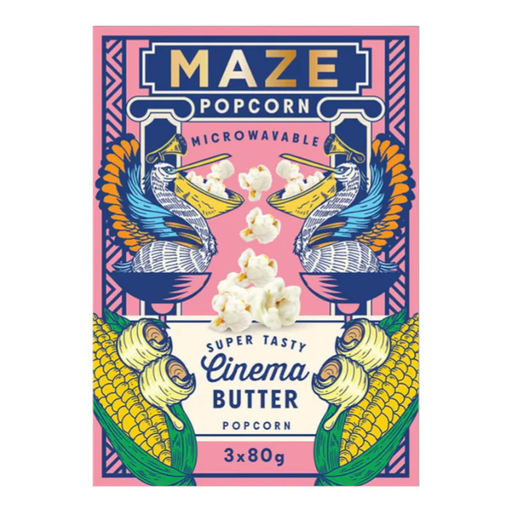 Image unavailable
A good fit if you’re looking for ready-to-eat popcorn with a cinema butter flavour for a film-night snack. The product description suggests it for movie nights.
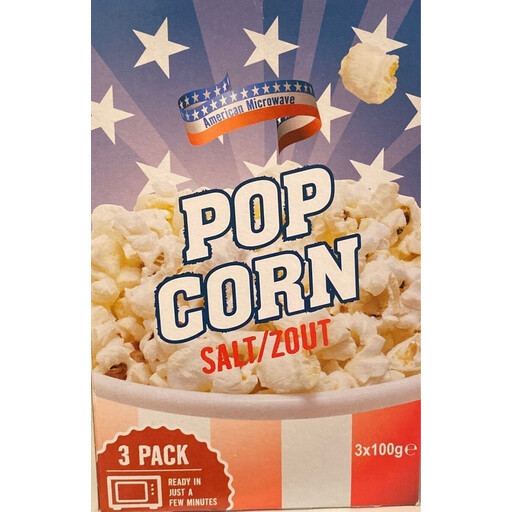 Image unavailable
A good fit if you want to make hot popcorn without preparing it in a pan yourself. The product information says it is made in the microwave, and the product name lists three 100 g packs.
Follow the preparation instructions on the packaging.
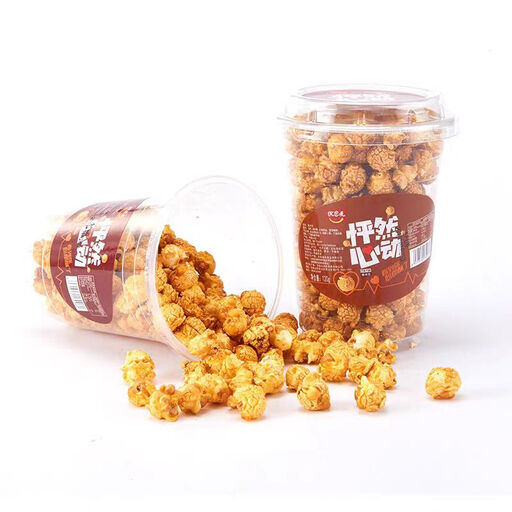 Image unavailable
A good fit if you’re looking for ready-to-eat caramel-flavour popcorn. The product information lists 502 kcal and 35 g of sugars per 100 g; consider these figures alongside the portion you eat.
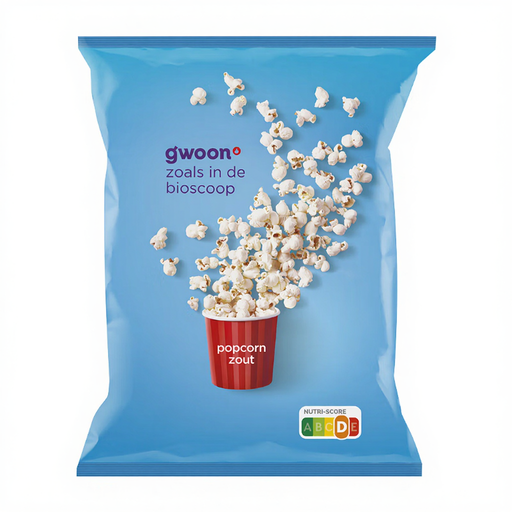 Image unavailable
A good fit if you’re looking for ready-to-eat salted popcorn. The product information lists 543 kcal per 100 g; weigh your portion to work out what that means for your snack.
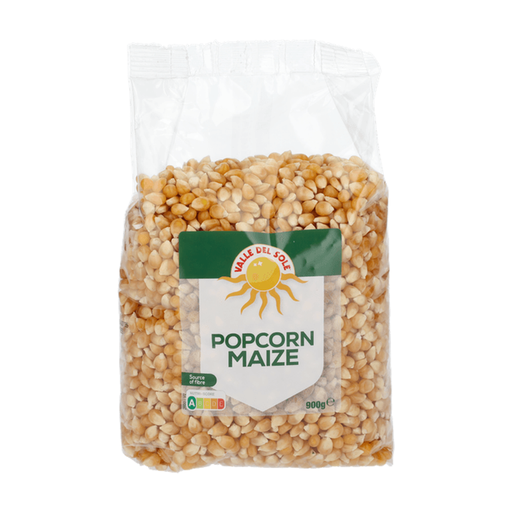 Image unavailable
A good fit if you want to pop your own popcorn and choose the flavourings. The product information lists 350 kcal per 100 g of dried kernels; this isn’t the value for the prepared popcorn.
The pan method described uses vegetable oil. Bear this addition in mind when assessing the nutritional value of your prepared snack.
No. A smaller portion doesn’t change the product’s nutrition claim. According to the European Commission, solid foods can only carry a ‘low energy’ claim if they contain no more than 40 kcal (170 kJ) per 100 g. A reduced-energy claim also requires at least a 30% reduction and a statement explaining what causes that reduction.
Not unless you include the preparation method in your calculation. The nutritional values for AH Organic Popcorn Kernels apply to dried kernels; the pan method described uses oil. When working out the values, take account of the kernels and any additions you use.
For AH Salted Popcorn and AH Sweet Popcorn, Albert Heijn recommends storing them in a cool, dark, dry place and closing the packaging securely after use. For other variants, follow the storage advice on that product’s packaging.
No. The Netherlands Nutrition Centre says your body needs more energy and nutrients than usual to produce breast milk. So consider a portion of popcorn as part of your overall diet; a snack with less energy isn’t automatically a better match for your needs.
Think of popcorn as a snack for yourself, not as baby food. The Netherlands Nutrition Centre lists popcorn among foods to take care with because of the risk of choking. Dutch guidance does not specify a particular safe age.