
Runners planning their snack breaks
You want to eat popcorn during your training period, but distinguish between an everyday snack and fuel for a long run. Timing, ingredients and what you personally tolerate all play a part.


Choose popcorn for home as a snack separate from the nutrition you plan for a long run. Compare the portion you actually eat, the nutrition information provided and how the product is packaged. When eating around exercise, what you can tolerate and a nutrition plan tried and tested in training matter more than the price of a pack alone.
You want to eat popcorn during your training period, but distinguish between an everyday snack and fuel for a long run. Timing, ingredients and what you personally tolerate all play a part.
You’re looking for supplies for several snack breaks and want to choose the quantity and toppings yourself. Popping corn is an option if making it at home fits your routine.
You want ready-to-eat popcorn or several separate occasions to prepare it. So don’t just look for the term ‘multipack’: check the net weight and how the product is divided between packs too.
First decide whether the popcorn is for a snack at home or part of what you eat around exercise. Then compare the portion, preparation and packaging.
| What to consider | What to look for | Who is this important for? |
|---|---|---|
| Timing and ingredients | Check the carbohydrates, fat and fibre per 100 g, then work out the figures for your portion. For a long run, follow a nutrition plan you’ve practised during training. | If you want to know whether popcorn suits a snack break or your plan for a long run, look beyond carbohydrates alone; around 36% of consumers prioritise when they eat it. |
| Overall cost | Compare products on the same basis. If you’re popping it yourself, factor in oil, any toppings and preparation too. | If you buy popcorn regularly, you’ll want to know what you’re paying for the amount you actually use; around 29% of consumers are primarily concerned about cost. |
| Stock and portions | Check the total amount and the number of individual packs. The portion shown on the label isn’t necessarily a whole bag. | If you want to plan your supplies around several snack breaks, check the quantity and how it’s packaged; around 21% of consumers focus mainly on stock and portions. |
| Ease of preparation | Check whether the popcorn is ready to eat or needs preparing. For microwave popcorn, follow the instructions for the exact variety. | If you want to spend as little time as possible preparing it or are looking for a regular microwave routine, convenience matters; around 14% of consumers prioritise ease of use. |
The amount of carbohydrates alone doesn’t tell you whether popcorn suits the occasion or how well you’ll tolerate it.
First decide whether you’re looking for a snack at home. For a long run, follow a nutrition plan you’ve practised during training.
The nutrition information for popping corn describes the product as sold, not necessarily the recipe you’ll end up eating.
Compare products in the same state, and if you’re making it yourself, allow for oil and any other toppings.
Popping it yourself also takes time and preparation; any toppings are part of your own recipe.
A pack containing 90 g bags and a 30 g serving on the label refer to different quantities.
Base your calculations on the amount you actually eat; the number of microwave bags isn’t a nutrition recommendation.
A party box may contain other snacks and items as well as popcorn. The total weight won’t tell you how much popcorn is inside.
Only compare popcorn products with a separately stated quantity and product information.
A mixed box may contain items that don’t suit your popcorn needs.
The product ranges reviewed include popping corn, ready-to-eat salted popcorn and salted microwave popcorn.
The own-brand varieties reviewed include ready-to-eat sweet and salted popcorn, as well as microwave popcorn in 3 x 90 g.
Snack Day Sea Salt Popcorn, 200 g, is a listed shop option for snacking at home.
SUN SNACKS Salted Popcorn, 100 g, is a listed option for a ready-to-eat snack.
These products suit different snacking occasions at home: ready-to-eat popcorn and varieties for separate preparation sessions.
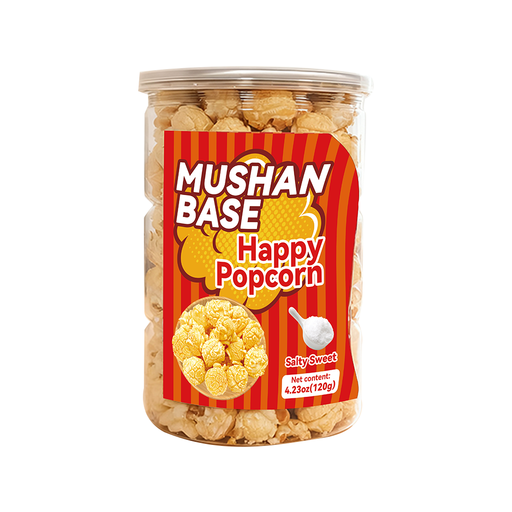 No image available
A ready-to-eat option for a snack break with no preparation required.
The product information gives nutrition values per 100 g. Contains soya and may contain gluten.
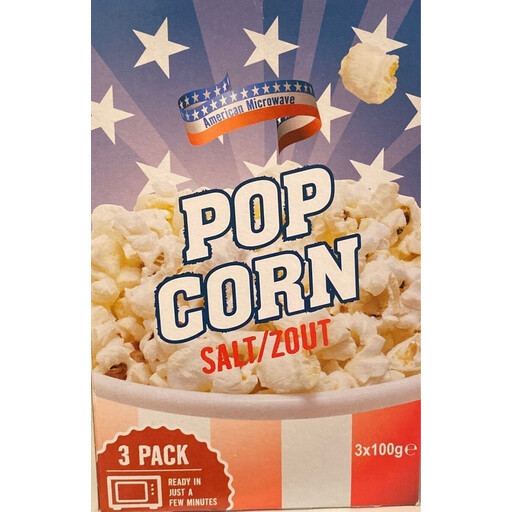 No image available
The three packs are handy if you want to plan several separate occasions to make popcorn at home.
The product information specifies microwave preparation. The bag may be hot and contain steam; open carefully.
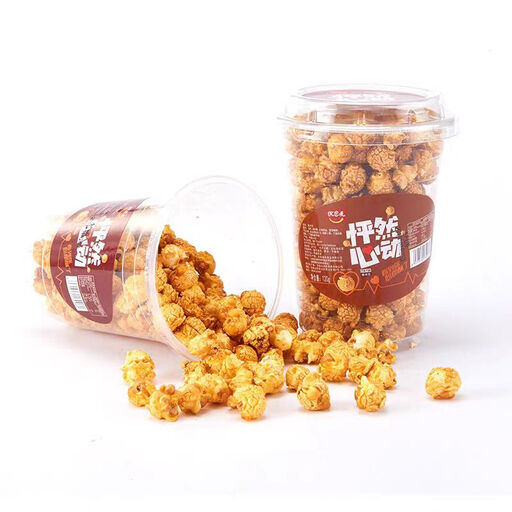 No image available
A ready-to-eat option if you’re looking for a snack that needs no preparation.
The product information gives the weight as 120 g. Contains soya.
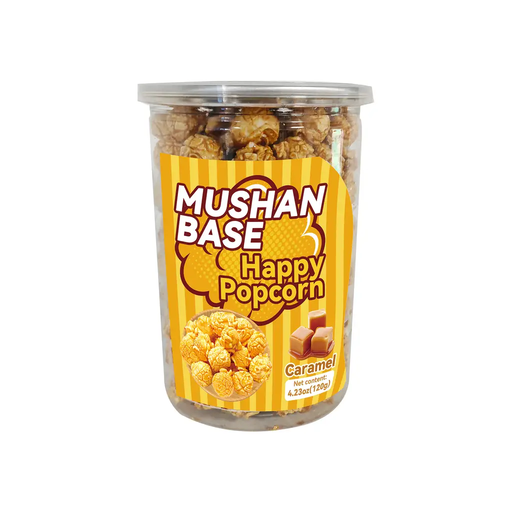 No image available
This ready-to-eat variety is ideal for a snack break with no further preparation.
The product information gives the individually packed portion as 120 g and lists soya as an allergen.
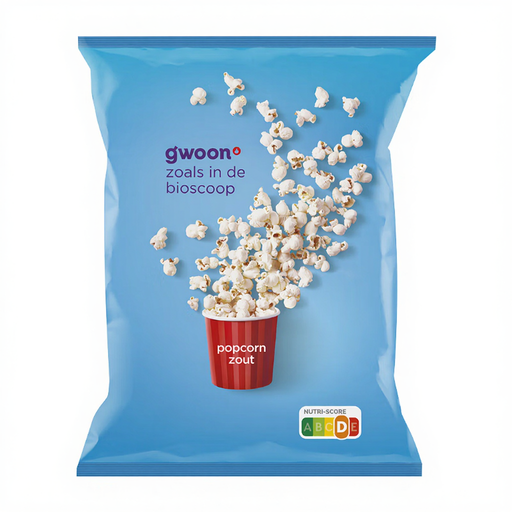 No image available
A salted popcorn option for a snack break with no preparation required.
The product name gives the pack size as 100 g.
Multiply the weight of your portion in grams by the amount of carbohydrates per 100 g, then divide by 100. For Jumbo Sweet Popcorn, 30 g at 83,9 g of carbohydrates per 100 g works out at around 25,2 g. This is a portion calculation, not personal advice for a long run.
Don’t try a new food choice for the first time just before a long run. Sports nutritionist Asker Jeukendrup advises testing food choices during training and avoiding excessive amounts of fibre, fat and protein before setting off. The packaging won’t tell you what amount you’ll be able to tolerate.
Follow the instructions for this specific variety: remove the plastic packaging, use the specified microwave power and stay by the microwave. Stop when there are 1–2 seconds between pops. The bag will be hot and may contain steam, so open it carefully.
Follow the instructions on the packaging for the exact product. For AH Salted Popcorn, the advice is to store it in a cool, dark and dry place and close the packaging securely after use.
Check the ingredients and allergen information on the exact packaging. AH Organic Popcorn kernels may contain cereals containing gluten, soya and wheat; Jumbo Sweet Popcorn may contain milk. Don’t rely on the name of the raw ingredient alone.