
Budget-conscious party planners
You want enough popcorn for your guests, and would rather compare pack sizes and the cost of using the product than rely on a special-offer sticker or supermarket name alone.


If you want to serve popcorn without any preparation, choose a ready-to-eat bag. A microwave multipack lets you prepare several portions separately, while loose popcorn kernels give you control over the quantity and flavour. Compare packs within the same preparation type, and factor in oil and seasonings if you’re popping your own. The largest pack isn’t automatically the best value for your party.
You want enough popcorn for your guests, and would rather compare pack sizes and the cost of using the product than rely on a special-offer sticker or supermarket name alone.
You’re looking for popcorn you can serve or take with you straight away, in a flavour your guests will enjoy. A larger quantity is only useful if you’ll use it.
You want to decide how much to make and which seasonings to use, and check the allergen information. A short ingredients list or an organic label doesn’t automatically make a product suitable for someone with an allergy.
| What to consider | What to look for when buying | Who is this important to? |
|---|---|---|
| Total cost | Start by comparing the same product type and flavour. If you’re popping your own, factor in oil and seasonings too. | When I’m planning popcorn for guests, I want to know how much usable popcorn I’ll get for my total spend. Around 36% of consumers prioritise the overall cost. |
| Preparation and convenience | Check whether you have the necessary equipment, and follow the pack instructions for microwave popcorn. | If I want to serve popcorn straight away without cooking equipment, ready-to-eat popcorn is a better fit. With a microwave, I can prepare portions separately. Around 29% of consumers prioritise convenience and immediate use. |
| Quantity and storage | Choose a pack size that suits the occasions when you plan to serve popcorn, and follow the storage instructions, including after opening. | If I’m serving popcorn alongside other snacks, I don’t want to be left with more than I can use. Around 21% of consumers want to match the quantity to how much they’ll actually use. |
| Ingredients and allergens | Read the ingredients list and allergen warning on the exact pack, and check any additions you choose yourself. | When I’m buying popcorn for guests, I want to take their ingredient preferences and allergies into account. Around 14% of consumers prioritise these checks. |
Dry popcorn kernels and ready-to-eat popcorn are different product types. Comparing their prices per kilo directly doesn’t account for preparation or any extra ingredients.
Compare like with like. If you’re popping your own, work out separately what the kernels, oil and chosen seasonings will cost for your preparation.
With loose popcorn kernels, remember to include preparation and any oil and seasonings you’ll use.
AH Organic Popcorn kernels may contain cereals containing gluten, soya and wheat. An organic label is no substitute for checking the allergen information.
Check the warning on the exact pack, and also look at the ingredients in any oil, toppings and other additions.
The Netherlands Nutrition Centre says that the best-before date applies while the pack is unopened; once opened, the storage time may be different.
Choose a quantity that suits the occasions when you plan to serve popcorn, and follow the pack instructions after opening.
The products described include AH Sweet Popcorn in a 200 g pack and AH Organic Popcorn kernels in a 500 g pack: a ready-to-eat option alongside kernels to pop yourself.
The options described offer a range of choices: ready-to-eat sweet popcorn, salted microwave popcorn in 3 x 90 g packs, and 500 g of loose popcorn kernels.
SUN SNACKS Salted popcorn is described as a ready-to-eat salted option in a 100 g bag.
Snack Day Sweet Popcorn is an option to consider if you’re looking for a sweet popcorn variety.
This selection includes packaged popcorn in sweet, sweet-and-salty, caramel and salted varieties, as well as a microwave multipack.
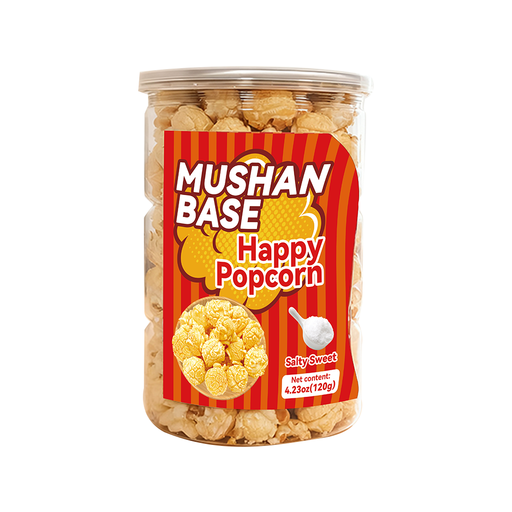 Image unavailable
A packaged sweet-and-salty popcorn option, ready to serve.
Pack size: 120 g. Contains soya and may contain gluten.
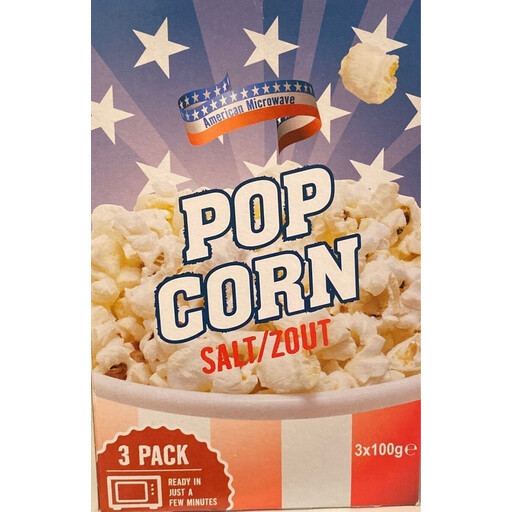 Image unavailable
A good choice if you want to prepare separate portions at home using a microwave.
Pack size: 3 x 100 g. The described preparation requires a microwave; the flavour is sweet and salty.
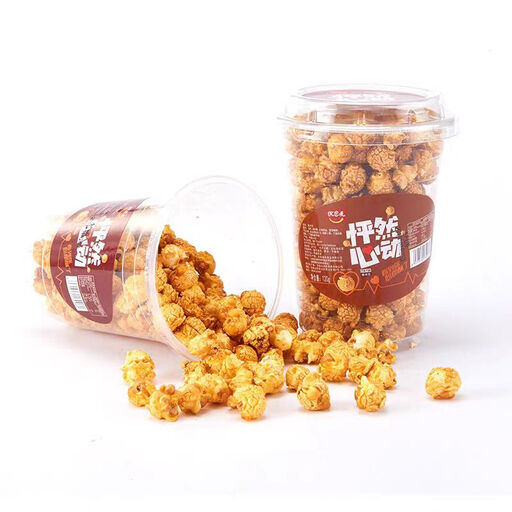 Image unavailable
A packaged caramel option for serving popcorn without having to pop it yourself.
Pack size: 120 g. Contains milk.
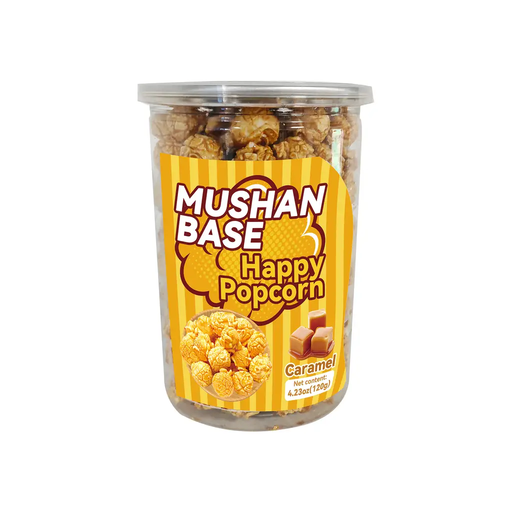 Image unavailable
A packaged caramel option for a snack without the need to pop it yourself.
Pack size: 120 g. Contains soya.
 Image unavailable
A salted popcorn option in a 100 g pack.
The ingredients list includes maize, sunflower oil and 1.5% salt.
First, work out how much ready-to-eat popcorn you want to serve alongside other snacks. Albert Heijn lists eight 25 g servings in a 200 g pack of AH Sweet Popcorn; use this as a guide for planning, not as a fixed amount per guest. The twenty 25 g servings listed for 500 g of AH popcorn kernels are based on dry maize, so they aren’t equivalent to twenty ready-to-eat portions.
Not without adult supervision: this warning applies to Jumbo Salted Microwave Popcorn 3 x 90 g. The product instructions also say not to restart preparation if it is interrupted. This guidance applies to this product; it isn’t a general legal age limit.
Include the oil and any seasonings you use in your preparation when comparing costs. The instructions for AH Organic Popcorn kernels describe popping them in a pan with oil, so the kernels alone don’t reflect the full cost of using the product.
Follow the storage instructions on the pack; there’s no universal storage time for opened popcorn. The Netherlands Nutrition Centre explains that the best-before date applies while the pack is unopened. For AH Organic Popcorn kernels, the advice is to store them in a cool, dark and dry place.
Check the ingredients list and allergen warning on the exact pack. Under EU labelling rules, allergens present must be emphasised in the ingredients list. The Netherlands Food and Consumer Product Safety Authority (NVWA) states that new rules for warnings about allergens that may be present unintentionally apply from 1 January 2026. An organic label is no substitute for checking this information.