Start with the specific substance you need to avoid: check the ingredients, the relevant dietary information and any warnings on the packaging, rather than relying on the product name alone. If you have a milk allergy, lactose-free does not mean it is suitable; HagaZiekenhuis points out that a lactose-free product can still contain milk protein. Then choose between ready-to-eat popcorn, microwave popcorn or popping it yourself, depending on the facilities available on holiday, and check all additional ingredients too.
Who is this guide for?
Gluten-free holiday shopping
You’re looking for popcorn that fits a gluten-free diet and want to distinguish a specific gluten-free claim or certification from a general product name. The Dutch Coeliac Association recommends the Crossed Grain symbol as a useful aid when reading labels.
Avoiding a specific allergen
You need to avoid something such as milk, peanuts or nuts, and want to check the ingredients and cross-contamination warnings. If you have a milk allergy, a lactose-free claim is not enough: HagaZiekenhuis points out that a lactose-free product can still contain milk protein.
Taking or making popcorn on holiday
You want to meet your dietary needs while keeping things practical: take a bag with you, make popcorn in a microwave or pop it yourself and choose your own additions. For the last option, you’ll need cooking facilities and should also check the ingredients in the oil and toppings.
What should you look for when buying?
Ready-to-eat popcorn
Choose this when: you want something to eat on the go without preparing it first, and the packaging meets your dietary needs.
Keep in mind: you’re choosing an existing recipe; a salty product name or supermarket brand does not prove that it’s suitable if you have an allergy.
Microwave popcorn
Choose this when: you have a microwave where you’re staying and the specific product packaging meets your dietary needs.
Keep in mind: you’ll need the right equipment and must follow the preparation instructions on the packaging.
Popping your own popcorn kernels
Choose this when: you have cooking facilities and want to choose your own oil and flavourings.
Keep in mind: popping it yourself doesn’t prove that the popcorn is free from an allergen; check the kernels, oil and toppings separately.
The Dutch Coeliac Association recommends the Crossed Grain symbol as a useful aid when reading labels. The Netherlands Food and Consumer Product Safety Authority (NVWA) explains the allergen information on packaging, while the Netherlands Nutrition Centre explains warnings about possible presence.
| What to consider |
What to check when buying |
Who should pay particular attention? |
| Gluten-free suitability |
Look for a relevant gluten-free claim or certification on the packaging, and read any warnings too. |
If eating gluten-free is my first requirement, I want clear, specific information on the label rather than relying on the fact that the product is made from maize. Around 36% of consumers say gluten-free suitability is their top priority when buying. |
| Avoiding the right substance |
Check the ingredients and warnings for the specific allergen; don’t treat lactose and milk protein as the same thing. |
If I need to avoid milk, peanuts or nuts, for example, I look for information about that specific substance rather than a general dietary claim. For around 29% of consumers, avoiding another allergen or lactose comes first. |
| Eating without preparation |
Check whether the product is ready to eat or requires equipment and preparation; read the instructions for microwave popcorn. |
If I want a snack on the go, I need to know whether I can eat the popcorn straight away. Around 21% of consumers say convenience without preparation is their top additional priority when buying. |
| Choosing your own additions |
Check the popcorn kernels, oil and each topping separately against your dietary needs. |
If I have cooking facilities and want to choose my own flavourings, I also check butter, cheese and other additions. Around 14% of consumers say having control over their own additions comes first. |
Common mistakes
-
Assuming a general free-from claim rules out all allergens
A claim about one substance doesn’t automatically tell you anything about other allergens. The European Commission explains that 14 allergens must be clearly identified when used as ingredients in food in the EU.
Base your choice on the specific substance you need to avoid, and read the ingredients and relevant warnings on the packaging.
-
Taking ‘lactose-free’ as proof that it’s suitable for a milk allergy
A lactose-free product can still contain milk protein; lactose and milk protein are not the same thing. HagaZiekenhuis makes this distinction in its information about lactose intolerance.
If you have a milk allergy, check the milk ingredients and relevant warnings separately from the lactose claim.
-
Adding a topping without checking everything again
Albert Heijn Allerhande describes a basic recipe using popcorn kernels and sunflower oil, as well as variations with ingredients such as butter or cheese. A topping changes the ingredients in the finished product.
Check each topping for the substance you need to avoid; don’t assume that the assessment for the plain popcorn still applies.
Popcorn brands to consider
Albert Heijn
Its product range includes AH Zoute popcorn and AH Biologisch Popcorn mais, for a regular bag or popping your own. Albert Heijn confirms these product names on its product pages.
- The product names distinguish between ready-to-eat popcorn and popcorn kernels for popping at home.
- The organic claim or product name alone doesn’t prove that a product is suitable if you have a specific allergy; Albert Heijn advises checking the packaging before eating.
Jumbo
Jumbo lists Popcorn Zout 100 g and Magnetron Popcorn Zout 3 x 90 g. The product information distinguishes between a regular bag and microwave preparation.
- The product names on Jumbo’s pages make it easy to identify the product type and pack details.
- The product names don’t prove that a product is suitable for a specific diet. For the microwave version listed, Jumbo says not to restart cooking if it has been interrupted.
Lidl
Lidl describes Snack Day as its own brand and lists popcorn in salty and sweet flavours. The Dutch product page lists Snack Day Popcorn zeezout in a 200 g pack.
- The sea salt variety listed has a specific pack size on Lidl Netherlands’ product page.
- The flavour name and brand don’t confirm that it’s suitable for your diet; check the current packaging against your specific needs.
ALDI
ALDI’s Dutch product page lists SUN SNACKS Zoute popcorn 100 g as a specific popcorn variety.
- The product name and pack size are listed on ALDI Netherlands’ product page.
- ‘Salted popcorn’ is not an allergen or gluten-free claim; check the packaging of the variety you buy.
Popcorn at Joybuy
This selection includes ready-to-eat popcorn and popcorn kernels for popping at home. Product names and descriptions don’t provide the same allergen information for every variety, so check the current packaging against your specific dietary needs.
 No image available
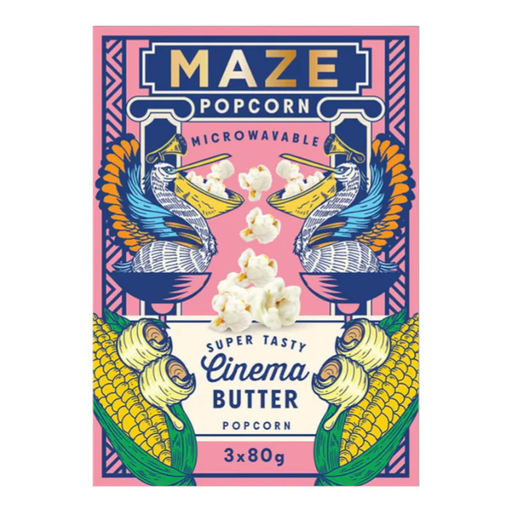
SNACK MAZE Cinema Butter Popcorn, 240 GR
The product name indicates cinema-style popcorn with butter; check the ingredients and warnings if you need to avoid a specific substance.
The product name lists the pack size as 240 GR.
View at Joybuy
 No image available
g'woon Salted Popcorn, 100 g
The product description says this salted popcorn does not contain any of the 14 major EU allergens; check the current packaging and the specific substance you need to avoid.
The product name lists salted popcorn in a 100 g pack.
View at Joybuy
 No image available
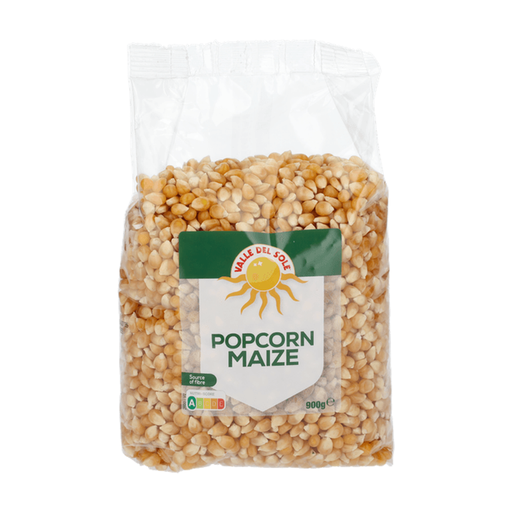
Valle Del Sole Popcorn Maize (Butterfly), 900 g
These popcorn kernels are designed for popping at home if you have a pan and heat source; check the kernels and any additions against your dietary needs.
The product name lists 900 g. The product description gives instructions for cooking in a pan and recommends vegetable oil.
Preparing it yourself requires a pan, oil and a heat source.
View at Joybuy
 No image available
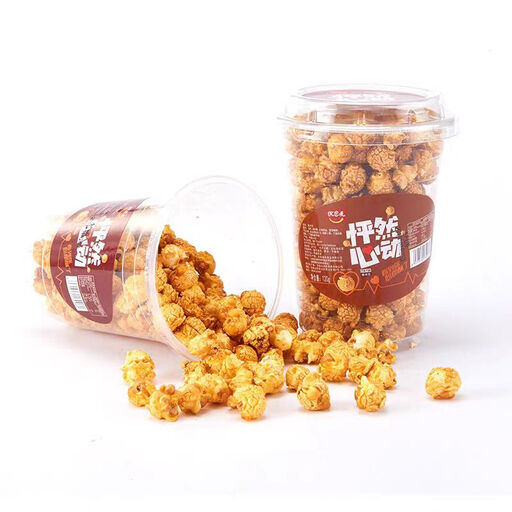
Yousmai Pengranxindong Popcorn (Caramel), 120 g
The product description identifies this caramel-flavoured variety as ready to eat. The ingredients and allergen information say that it contains butter (milk), so check carefully if you need to avoid milk.
The product name lists a pack size of 120 g.
View at Joybuy
Frequently asked questions
Is lactose-free popcorn suitable if you have a milk allergy?
Not necessarily. Lactose is milk sugar, whereas a milk allergy is a reaction to milk proteins. HagaZiekenhuis points out that a lactose-free product can still contain milk protein, so check the milk ingredients and relevant warnings on the packaging.
How can I identify popcorn that’s suitable for a gluten-free diet?
Read the packaging and look for a relevant gluten-free claim or certification. The Dutch Coeliac Association recommends the Crossed Grain symbol as a useful aid when reading labels; don’t rely on the product name alone or simply on the fact that it’s made from maize.
What does ‘may contain’ mean on packaging?
It’s a warning that an allergen may be present unintentionally, for example through cross-contamination. The Netherlands Nutrition Centre explains that the warning doesn’t mean every product actually contains the allergen. If you’re unsure about your sensitivity, ask a doctor or dietitian what the warning means for you.
How do you make popcorn without automatically adding butter?
Albert Heijn Allerhande’s basic recipe uses popcorn kernels and sunflower oil in a covered pan. Check the kernels and oil against your dietary needs and assess each topping separately; butter or cheese varieties change the ingredients.
Can you finish cooking microwave popcorn later if it has been interrupted?
Follow the instructions on the packaging for your product. For Jumbo Magnetron Popcorn Zout 3 x 90 g, Jumbo says not to restart cooking after an interruption.


