What should you look for in popcorn while studying?
Start with the nutritional information for the exact product and the amount you want to eat. Then compare the preparation method, flavour and packaging to find what suits your study breaks.
| What to consider |
What should you check? |
Who should pay particular attention? |
| Calories per portion |
Compare the kcal per 100 g for the same type of product, then work out the amount for your weighed portion. Albert Heijn lists 419 kcal per 100 g for its sweet popcorn and 543 kcal for the salty variety; Jumbo lists 481 kcal per 100 g for its salty popcorn. |
If your main concern while studying is how many calories are in your portion, weigh it instead of treating the whole bag as one portion. Around 40% of consumers put calories first. |
| Convenience |
Check whether the popcorn is ready to eat or requires a pan or microwave. Albert Heijn describes preparing popcorn kernels with oil; Jumbo provides preparation instructions for its microwave popcorn. |
If you don’t want to spend a short study break preparing food, choose an option that suits the equipment and time you have. Around 30% of consumers prioritise convenience. |
| Flavour and ingredients |
Read the nutrition table, ingredients and allergen information for the exact variety. Albert Heijn lists 45 g of sugars per 100 g for the sweet popcorn reviewed; Jumbo says its salty popcorn may contain milk. |
If flavour or ingredients matter most to you, compare the ingredients as well as the calories. Around 20% of consumers put flavour and ingredients first. |
| Packaging and cost |
Compare the price per unit and the number of portions you can get from the pack. Lidl lists a 200 g pack of Snack Day Sea Salt Popcorn, while Aldi lists a 100 g pack of SUN SNACKS Salted Popcorn; also follow the storage instructions on the packaging. |
If you want to know how much you’re spending per portion, keep the pack weight separate from the amount you eat. Around 10% of consumers prioritise cost per portion. |
Popcorn products at Joybuy
These products suit different popcorn preferences for study breaks, including ready-to-eat popcorn, microwave popcorn and kernels for making at home. Compare the product information with your preferred portion size and preparation method.
 No image available
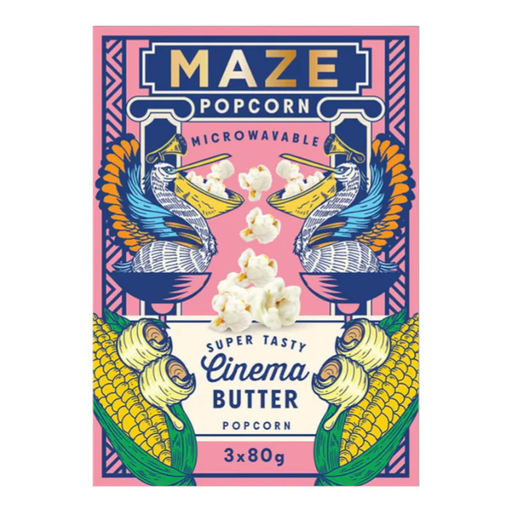
Snack Maze Cinema Butter popcorn, 240 g
The title describes popcorn with a cinema-style butter flavour; an option if that’s your favourite.
View at Joybuy
 No image available
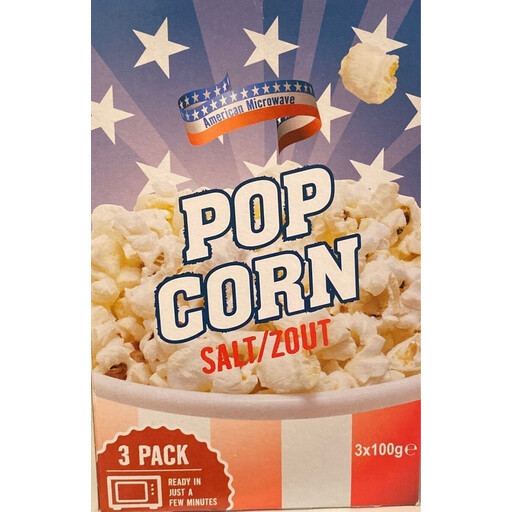
Pop Corn, 3 x 100 g
The product information specifies microwave preparation and 100 g bags. The stated nutritional value is 510 kcal per 100 g; work out how much that means for the amount you eat.
View at Joybuy
 No image available
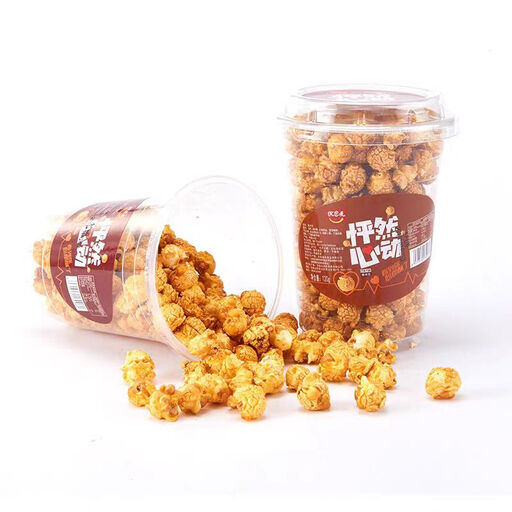
Yousmai Pengranxindong caramel-flavoured popcorn, 120 g
This ready-to-eat variety has a caramel flavour. The product information lists 502 kcal and 35 g of sugars per 100 g, and states that the product contains milk.
View at Joybuy
 No image available
g'woon salted popcorn, 100 g
The product information lists 543 kcal per 100 g and gives corn, sunflower oil and salt as ingredients. Use the nutritional value to calculate your weighed portion.
View at Joybuy
 No image available
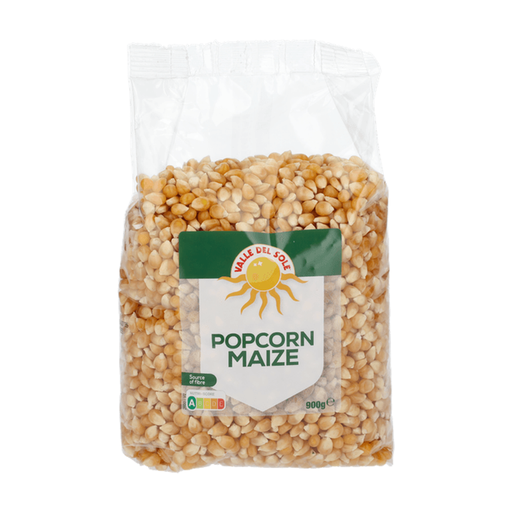
Valle Del Sole Butterfly popcorn kernels, 900 g
For making in a pan; the product information lists 350 kcal per 100 g of kernels and suggests preparing them with 2 tablespoons of vegetable oil. Remember to account for the oil separately when calculating the nutritional value of the finished snack.
View at Joybuy
Frequently asked questions
Can a small portion of popcorn be marketed as low in calories?
No. A small portion doesn’t automatically make a product low in calories. According to the European Commission, solid foods must contain no more than 40 kcal per 100 g to carry the ‘low energy’ claim; the products reviewed with known values are above this limit.
How do I compare the calories in popcorn?
First, compare the kcal per 100 g for the exact product, then work out the amount for an equal, weighed portion. Bear in mind that dried kernels can’t be compared directly with prepared popcorn if the oil and other additions haven’t been included.
Are popcorn kernels always suitable if I need to avoid gluten or milk?
Check the allergen information for the exact variety. Albert Heijn states that its organic popcorn kernels may contain cereals containing gluten, soya and wheat; Jumbo says its ready-to-eat salty popcorn may contain milk. This information doesn’t automatically apply to other popcorn products.
Can I finish preparing microwave popcorn later if I have to stop part-way through?
The product instructions for Jumbo Salted Microwave Popcorn say not to restart the cooking process if it has been interrupted. Read the full instructions on the packaging before you begin.
How do I compare the cost of ready-to-eat popcorn with making it myself?
Compare the current price per unit and base your calculation on the portion you’ll actually use. When making popcorn yourself, include the oil and seasonings you use in the total cost; if ordering online, check the delivery terms too.


