
Shopping for guests with food allergies
You want to choose popcorn based on the specific allergen a guest needs to avoid. Check the ingredients and warnings on the packaging; the NVWA explains Dutch allergen labelling requirements.


First, choose based on the ingredient a guest needs to avoid, then consider flavour and packaging. Albert Heijn lists the salted and sweet popcorn varieties reviewed as gluten-free and lactose-free; the caramel variety reviewed contains milk and lactose, while Jumbo says its sweet popcorn may contain milk. Check the packaging for the exact variety and serve suitable portions separately.
You want to choose popcorn based on the specific allergen a guest needs to avoid. Check the ingredients and warnings on the packaging; the NVWA explains Dutch allergen labelling requirements.
You’re looking for a suitable product claim and want to distinguish between gluten-free, lactose-free and avoiding milk proteins. The Albert Heijn products reviewed show that claims vary between varieties.
You want to prepare a suitable portion easily and serve it separately alongside other Christmas snacks. The Dutch Coeliac Society explains how crumbs can come into contact with a gluten-free product.
First establish what a guest needs to avoid, then check the product information and decide whether to buy ready-made popcorn or prepare it yourself.
| What to consider | What to look for | Who it matters to |
|---|---|---|
| Specific allergen | Read the ingredients and any warnings on the packaging for the exact variety. The NVWA explains allergen labelling. | When I’m shopping for a guest with a specific allergy, I check both the ingredients and the warnings; around 36% of consumers prioritise avoiding one specific allergen. |
| Gluten-free option | Check the gluten-free claim and, when serving, take care to avoid contact with crumbs from other snacks, as advised by the Dutch Coeliac Society. | When I need a clearly labelled gluten-free option, I also consider how it will be served separately; around 22% of consumers give a gluten-free option top priority. |
| Lactose and milk | Ask which restriction applies and check the information about both lactose and milk. The Voedingscentrum distinguishes between lactose intolerance and a reaction to milk proteins. | When a guest needs to avoid lactose, I want to distinguish this from a milk allergy; around 21% of consumers prioritise a lactose-free option. |
| Preparation and serving | Choose between ready-made popcorn and popping it yourself. Also check any additions and follow the storage instructions on the packaging. | When I’m organising several snacks for the party, I factor in preparation and serving separately; around 21% of consumers give practical preparation and serving top priority. |
A gluten-free claim alone doesn’t mean a product is suitable for people with other allergies. For example, the AH Popcorn Caramel reviewed contains milk and lactose.
Consider each dietary restriction separately by checking the ingredients and warnings on the packaging.
This may mean you need to provide a separate snack for a guest.
A vegan label doesn’t replace allergen information. The Dutch Vegetarian Association notes that the V-Label is not an allergen declaration.
Alongside a vegan label, read the ingredients and any warnings about possible unintentional presence of allergens.
Crumbs containing gluten can get onto a product labelled gluten-free while it’s being served. The Dutch Coeliac Society describes this risk of cross-contamination.
Keep the portion separate and use separate serving utensils.
A mixed bowl may no longer be suitable for the guest it was intended for.
The own-brand products reviewed include salted, sweet and caramel popcorn, with different claims for each product.
Jumbo lists both ready-to-eat sweet popcorn and popping corn to prepare at home.
Lidl lists both salted and sweet popcorn under its Snack Day own-brand range.
ALDI lists SUN SNACKS Salted Popcorn 100 g as ready-to-eat salted popcorn.
The products listed below include ready-to-eat salted, sweet and caramel popcorn, as well as popping corn to prepare at home. Check each pack to make sure the ingredients and allergen information meet your guests’ needs.
 Image unavailable
A ready-to-eat popcorn option with cinema butter flavour for your party table. Check the packaging for ingredients and allergen information.
 Image unavailable
A ready-to-eat salted option for anyone looking for a savoury popcorn flavour. Check the product packaging for information relevant to your dietary needs.
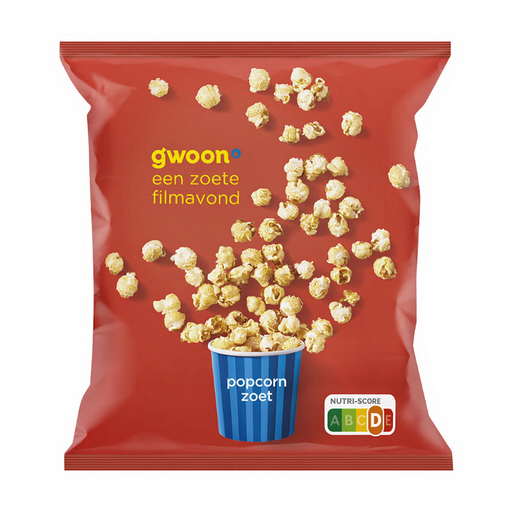 Image unavailable
A ready-to-eat sweet option for your snack table. Check the ingredients and warnings on the packaging before serving it to guests.
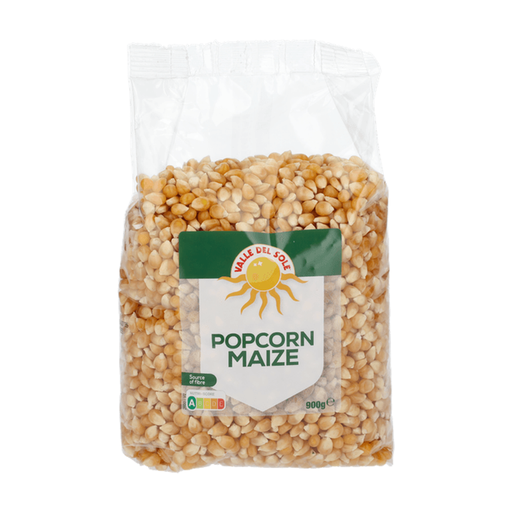 Image unavailable
This popcorn maize is intended for popping at home, so you can choose what to add. You’ll need oil to prepare it, so check that against your guests’ dietary needs too.
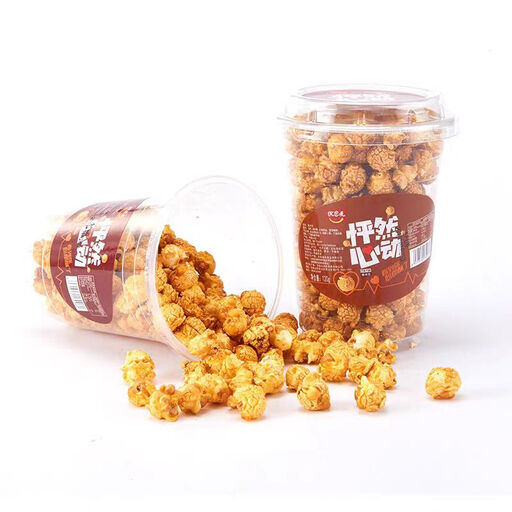 Image unavailable
This caramel variety isn’t suitable for guests who need to avoid milk; the product information lists milk as an allergen.
No. Lactose intolerance relates to milk sugar, whereas cow’s milk allergy is a reaction to milk proteins. If someone has a milk allergy, don’t rely solely on a lactose-free claim.
The warning indicates that milk may be unintentionally present. The NVWA states that, since 1 January 2026, rules have applied to the evidence behind and wording of these warnings. Permitted phrases include ‘May contain X’ and ‘Not suitable for people with an X allergy’.
According to the NVWA, mandatory labelling applies to 14 allergens. These must be listed in the ingredients; if there is no ingredients list, a ‘contains’ statement must generally appear next to the product name.
Keep a suitable portion separate and prevent contact with things such as crumbs containing gluten. A separate bowl and serving utensils are practical ways to limit contact with other snacks. Keep the packaging so you can check the product information again.
No. Check the oil and flavourings you add too. In its popcorn recipe, the Voedingscentrum warns that it can’t guarantee the ingredients used are free from allergens.