Who is this guide for?

Parents who need to avoid an allergen

If you’re looking for popcorn that’s suitable for a diagnosed food allergy, check the ingredients and warnings for the specific substance. The NVWA explains which allergens must be listed on the label, so it’s important to check the exact product.

Families who eat gluten-free

For coeliac disease, it’s important to distinguish a gluten-free statement from a product that only appears gluten-free based on its ingredients. The Dutch Coeliac Association advises checking the ingredients list carefully for the latter group.

Parents taking snacks out or sharing them

If you’re taking popcorn with you or sharing it with several children, dietary needs, the preparation method and the occasion all matter. Voedingscentrum also lists popcorn among foods that can pose a choking risk for children.

What should you look for when choosing?

Ready-to-eat popcorn

Choose this when: you want to take popcorn with you or share it without having to prepare it at snack time.

Consider: you’re choosing an existing recipe, so check the packaging of the product you’re sharing.

Microwave popcorn

Choose this when: you want to make popcorn at home using a pre-packed microwave variety.

Consider: you’ll need a microwave and time to prepare it. Follow the instructions on the specific pack.

Popcorn kernels to pop yourself

Choose this when: you want to decide for yourself which extras to add.

Consider: you’ll need to prepare it yourself and check the labels on any oil, seasoning or other extras.

What to consider What to look for Who it’s most relevant for
Specific allergen Read the ingredients list and warnings for the substance you need to avoid. The NVWA explains that 14 allergens must be listed; this list doesn’t cover every possible individual allergy. If I’m choosing popcorn for someone with, for example, a milk, peanut or nut allergy, I want to check the exact product. Around 33% of consumers prioritise avoiding a specific allergen.
Gluten-free Check for a gluten-free statement or relevant certification, the ingredients and any warnings. The Dutch Coeliac Association distinguishes between a gluten-free claim and an assessment based on ingredients. If I have coeliac disease, I want to be able to check whether the popcorn meets my gluten-free needs. Around 25% of consumers make gluten-free their top buying priority.
Children and eating situations Consider whether popcorn is suitable for the child and the situation. Voedingscentrum advises children to sit still and be supervised while eating. When I’m choosing popcorn for a child, the eating situation matters more to me than flavour or convenience. Around 17% of consumers prioritise children’s safety.
Preparation method Choose between ready-to-eat, microwave or home-popped popcorn based on the occasion, the time available and the packaging. The preparation method alone says nothing about whether a product is suitable for a particular diet. Once the dietary and safety requirements are met, I want a format that suits taking it out, sharing it or preparing it at home. Around 17% of consumers prioritise ease of preparation.
Nutritional values Compare sugars, salt, fat and energy per 100 g; Voedingscentrum recommends using the same basis when comparing products. When several varieties meet my essential dietary requirements, I want to compare their nutritional values. Around 8% of consumers prioritise this comparison.

Common pitfalls

  • Assuming free-from means free from all allergens

    The information on the label needs to cover the specific substance you want to avoid. The NVWA explains that information must be provided about 14 allergens, but individual food allergies can involve other substances too.

    Check the full ingredients list and any warnings for the specific allergen in question.

  • Confusing lactose-free with suitable for a cow’s milk allergy

    Lactose and cow’s milk protein are not the same thing. HagaZiekenhuis gives Dutch hard cheese as an example of a lactose-free product that still contains cow’s milk protein.

    Don’t rely on a lactose-free claim instead of checking for milk and cow’s milk protein.

  • Assuming a suitable label means it’s completely safe for children

    Voedingscentrum lists popcorn among foods that can pose a choking risk for children. This warning is separate from allergen information.

    Make sure children sit still while eating, and stay close by.

  • Comparing pack sizes or free-from claims as if they were nutritional values

    Comparing products by the bag can be misleading if the packs contain different quantities. A dietary claim also doesn’t tell you how much sugar, salt or fat a product contains.

    Compare the nutritional values per 100 g, then consider how much you’ll actually be sharing.

Brands to consider

These brands offer popcorn products or formats that could suit taking out, preparing at home or popping yourself. A brand name, flavour or preparation method alone doesn’t confirm that a product is suitable for a specific dietary need.

Albert Heijn

Albert Heijn lists salted popcorn that’s ready to eat, as well as organic popcorn kernels for popping at home.

  • The official product pages distinguish between ready-to-eat popcorn and popcorn kernels.
  • Albert Heijn advises reading the packaging before eating. Organic certification alone doesn’t prove that a product is suitable for a particular diet.

Jumbo

Jumbo lists salted popcorn in both a ready-to-eat variety and a microwave version.

  • The official product information distinguishes between the preparation methods.
  • The instructions for Jumbo Microwave Popcorn Salt 3 x 90 g say not to restart cooking if it has been interrupted; this applies to that product only.

Lidl

Lidl lists both sweet and salted popcorn in its Snack Day range; one product page features 200 g of sea salt popcorn.

  • The range information includes two flavour options.
  • The product page says it’s sold in store. This doesn’t confirm stock at a specific branch or suitability for a particular diet.

Aldi

ALDI lists Sun Snacks Salted Popcorn in a 100 g pack.

  • The product information gives the specific flavour and pack size.
  • The flavour and pack size don’t confirm that it’s free from any particular ingredient; check the ingredients and warnings on the product you choose.

Popcorn at Joybuy

The Joybuy products below include microwave popcorn, ready-to-eat popcorn and popcorn kernels to pop yourself. Always check the label of the specific product when choosing popcorn for a particular diet.
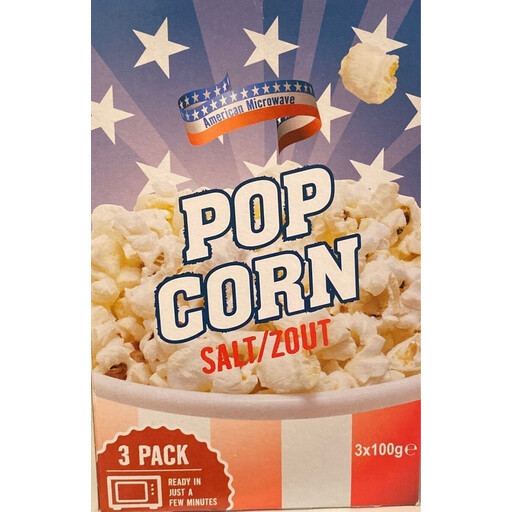
Pop Corn 3 x 100 g

Pop Corn, 3 x 100 g

An option for making popcorn at home in the microwave. The pack contains three 100 g bags. Follow the instructions on the pack and check the label for your dietary needs.

View at Joybuy
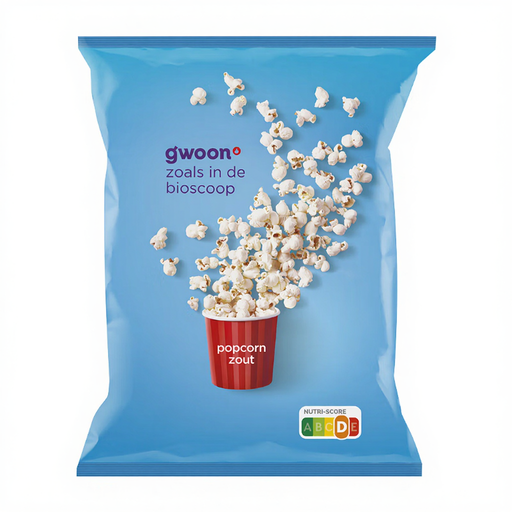
g'woon salted popcorn, 100 g

g'woon salted popcorn, 100 g

A ready-to-eat salted variety in a 100 g pack. Before choosing it for a specific dietary need, check the ingredients and warnings on the current packaging.

View at Joybuy
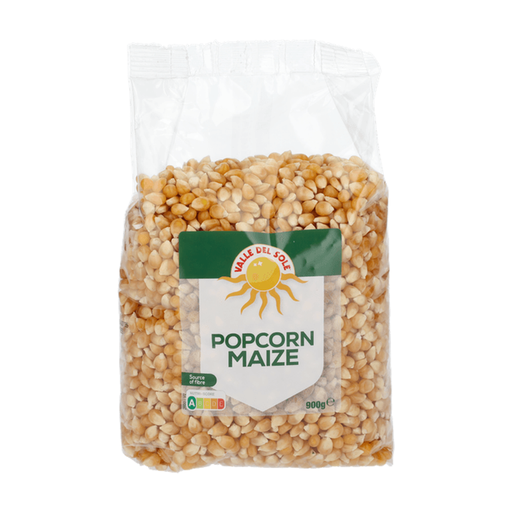
Valle Del Sole Popcorn Maize (Butterfly), 900 g

Valle Del Sole Popcorn Maize (Butterfly), 900 g

For anyone who wants to pop their own popcorn; the product information describes cooking it in a pan with oil. The pack contains 900 g of popcorn kernels. Remember to check the labels on any extras too.

View at Joybuy
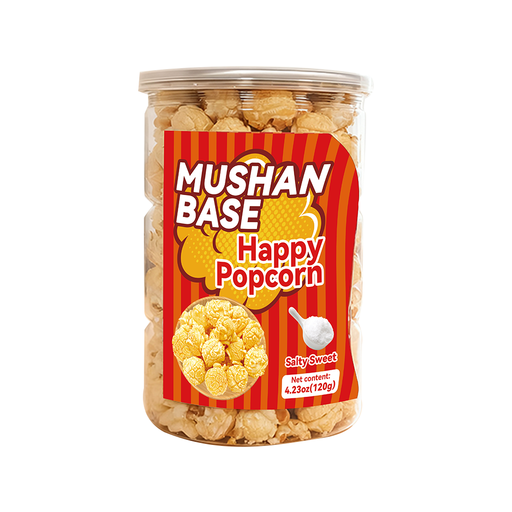
MUSHAN BASE Popcorn Sweet Salty Flavor, 120 g

MUSHAN BASE Popcorn Sweet Salty Flavor, 120 g

A ready-to-eat sweet and salty variety in a 120 g pack. The product information mentions soya and possible gluten; check the current label carefully if you need to avoid these ingredients.

View at Joybuy

Frequently asked questions

Is lactose-free popcorn automatically suitable for someone with a cow’s milk allergy?

No. Lactose and cow’s milk protein are different substances. HagaZiekenhuis gives examples of products that are lactose-free but still contain cow’s milk protein. So check the ingredients and relevant milk warnings, rather than relying on a lactose-free claim alone.

How do you assess popcorn without a gluten-free claim?

Read the ingredients list and any cross-contamination information. The Dutch Coeliac Association distinguishes products that are gluten-free based on their ingredients from those carrying a gluten-free statement. Check the specific product and don’t confuse these categories.

What changed on 1 January 2026 for cross-contamination warnings?

Since 1 January 2026, new rules have applied in the Netherlands for warnings about possible cross-contamination with allergens. The NVWA explains that these warnings must be based on a risk assessment, and that previously packaged stock may still be sold under certain conditions, provided the food is not unsafe.

What should you consider when giving popcorn to children?

Voedingscentrum lists popcorn as a food that can pose a choking risk for children. Make sure children sit still and stay nearby while they’re eating; this advice does not set a universal legal minimum age.

Can you restart cooking Jumbo Microwave Popcorn if it has been interrupted?

No. The manufacturer says not to restart cooking Jumbo Microwave Popcorn Salt 3 x 90 g after an interruption. For other varieties, follow the instructions on their own packaging.
