
Picnickers who watch their portions
You want to take popcorn with you and know in advance how much energy your portion contains. Compare the same quantity, and divide a larger bag into portions before you start snacking.


Choose popcorn based on how much you’ll actually eat, not just the flavour name. Popping it yourself gives you control over what you add, while ready-to-eat popcorn takes less preparation. For both, compare the nutritional information on the same basis, and consider sugar, fat and storage instructions separately.
You want to take popcorn with you and know in advance how much energy your portion contains. Compare the same quantity, and divide a larger bag into portions before you start snacking.
You make popcorn at home and want to choose the oil and flavourings yourself, such as spices or cinnamon. If you use loose popcorn kernels, remember to include any additions in your calculations.
You don’t want to have to make popcorn in the park. Ready-to-eat popcorn, or popcorn prepared at home beforehand, could suit your plans; follow the product’s storage instructions.
First decide how much popcorn you want to take with you, then compare the nutritional information for that amount. Next, choose whether you want to pop it yourself, prepare it at home or take a ready-to-eat option.
| What to consider | What should you check? | Who is this important for? |
|---|---|---|
| Energy in your portion | Check the kcal per 100 g for the exact variety, weigh your portion and calculate its energy based on the number of grams you eat. | If I want to weigh my portion in advance, I focus on how much I’m actually taking with me; around 39% of consumers prioritise the energy in their portion. |
| Sugar, oil and flavourings | Compare sugar and fat per 100 g, and include all the additions you use when preparing it yourself. | If I want to choose which oil or flavourings to use, I check the ingredients and nutritional information; around 23% of consumers put this choice first. |
| Preparation before you leave | Check whether the popcorn is ready to eat or needs to be prepared. For microwave popcorn, follow the instructions on the packaging. | If I want to keep preparation to a minimum before leaving, I choose an option that suits my plans; around 23% of consumers prioritise convenience when it comes to preparation. |
| Taking it with you and storage | Follow the storage instructions, reseal the packaging after use and check whether the best-before information applies to an unopened pack. | If I want to divide a bag into portions and store any leftovers, I check the packaging and storage advice; around 15% of consumers prioritise careful transport and storage. |
The flavour name doesn’t tell you how much energy the exact variety contains. Nutritional values vary by product; sugar, fat and energy are also separate figures.
Compare the nutritional information for the exact products, using the same quantity as your basis.
The amount in a pack and the portion shown on the label may differ. For example, Albert Heijn lists a 25 g portion for AH Zoute popcorn in a 100 g bag.
Weigh the amount you want to take with you and calculate its energy using the nutritional information per 100 g.
Loose kernels still need to be prepared. The amount of oil and any flavourings you add will change the composition of the popcorn you eventually eat.
Compare the same quantity of ready-to-eat popcorn and include the ingredients you actually use.
A best-before date applies to an unopened pack. Once opened, the product’s storage instructions are important.
Seal the bag carefully after use and follow the instructions on the packaging. The Voedingscentrum explains that a best-before date relates to quality; a use-by date means something different.
The range reviewed includes loose popcorn kernels and ready-to-eat salted and sweet popcorn, offering options for different preparation and flavour preferences.
The products reviewed include ready-to-eat salted popcorn and popcorn for microwave preparation.
According to Lidl, Snack Day includes sweet and salted popcorn; the sea salt variety reviewed is ready to eat.
The Dutch product page describes Sun Snacks Zoute popcorn as ready-to-eat popcorn.
These product picks include ready-to-eat popcorn and popcorn you can prepare at home before you leave.
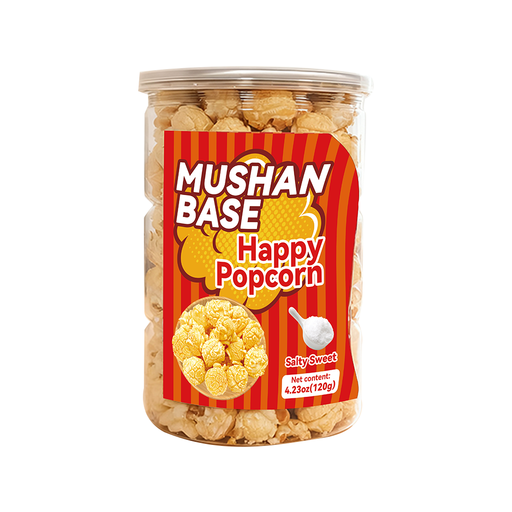 No image available
This sweet and salty variety could be a good choice if you want to take popcorn to your picnic without having to prepare it. Weigh your portion and check the nutritional information on the packaging.
According to the product information, this variety contains soya.
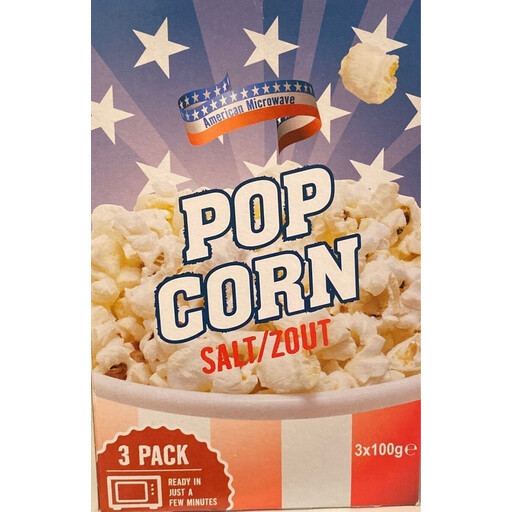 No image available
This microwave variety is a good option if you want to prepare the popcorn at home before you leave; follow the preparation instructions on the packaging.
Pack size: 3 x 100 g. Weigh the amount you’re taking with you and check the nutritional information for the prepared popcorn on the packaging.
A small portion doesn’t make the product itself low in calories. For a commercial nutrition claim meaning ‘low energy’, solid foods must contain no more than 40 kcal (170 kJ) per 100 g, according to the European Commission. So describe the energy in a weighed portion as portion information, not as a claim about the product.
Add up the energy from all the ingredients you use and divide it by the number of portions you actually eat. Check whether the nutritional information applies to the product before or after preparation, and don’t compare these two figures directly.
Follow the instructions on the exact packaging and prepare the popcorn before you leave. Jumbo warns that its Magnetron Popcorn Zout should only be prepared by children under supervision, and that you shouldn’t restart the preparation after an interruption; these are the manufacturer’s instructions.
A best-before date applies to an unopened pack and relates to quality. Once opened, follow the product’s storage instructions; a use-by date means something different and relates to safety. The Voedingscentrum explains this distinction in its guidance on date labels.
No. Check the ingredients and allergen information for the exact variety and the current packaging. Jumbo Popcorn Zout 100 g states that it may contain milk; also check the ingredients in any oil or flavourings you add yourself.