What should you look for when buying?
Start with the allergen you need to avoid, then consider dietary claims and convenience. The percentages offer a general indication of what consumers in this situation prioritise when buying.
| What to consider |
What to look for |
Who is this important for? |
| Ingredients |
Read the full ingredients list and check which allergens are highlighted on the current packaging. |
If you avoid a particular allergen, you’ll want to check whether it is part of the recipe. Around 34% of consumers prioritise identifying the allergen as an ingredient. |
| Cross-contamination |
Also check for warnings about the possible unintended presence of the allergen you need to avoid. |
If traces matter to you too, check the warning on the exact product as well as the ingredients. Around 33% of consumers prioritise this check. |
| What claims mean |
Look for the claim that matches your needs, and assess other allergens separately. |
If you’re choosing a product because it is gluten-free, lactose-free or vegan, you’ll want to know what that claim does and doesn’t tell you. Around 20% of consumers make understanding a dietary claim their first priority. |
| Preparation and storage |
Check whether the popcorn is ready to eat or needs to be prepared, and read the storage advice. |
If you’re looking for a snack to eat straight away or prefer to heat it first, check the instructions for that specific product on the packaging. Around 13% of consumers prioritise practical convenience. |
Popcorn at Joybuy
These products are ready-to-eat popcorn. Before buying, check the latest product information and packaging for the specific allergen you need to avoid and any risk of cross-contamination.
 No image available
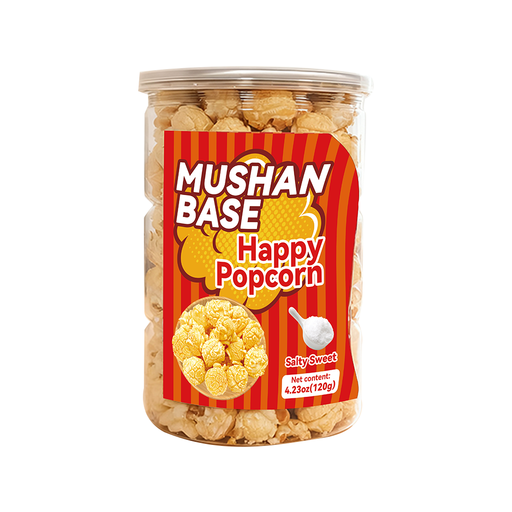
MUSHAN BASE Popcorn Sweet Salty Flavor 120g
An option if you’re looking for a ready-to-eat snack and want to check the allergens listed.
The product information lists soya and states that the product may contain gluten.
Joybuy
 No image available
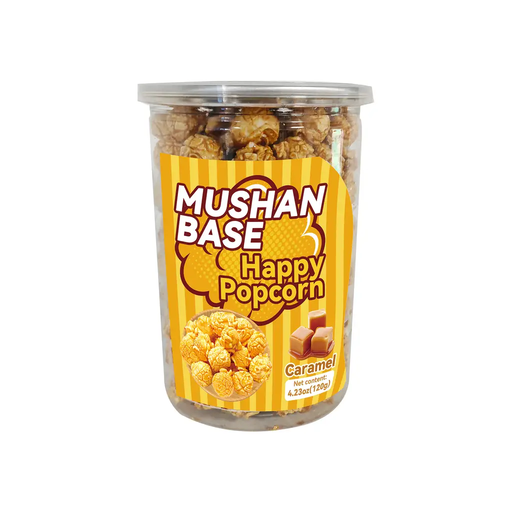
MUSHAN BASE Caramel Popcorn 120g
This ready-to-eat option could suit you if you’re looking for caramel popcorn to enjoy straight away.
The product information lists soya as an allergen.
Joybuy
 No image available
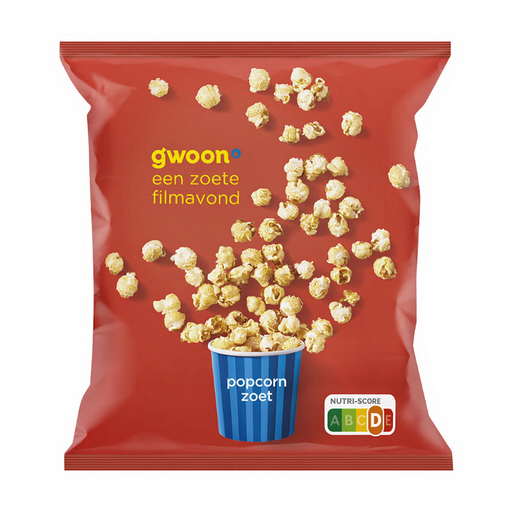
g'woon Sweet Popcorn 175g
A ready-to-eat sweet option to consider if you want to check the allergen information before buying.
The product information states that it does not contain any of the 14 major EU allergens. For your own circumstances, also check the current packaging and information about possible cross-contamination.
Joybuy
Frequently asked questions
Is lactose-free popcorn automatically suitable for someone with a cow’s milk allergy?
No. Lactose intolerance relates to milk sugar, while a cow’s milk allergy involves milk proteins. The Netherlands Nutrition Centre explains the difference. If you have a milk allergy, check the ingredients and warnings about cross-contamination with milk too.
Why should I read the cross-contamination warning as well as the ingredients?
An allergen may be present unintentionally without being listed as an ingredient. The NVWA describes cross-contamination warnings as information about this risk. Check the warning on the exact product as well as the ingredients list.
Does gluten-free mean popcorn is free from all allergens?
No. The gluten-free claim relates to gluten, not to all possible allergens. The European Commission sets out the conditions for this claim; also check the ingredients and warnings for any allergens you need to avoid.
Which cross-contamination warnings apply in the Netherlands?
New rules on allergen precautionary measures and warnings have applied in the Netherlands since 1 January 2026. The NVWA explains that such warnings must be based on a risk assessment. So check the statement on the packaging of the specific popcorn product.
What should I do if the online allergen information differs from the packaging?
Check the current packaging and, if anything is unclear, ask the retailer or manufacturer for clarification. Product and allergen information can change, so don’t base your choice solely on information about an earlier pack or a different product.


