
People keeping an eye on fat
You want to choose based on fat content, so you compare products’ nutritional values on the same basis. The European Union explains that the nutritional information on packaging relates to the product as sold.


Start by comparing the fat and energy content per 100 g, then decide how much you want to serve. A flavour name or small portion doesn’t prove that a product is low in fat. The European Commission’s DG SANTE sets a maximum of 3 g of fat per 100 g for a ‘low-fat’ claim on solid foods. Then choose a preparation method that suits how much effort you want to put into your Father’s Day treat.
You want to choose based on fat content, so you compare products’ nutritional values on the same basis. The European Union explains that the nutritional information on packaging relates to the product as sold.
You decide how much preparation suits you: serve a ready-to-eat bag, prepare microwave popcorn or pop the kernels yourself. Official product listings from Jumbo show these different product formats.
You want to decide in advance how much popcorn to serve. The Voedingscentrum gives nutritional values for a 40 g bowl; this is a general portion for calculation purposes, not a recommendation or a value that applies to every branded product.
Best for: serving popcorn without popping it yourself.
Consider: compare the nutritional information for the exact variety; salt or sea salt tells you nothing about its fat content.
Best for: popping it yourself using packaging designed for the purpose.
Consider: follow the product instructions. Jumbo warns that if you interrupt the cooking of its microwave popcorn, you should not restart it.
Best for: preparing the kernels yourself and choosing your own additions.
Consider: you’ll need to organise the preparation yourself. Don’t compare dry kernels directly with prepared popcorn without accounting for the basis used for the nutritional information and any additions.
| What to consider | What to look for | Who it’s for |
|---|---|---|
| Fat content | Compare fat in g per 100 g on the same basis. For a ‘low-fat’ claim on solid foods, the maximum is 3 g per 100 g, according to the European Commission’s DG SANTE. | If I’m choosing a product because I want less fat, I check the nutritional information for the exact variety. Around 38% of consumers demonstrably make lower fat their top priority. |
| Energy and portion size | Check energy separately from fat and decide how many grams you’ll serve. For a general 40 g bowl of popcorn, the Voedingscentrum gives values of 154 kcal and 1.6 g of fat; these figures don’t automatically apply to branded products. | If I want to tailor the amount to my snack, I look at both the portion in grams and the nutritional values. Around 23% of consumers put energy and the amount served first. |
| Preparation method | Choose between serving it straight away, preparing a microwave pack or popping loose kernels yourself. For microwave popcorn, follow the instructions for the specific pack. | If I want to keep preparation to a minimum, I choose something I can serve straight away. If I’d rather prepare it myself, I allow for the extra steps. Around 23% of consumers put convenience first. |
| Flavour and labelling | A sweet or savoury variety name tells you nothing about fat, energy or allergens. Check the ingredients list and allergen information on the label of the exact pack. | If I’m choosing a flavour for my dad, I also check the ingredients and any allergens. Around 16% of consumers make flavour their top priority. |
Portion size and nutritional values per 100 g are different things. For solid foods, the ‘low-fat’ claim has a limit per 100 g.
Compare the nutritional values per 100 g first, then work out how much fat is in the amount you’ll serve.
Nutritional values may relate to the product as sold or to its prepared form. Comparing products on different bases can be misleading.
Check which state the nutritional table refers to and take the preparation method into account.
If you pop it yourself, any additions will affect what you ultimately serve.
Croky’s range page lists products including crisps and Pop’d potatoes. A category name doesn’t prove that a particular product is popcorn.
Check the product name and description before including a snack in a popcorn comparison.
Albert Heijn lists ready-to-eat salted and sweet popcorn as separate varieties.
Jumbo’s official product listings include ready-to-eat salted popcorn, microwave popcorn and dried popcorn kernels.
Lidl lists Snack Day Sea Salt Popcorn in a 200 g pack.
ALDI lists Sun Snacks Salted Popcorn in a 100 g pack.
The products below include ready-to-eat popcorn varieties and kernels for popping at home. Use them as a starting point for comparing flavour and convenience, then compare fat and energy per 100 g using the nutritional information for the exact variety.
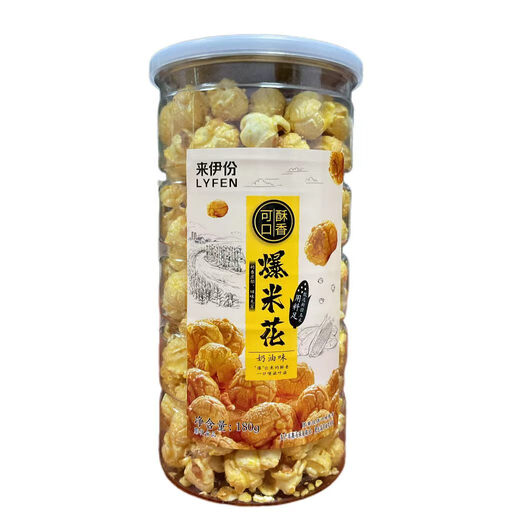 No image available
A good choice if you want to serve ready-to-eat popcorn. The product information gives the fat and energy values per 100 g.
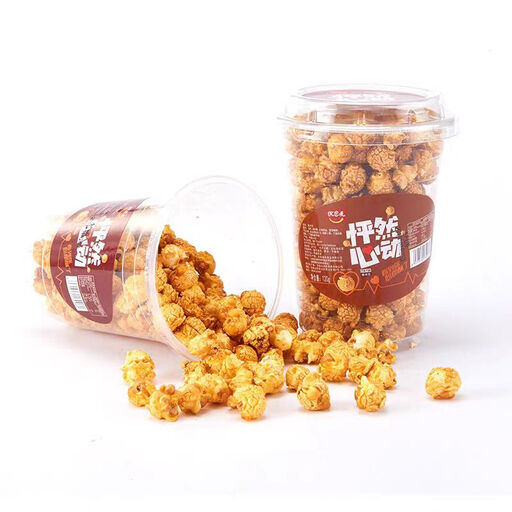 No image available
The product description says this popcorn is ready to eat and gives the fat and energy values per 100 g.
 No image available
The product description says this is ready-to-eat popcorn, so you can serve it without popping it yourself.
 No image available
A salted popcorn variety for anyone who enjoys that flavour; the product name alone doesn’t tell you about its fat or energy content.
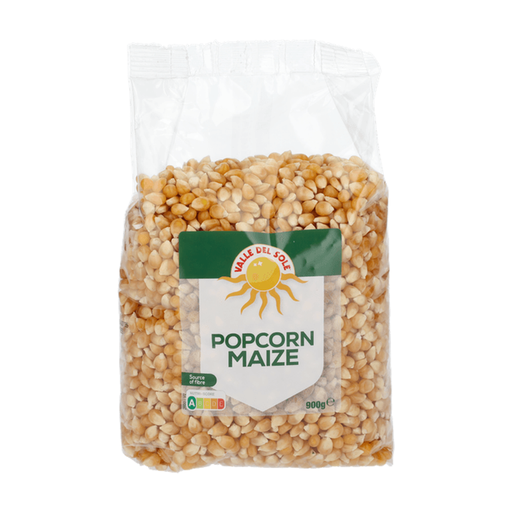 No image available
A good choice if you want to pop your own popcorn. The suggested pan method calls for 2 tablespoons of vegetable oil.
For solid foods, the European Commission’s DG SANTE sets a maximum of 3 g of fat per 100 g as a condition for making a ‘low-fat’ claim. This is a limit for using that claim, not a requirement for choosing every popcorn snack.
Compare products in the same state and on the same nutritional basis. The European Union explains that the nutritional values on packaging reflect the product as sold; for products that need to be prepared, check what state the table refers to.
No. The product information for Jumbo Microwave Popcorn Salt 3 x 90 g says not to restart the cooking if it has been interrupted. This instruction applies to that specific variety.
No. Check the label on the exact pack. The Netherlands Food and Consumer Product Safety Authority provides information about allergens in food; under EU rules, any allergens must be highlighted in the ingredients list.
Jumbo says to store these popcorn kernels in a dry, dark place. For other varieties, follow the storage instructions on the pack.