
Shopping gluten-free
You want to assess the gluten-related information for the popcorn you’ve chosen, and also consider possible cross-contamination during preparation or serving.


First, choose popcorn based on the specific ingredient or allergen you want to avoid, and check the information on the packaging of the exact variant. The NVWA stresses the importance of allergen information on labels. Milk allergy and lactose intolerance need to be assessed differently: milk allergy concerns milk protein, while lactose intolerance concerns milk sugar, as the Dutch Food Allergy Foundation and the Netherlands Nutrition Centre explain.
You want to assess the gluten-related information for the popcorn you’ve chosen, and also consider possible cross-contamination during preparation or serving.
You want to know whether you need to avoid milk protein or are concerned about lactose. This difference determines which information you need to check on the packaging.
You’re buying for several people and want to match their specific dietary needs with the information on the correct packaging, including when buying popcorn from a stall.
First, establish which ingredient or allergen someone needs to avoid. Then consider which type of popcorn preparation suits your plans for King’s Day.
| What to consider | What should you look for? | Who is this important for? |
|---|---|---|
| Gluten and cross-contamination | Check the gluten-related information for the exact variant, and look out for warnings as well as details about the preparation and serving environment. | If I need to avoid gluten, I want to consider both the product information and how it’s prepared and served; around 25% of consumers give avoiding gluten top priority. |
| Milk or lactose | Distinguish between milk allergy and lactose intolerance, and check the ingredients and relevant warnings. | With a milk allergy, I want to assess information about milk protein; with lactose intolerance, I look for lactose. Around 25% of consumers give needs related to milk or lactose top priority. |
| Other allergens | Check each allergen relevant to the person eating the popcorn separately, including information about possible unintended presence. | If someone needs to avoid peanuts, nuts or soya, for example, I want to find that specific information for the exact variant; around 25% of consumers put another specific allergen at the top of their list. |
| Preparation and serving | Check whether the popcorn is ready to eat or needs to be prepared, whether the necessary equipment is available, and whether the product information stays with the snack. | When I’m sharing popcorn, I also want to know what will work practically at the venue once I’ve assessed the dietary requirements; around 25% of consumers then give ease of serving top priority. |
Information about gluten doesn’t automatically answer whether the popcorn is suitable for someone who needs to avoid milk, peanuts, nuts or soya, for example.
Assess the exact variant for each specific allergen, and don’t treat a general brand or category claim as a guarantee.
The Dutch Food Allergy Foundation describes milk allergy as a reaction to milk protein; lactose intolerance relates to digesting milk sugar. So a statement about lactose doesn’t automatically tell you whether the product contains milk protein.
If you have a milk allergy, check the information about milk ingredients and relevant cross-contamination; assess lactose restriction separately.
According to the Dutch Coeliac Society, gluten can get into food through cross-contamination. So checking the ingredients alone doesn’t tell you everything about preparation and serving.
Factor the preparation environment into your choice, and keep the correct packaging and product information clearly identifiable alongside the popcorn.
Albert Heijn advises customers to read the packaging; product information can change.
Check the packaging of the variant you actually buy or receive.
Its official product listings include AH Popcorn Mais and AH Zoute Popcorn, for anyone considering popcorn kernels to pop at home or ready-popped popcorn.
Jumbo lists salted popcorn and salted microwave popcorn; the two product types may suit different preparation plans.
Lidl Netherlands lists popcorn in salted and sweet varieties as part of its Snack Day range.
ALDI Netherlands lists SUN SNACKS Zoute Popcorn 100 g.
These product options include ready-to-eat popcorn and popcorn kernels to pop yourself. First, assess whether the exact variant is suitable for your dietary needs, then choose the preparation method that fits your plans.
 No image available
The title describes salted popcorn in a 100 g pack, a ready-to-eat option to consider if you want to share popcorn.
The product description includes a statement about the 14 main EU allergens. Don’t treat this as a guarantee for your situation; check the exact packaging and relevant cross-contamination information.
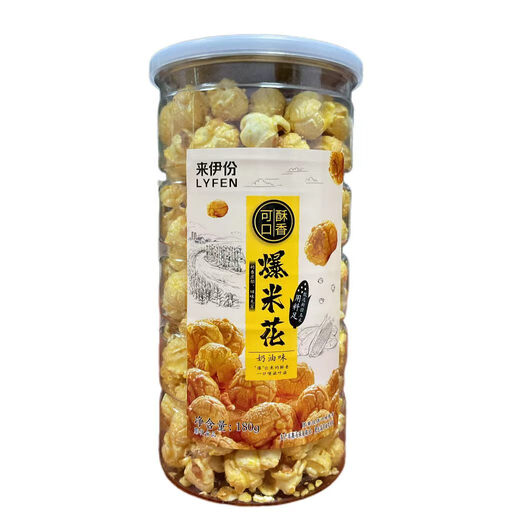 No image available
The product description says this popcorn is ready to eat, making it an option for anyone looking for a convenient snack.
The product description lists soya as an ingredient and an allergen, so this variant isn’t suitable if you need to avoid soya. For other dietary needs, check the exact packaging too.
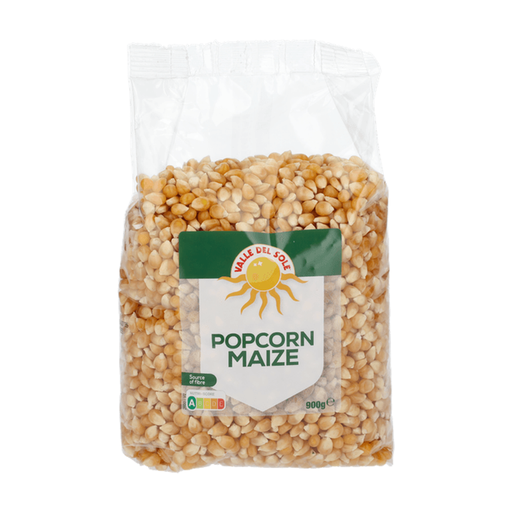 No image available
The product name describes popcorn kernels to pop yourself; the product description gives instructions for cooking them in a pan.
The product description includes a statement about the 14 main EU allergens and refers to the packaging for the full ingredients list. If you have an allergy, check the exact packaging and also consider the preparation environment.
No, you can’t tell from a statement about lactose. A milk allergy concerns milk protein, while lactose intolerance is about digesting milk sugar. If you have a milk allergy, assess the information about milk ingredients and relevant cross-contamination separately.
According to the NVWA, businesses selling unpackaged food must provide information about the 14 legally designated allergens. This information can be provided in writing or verbally; if it’s given verbally, customers must be clearly told that they can ask for it. The information must be available before purchase. This doesn’t in itself say anything about permits that may be required for an individual stall.
Yes. The NVWA reports that new rules will apply from 1 January 2026 on how and when food businesses warn on labels about allergens that may unintentionally get into food. Check any such warning alongside the ingredients information for the exact variant.
For Jumbo Magnetron Popcorn Zout 3 x 90 g, Jumbo says not to restart the cooking process after an interruption. For another product, follow the cooking instructions on its own packaging.
Assess the variant you actually have using its packaging, and don’t rely on an earlier online assessment as a guarantee. Albert Heijn advises customers to read the packaging; if you have questions about a product, contact the seller concerned.