What should you look for?
Start with your guests’ specific dietary needs, then consider how much preparation and portion planning will work for your party.
| What to consider |
What should you check? |
Who is this important for? |
| Suitable for the diet |
Check the specific substance, ingredients and warnings on the packaging of the exact variety. |
If I’m choosing popcorn for someone with an allergy, intolerance or dietary requirement, I want to be able to check the relevant information. Around 36% of consumers put dietary suitability first. |
| Serve separately |
Consider setting aside a separate portion, serving area and scoop, and keep the packaging with the snack. |
Anyone wanting to offer a clearly identifiable portion that’s kept separate should make sure it doesn’t come into contact with other snacks or serving utensils. This is the top priority for around 29% of consumers. |
| Preparation method |
Compare ready-to-eat popcorn with microwave popcorn and kernels to pop yourself; follow the packaging instructions. |
If I want to spend as little time or attention as possible on preparation during the party, I’ll consider which option suits my plans and equipment. Around 21% of consumers prioritise ease of preparation. |
| Flavour and quantity |
Check the flavour, net weight, any portion information and nutritional details for the same variety. |
Once I’ve chosen an option that suits the dietary needs, I still want to decide which flavour and quantity will work for my party. For around 14% of consumers, flavour and portion planning are the main considerations. |
A claim only answers the question it relates to. For example, Albert Heijn labels AH Popcorn karamel as gluten-free, but it also contains milk and lactose. Lactose-free doesn’t mean milk-protein-free either: according to the Voedingscentrum, lactose intolerance relates to milk sugar, while cow’s milk allergy relates to milk proteins.
So a gluten-free claim doesn’t mean that a variety is free from all allergens. Check the ingredients and warnings for each guest’s specific needs. Keep any portion for a guest with dietary requirements clearly separate and use a dedicated scoop; the Dutch Coeliac Society explains that gluten can, for example, be transferred to another product through crumbs in the kitchen.
Popcorn at Joybuy
These Joybuy products include salted, sweet and sweet-and-salty popcorn varieties. For dietary requirements, always check the information for the exact variety and take your guests’ needs into account.
 No image available
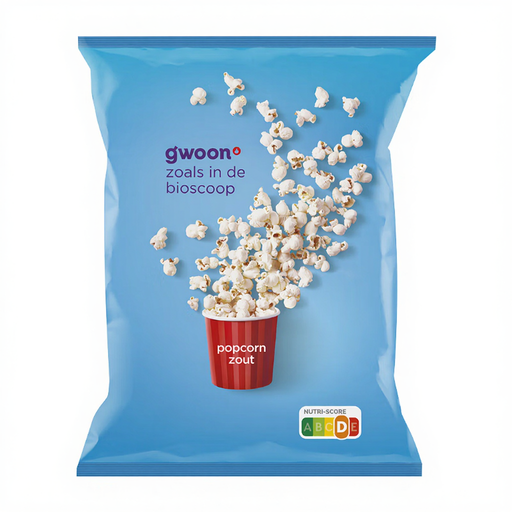
g'woon Salted Popcorn 100 g
A salted variety to consider if you’re looking for popcorn with allergen information.
The product description lists maize, sunflower oil and salt as ingredients and states that the product contains none of the 14 main EU allergens. This isn’t a general claim that it’s free from all allergens; check the packaging for the specific dietary requirement.
View at Joybuy
 No image available
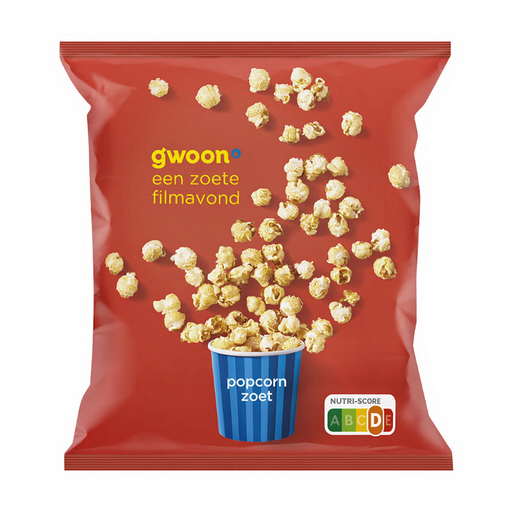
g'woon Sweet Popcorn 175 g
A sweet popcorn option for anyone who wants to consider flavour as well as dietary information.
The product description lists maize, glucose syrup, sugar, sunflower oil and sunflower lecithin, and states that the product contains none of the 14 main EU allergens. This isn’t a general allergen-free claim; check the packaging and nutritional information for this variety.
View at Joybuy
 No image available
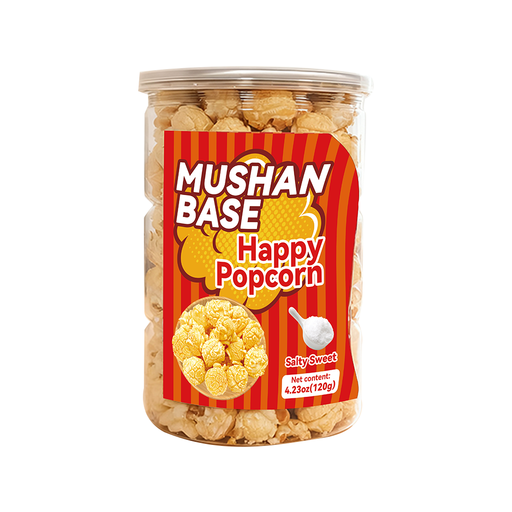
MUSHAN BASE Popcorn Sweet Salty Flavor 120 g
The product description says this sweet-and-salty popcorn is ready to serve straight from the pack.
The description mentions soya and possible gluten. Bear this in mind if your guests need to avoid these ingredients, and check the latest product information.
View at Joybuy
 No image available
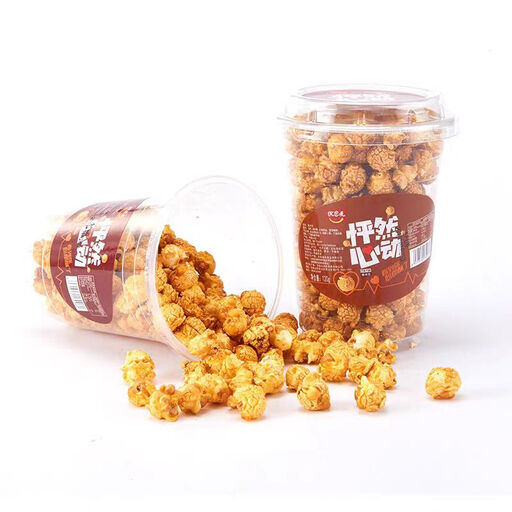
Yousmai Pengranxindong Popcorn Caramel 120 g
This caramel variety is worth considering if you’re looking for sweet popcorn.
The product information lists milk. Bear this in mind if a guest needs to avoid milk, and check the ingredients on the packaging.
View at Joybuy
Frequently asked questions
Is lactose-free popcorn suitable for someone with a milk allergy?
Not on the basis of that claim alone. Lactose intolerance relates to milk sugar, while cow’s milk allergy relates to milk proteins. Check the ingredients and warnings for milk, and follow your guest’s personal dietary advice.
What allergen information must be shown on packaging?
According to the NVWA, the 14 allergens specified by law must be listed in the ingredients and clearly distinguished. This requirement doesn’t guarantee that nobody will react to another ingredient.
What does ‘may contain’ mean on packaging?
According to the NVWA, new Dutch rules for warnings about possible cross-contamination have applied since 1 January 2026. A warning should be based on a risk assessment indicating that reference levels could be exceeded; allergen warnings must not be used if they cannot be exceeded. Follow the information on the current packaging.
What limit applies to a ‘gluten-free’ claim?
The European Commission refers to Implementing Regulation (EU) No 828/2014 for gluten-free claims, which has applied since 20 July 2016. The Association of European Coeliac Societies explains the limit as a maximum of 20 ppm gluten. This claim relates to gluten, not other allergens.
How can you serve gluten-free popcorn alongside bread and other snacks?
Keep the portion for a guest with dietary requirements separate and use a dedicated scoop to reduce contact with crumbs and other serving utensils. Keep the packaging with the portion so your guest can check the product information. This is practical advice to reduce the risk of gluten transfer, not a guarantee that it can’t happen.


