
Label-conscious shoppers looking for less fat
You’re mainly looking to reduce fat and want to distinguish between a lower fat content and a permitted nutrition claim. Factor sugar and portion size into your choice, too.


For a quick desk snack, first choose between ready-to-eat popcorn and kernels you prepare yourself. Then compare fat, sugar, salt and energy using the same labelling basis and the portion you actually eat. A lower fat content does not automatically mean a product can be labelled ‘low fat’: for solid foods, the European Commission sets a maximum of 3 g of fat per 100 g. Enjoy popcorn as a snack alongside lunch, rather than assuming it can replace a meal.
You’re mainly looking to reduce fat and want to distinguish between a lower fat content and a permitted nutrition claim. Factor sugar and portion size into your choice, too.
You want popcorn you can eat straight away, without relying on an office microwave. So check whether a ready-to-eat option also suits your preferences for fat and sugar.
You want to decide what to add, such as oil, herbs and spices, sugar or salt, and can prepare the popcorn before your work break.
| What to consider | What to look for | Who is this important for? |
|---|---|---|
| Fat content and claims | Compare fat per 100 g. For solid foods, the ‘low fat’ claim requires a maximum of 3 g of fat per 100 g (European Commission, DG Health and Food Safety); having less fat than another popcorn does not prove that it meets this claim. | I want less fat and don’t want to rely on wording on the packaging alone. Around 36% of consumers put reducing fat at the top of their shopping priorities. |
| Ready to eat or needs preparing | Check whether the popcorn is ready to eat or needs to be cooked in a microwave. Follow the instructions on the packaging for microwave popcorn. | If I don’t want to use a microwave at work, I look for something I can eat straight away. Around 29% of consumers prioritise convenience and being able to eat it immediately. |
| Portion size and nutritional values | As well as fat, compare sugar, salt and energy. Check the values per 100 g and for the amount you’ll actually eat. | I want to know what my snack portion contributes, rather than looking at fat alone. Around 21% of consumers prioritise portion size and the balance of nutritional values. |
| Choosing what you add | Check the nutritional values of the dry kernels, and factor in oil and other additions when assessing the prepared snack. | If I prepare it myself, I want to choose how much oil, herbs and spices, sugar or salt to add. Around 14% of consumers put having control over the recipe first. |
Having less fat than another variety doesn’t automatically mean the ‘low fat’ claim applies. For example, Jumbo’s sweet popcorn also contains sugar, so assess the nutritional values separately.
Compare the full nutrition table and only use the ‘low fat’ claim when the product meets the relevant threshold. The European Commission sets a maximum of 3 g of fat per 100 g for solid foods.
The nutritional values for dry kernels don’t necessarily describe the snack you’ll end up eating. Oil and other additions can affect the values during preparation.
Assess the prepared portion, including any ingredients you add, and don’t compare nutrition tables for dry and prepared products as if they were based on the same thing.
A broad category may include other snacks, too. For example, Jumbo’s category includes Croky Pop’d Potatoes, a potato snack.
Check the exact product description and ingredients before choosing a snack as popcorn.
AH Zoute popcorn is a ready-to-eat option, while AH Biologisch Popcorn mais is loose corn to prepare yourself.
The Jumbo varieties listed include ready-to-eat sweet popcorn, salted microwave popcorn and loose popcorn kernels.
Lidl’s brand page lists salted and sweet popcorn under its Snack Day own brand.
SUN SNACKS Zoute popcorn is a ready-to-eat salted variety in a 100 g pack (ALDI).
This selection includes microwave popcorn, ready-to-eat salted and sweet popcorn, and popcorn kernels to prepare yourself.
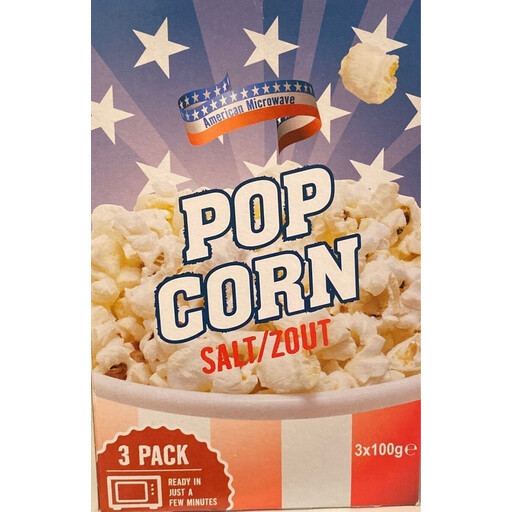 Image unavailable
Suitable if you can use a microwave at work and follow the instructions on the packaging.
The product description lists 23 g of fat per 100 g, which is above the European Commission’s threshold for the ‘low fat’ claim for solid foods.
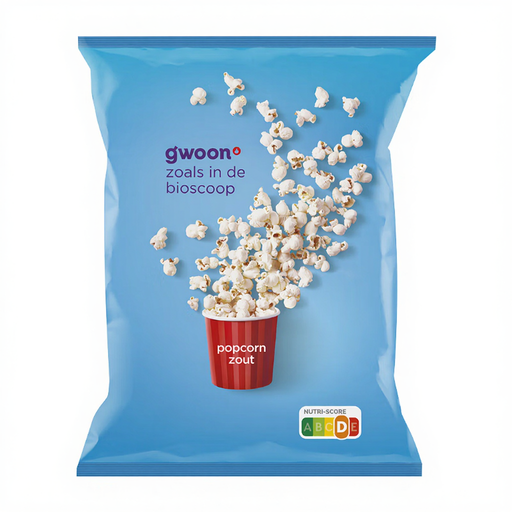 Image unavailable
A salted option for anyone looking for a savoury flavour and popcorn they can eat without using a microwave.
The product information lists corn, sunflower oil and 1.5% salt as ingredients.
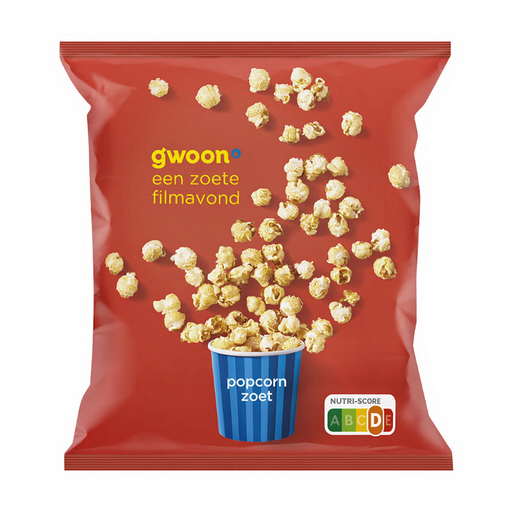 Image unavailable
A ready-to-eat sweet option for anyone who doesn’t want to prepare popcorn.
The product description lists glucose-fructose syrup, sugar and sunflower oil as ingredients.
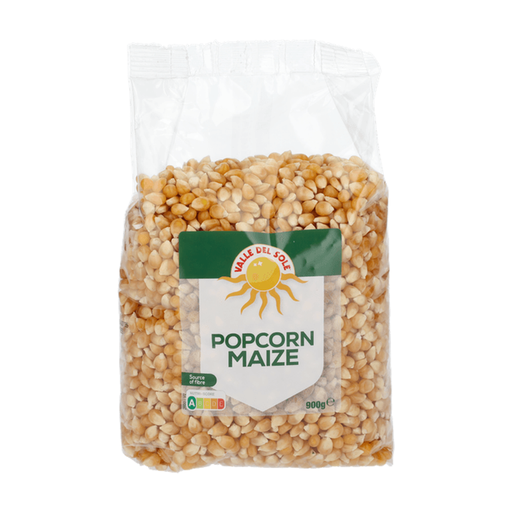 Image unavailable
Suitable if you want to prepare popcorn in a pan in advance and choose what to add yourself.
The preparation method described uses a pan and two tablespoons of vegetable oil.
For solid foods, the ‘low fat’ claim requires a maximum of 3 g of fat per 100 g, according to the European Commission, DG Health and Food Safety. So having less fat than another variety doesn’t automatically mean a product meets this threshold.
Not without checking what the label values are based on. Nutritional values may relate to the product as sold or as prepared; if you make it yourself, include oil and any other additions, too (Your Europe).
Read and follow the preparation instructions on the packaging. Jumbo warns that, for its Magnetron Popcorn Zout, you shouldn’t restart the cooking process if it has been interrupted.
No. Check the allergen information on the exact pack. AH Biologisch Popcorn mais states that it may contain gluten-containing cereals, soya and wheat; the Netherlands Food and Consumer Product Safety Authority explains the rules on allergen labelling.
Enjoy popcorn as a snack with lunch, rather than assuming it can replace a meal. The Netherlands Nutrition Centre suggests options including wholemeal bread, filled wraps and salads for lunch.