
Party hosts who are mindful of portions
You want to serve a festive snack and work out the energy in the amount you’ll actually hand out. A small portion doesn’t make the product itself low in calories.


First compare the nutritional values per 100 g, then work out the energy in the portion you’ll actually serve. The AH popcorn varieties reviewed aren’t suitable for a ‘low energy’ claim: the European Commission sets the limit at 40 kcal per 100 g. Sweet popcorn isn’t automatically lower in energy than salted popcorn: AH Sweet Popcorn lists 419 kcal per 100 g, while AH Salted Popcorn lists 543 kcal, but the sweet variety contains more sugar.
You want to serve a festive snack and work out the energy in the amount you’ll actually hand out. A small portion doesn’t make the product itself low in calories.
You want to decide how much sugar, salt and oil to use, and are considering popping it yourself. Always check the allergens for the exact variety separately.
You’re looking for popcorn that’s ready to serve or easy to prepare in the microwave. Check the differences in sugar and salt, and take care when handling a hot bag.
First compare the exact product variety and the basis on which it’s prepared, then decide whether convenience or control over ingredients matters more to you. For a children’s party, also consider the children and how the snack will be eaten.
| What to consider | What to look for | Who is this most relevant to? |
|---|---|---|
| Energy per portion | Compare kcal per 100 g on the same basis, then weigh the portion you serve. Dried maize can’t be directly compared with prepared popcorn. | If I want to know how much energy is in each bowl I hand out, I weigh the portion instead of looking only at the packaging. Around 33% of consumers prioritise energy per portion. |
| Safe serving and allergens | If serving young children or children with swallowing difficulties, check with their parents whether popcorn is suitable. If there’s an allergy, check the latest label, including any ‘may contain’ warning. | For me, the children’s safety when eating and any known food allergies come before comparing calories. Around 25% of consumers put safe serving or allergies first. The Netherlands Nutrition Centre lists popcorn as a choking risk and advises eating while seated calmly and under supervision. |
| Sugar, salt and ingredients | Check sugars, salt, fat and ingredients separately. If you’re popping it yourself, remember to include oil and any toppings in the recipe. | If I care more about the ingredients than the quickest preparation, I compare the nutritional information for the exact variety. Around 25% of consumers prioritise sugar, salt or ingredients. |
| Preparation and serving | Check the pack weight, preparation method and storage instructions. An adult should carefully open a hot microwave bag. | When I’m short on time while getting ready for the party, I’d rather choose something that’s ready to serve or easy to prepare. Around 17% of consumers give preparation convenience top priority. |
A small portion may contain less energy because it weighs less. That doesn’t change the nutritional value per 100 g. For a ‘low energy’ claim, the European Commission sets a maximum of 40 kcal per 100 g for solid foods.
Weigh the portion and calculate its energy using the nutritional value per 100 g. Don’t present a small portion as proof that the product itself is low in calories.
The AH Sweet Popcorn reviewed lists 419 kcal per 100 g, while AH Salted Popcorn lists 543 kcal per 100 g. The sweet variety does contain more sugar: 45 g per 100 g, compared with 1.2 g in the salted variety. This comparison applies only to these two products.
Compare energy, sugars, fat and salt separately on the packaging of the exact variety.
The 374 kcal per 100 g listed for AH Organic Popcorn Maize applies to dried maize. The pan preparation uses oil, so the finished popcorn is a different recipe from the dry kernels alone.
Work out the portion using the amounts of maize, oil and any toppings you use, then divide the prepared recipe between the portions you serve.
As well as maize, you’ll need oil and any toppings for popping; include them in your preparation and shopping list.
Popcorn can pose a choking risk for some children. Even a maize-based product may carry an allergen warning; AH Organic Popcorn Maize lists cereals containing gluten, soya and wheat as possible allergens.
Make sure children are seated calmly and supervise them while they eat. If serving young children or children with swallowing difficulties, first check with their parents whether popcorn is suitable. If there’s an allergy, read the latest label.
The range reviewed includes ready-to-eat sweet and salted popcorn, microwave popcorn and organic popcorn maize. This lets you choose between serving it straight away and preparing it yourself.
Jumbo lists its own-brand ready-to-eat salted popcorn and microwave popcorn for anyone looking to buy or prepare a snack.
Lidl lists Snack Day Sea Salt Popcorn in a 200 g pack.
ALDI lists SUN SNACKS Salted Popcorn as a ready-to-eat savoury option in a 100 g pack.
This selection includes ready-to-eat popcorn, microwave popcorn and loose popcorn maize to pop yourself. Compare the nutritional information on the exact pack, and remember to factor in any ingredients you add when preparing it yourself.
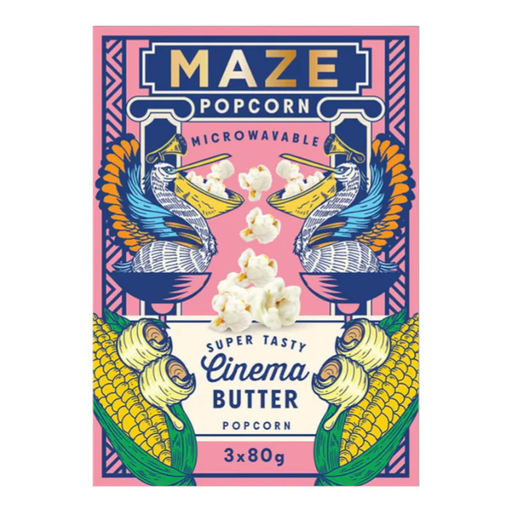 No image available
A ready-to-eat popcorn option for a party; the product title specifies cinema butter flavour and a 240 g pack.
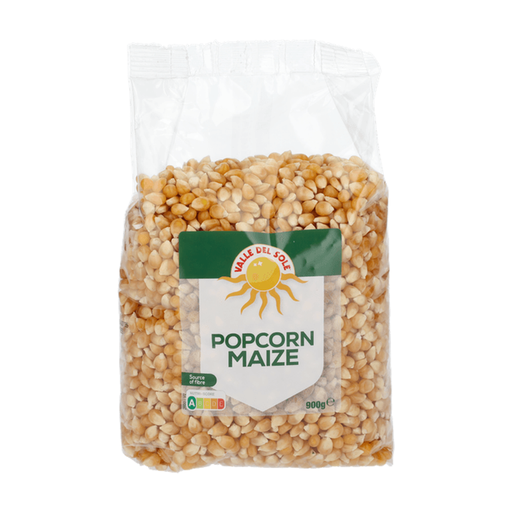 No image available
Ideal if you want to pop loose popcorn maize yourself and control the ingredients you add.
The product information suggests cooking it in a pan with two tablespoons of vegetable oil; include that oil when assessing the prepared portion.
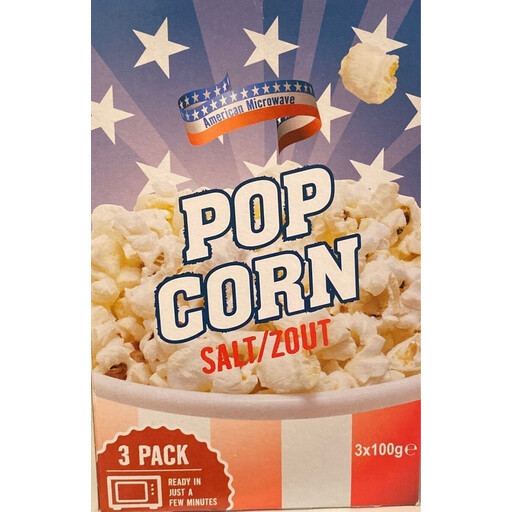 No image available
A microwave option if you want to prepare popcorn hot and can follow the instructions on the packaging.
The product information lists 510 kcal per 100 g. The bag may be hot and contain steam, so open it carefully.
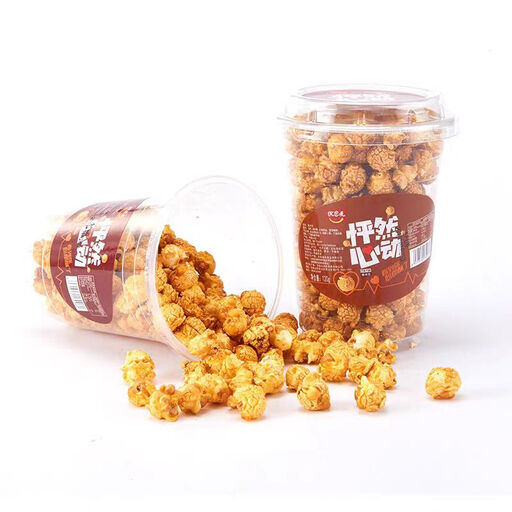 No image available
A ready-to-eat sweet snack if you want to serve popcorn without popping it yourself.
The product information lists 502 kcal and 35 g sugars per 100 g. Milk is listed as an ingredient; check the label if you have a food allergy.
 No image available
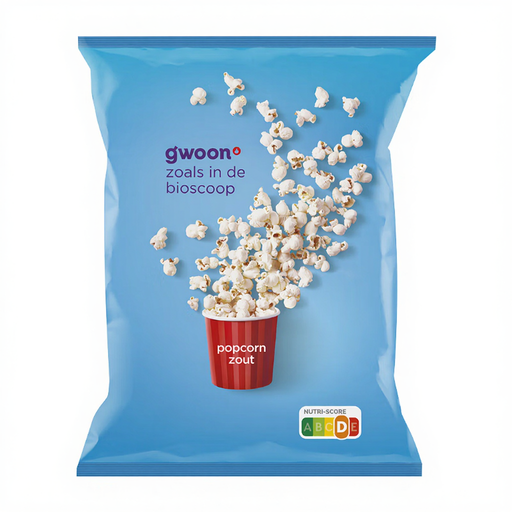
A ready-to-eat savoury option if you want to serve popcorn without preparing it.
The product information lists 543 kcal, 1.2 g sugars and 1.525 g salt per 100 g. Check the current packaging for the nutritional information for the variety you choose.
No. The varieties reviewed don’t meet the threshold for a ‘low energy’ claim. For solid foods, the European Commission sets a maximum of 40 kcal (170 kJ) per 100 g; a smaller portion doesn’t change the product’s value per 100 g.
No. A serving size shown on the packaging isn’t automatically a recommendation for children. AH Sweet Popcorn lists 25 g as a label serving; use this information to calculate quantities, not as individual dietary advice.
Not without considering the children and the eating situation. The Netherlands Nutrition Centre lists popcorn as a choking risk and advises eating while seated calmly and under supervision. If serving young children or children with swallowing difficulties, first check with their parents whether popcorn is suitable.
If you have a food allergy, read the ingredients and warnings on the current packaging and, if needed, check the choice with the parents. AH Organic Popcorn Maize lists cereals containing gluten, soya and wheat as possible allergens.
Follow the instructions on the exact packaging and open the bag carefully. The AH microwave variety reviewed may be hot and contain steam; stay by the microwave while it’s popping.