
Campers keeping an eye on portions
You want to know how many calories your snack portion contains, so you compare weighed amounts rather than just flavours or the size of a bowl.


Choose popcorn that suits the facilities at your campsite, then compare the energy per weighed portion, including any oil and toppings. Ready-to-eat popcorn needs no preparation, while popcorn kernels cooked in a pan give you more control over what you add; microwave popcorn requires a suitable microwave. A small portion doesn’t automatically mean the product meets the legal ‘low energy’ claim.
You want to know how many calories your snack portion contains, so you compare weighed amounts rather than just flavours or the size of a bowl.
You’re looking for popcorn you can eat straight away, without relying on a pan, heat source or microwave.
You have a suitable pan with a lid and want to measure out the oil and seasonings yourself. You factor in any extras and make sure you have a safe place to cook.
First, decide which preparation method you can use at your campsite. Then weigh your portion and include any extras.
| What to consider | What should you check? | Who is this important for? |
|---|---|---|
| Calories per portion | Compare the kcal per 100 g on the pack, weigh your portion and count any extras separately. | If you want to measure your snack portion carefully, look at its weight rather than how full your bowl looks. Around 36% of consumers prioritise calories per portion eaten. |
| Preparation method | Choose between ready-to-eat popcorn, a pan with a lid or a suitable microwave. | If you don’t want to rely on cooking facilities, choose popcorn that’s ready to eat. Around 29% of consumers prioritise not having to rely on cooking facilities. |
| Extras | Read both the ingredients list and the nutrition table, and include oil and toppings. | If you want to decide how much oil or seasoning to add, weigh that up against the extra preparation involved. Around 21% of consumers prioritise control over what they add. |
| Packaging and storage | Check the contents, portion sizes and storage instructions on the exact pack. | For a camping trip, you may want a pack you can reseal and divide between snack breaks. Around 14% of consumers prioritise storage and packaging. |
Nutrition values can vary between products. For example, Albert Heijn lists 419 kcal per 100 g for AH Sweet Popcorn and 543 kcal per 100 g for AH Salted Popcorn. These figures apply to these specific products; they aren’t general values for sweet and salted popcorn.
When you pop your own, the label on AH Organic Popcorn Kernels describes the uncooked kernels. Count the oil and toppings you use separately; don’t compare the value for dry kernels directly with that of prepared popcorn.
The amount in a bowl doesn’t tell you how many grams you’re eating. The energy content depends on the product and the amount you actually eat.
Weigh your portion and use the kcal per 100 g shown on the pack for your particular product.
Albert Heijn’s product information lists 543 kcal per 100 g for AH Salted Popcorn and 419 kcal per 100 g for AH Sweet Popcorn. The sweet variety also contains 45 g of sugars per 100 g.
Compare the energy and ingredients on the exact pack; don’t judge the nutrition value by the flavour name alone.
The nutrition information for dried kernels doesn’t cover the complete recipe, including oil and any toppings.
Count the ingredients you use according to their labels, then divide the total between the portions you actually make.
A microwave bag is designed to be prepared in a microwave; it isn’t an alternative to popcorn kernels cooked on a camping stove.
Before buying, check that you have a suitable microwave and follow the preparation instructions on the pack.
Albert Heijn’s product information distinguishes between ready-to-eat popcorn, microwave popcorn and popcorn kernels for cooking in a pan.
Jumbo sells ready-to-eat salted popcorn and microwave popcorn under its own brand.
Lidl lists both sweet and salted popcorn under its own Snack Day brand.
ALDI lists SUN SNACKS Salted Popcorn in a 100 g pack.
These products include options for snacking straight from the pack and microwave preparation. Check the packaging, preparation method and nutrition information for each product.
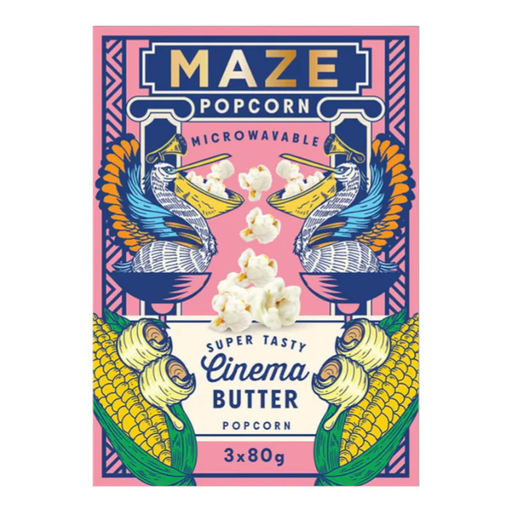 No image available
A handy option for a snack break without popping your own; the product information describes a 240 g pack with cinema and butter flavours.
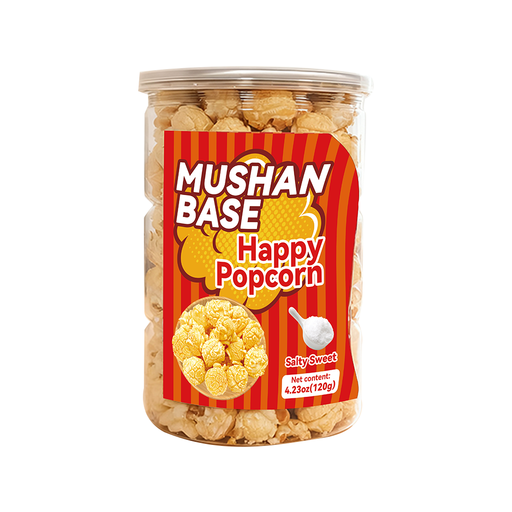 No image available
The product description lists ready-to-eat popcorn with sugar, maltose and salt as ingredients.
Joybuy product information lists 541 kcal per 100 g; weigh your portion to work out the energy in your snack.
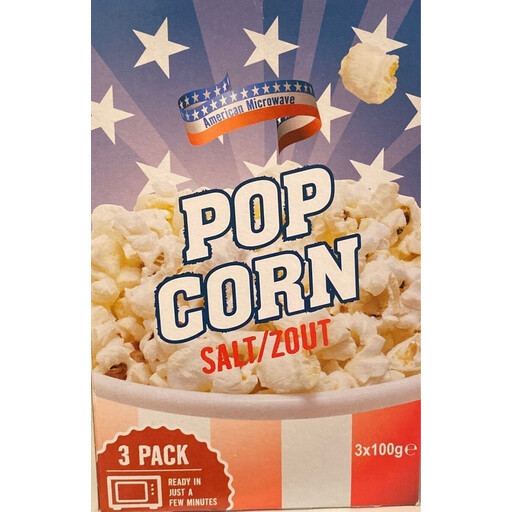 No image available
This product is designed to be prepared in a microwave, so it’s only suitable if you have access to one at your campsite.
Joybuy product information lists 510 kcal per 100 g. Follow the preparation instructions on the pack.
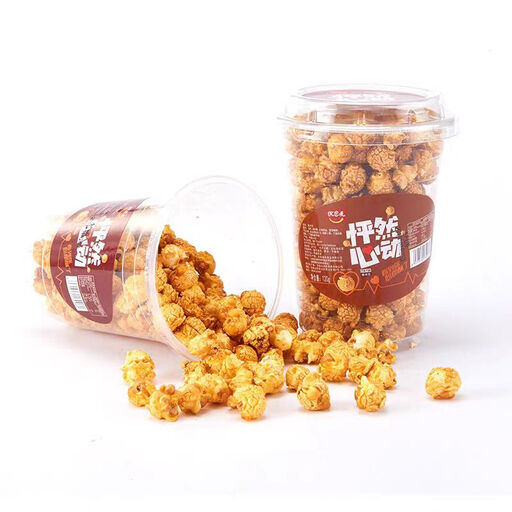 No image available
The product information describes ready-to-eat caramel-flavoured popcorn for a snack break without having to pop your own.
Joybuy product information lists 502 kcal and 35 g of sugars per 100 g; weigh your portion and bear both figures in mind.
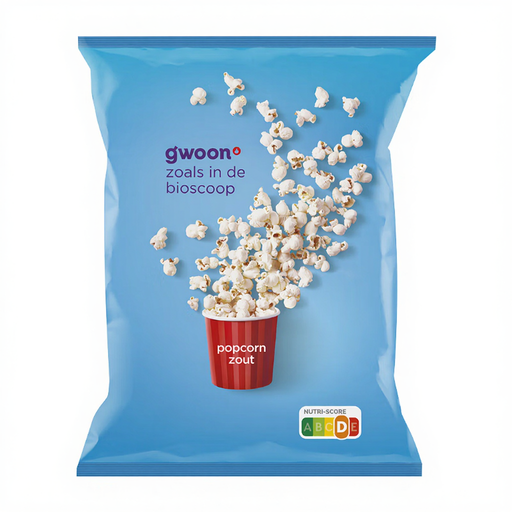 No image available
The product name indicates a salted variety in a 100 g pack.
Joybuy product information lists 543 kcal per 100 g and 1.5% salt. Check the pack and weigh your portion.
For solid foods in the EU, the ‘low energy’ claim can only be used when the product contains no more than 40 kcal (170 kJ) per 100 g, according to the European Commission. A small portion doesn’t automatically make a product eligible for this claim.
Add the energy from the oil and any toppings you use to that of the weighed dry kernels. Don’t use the nutrition value for the kernels as the figure for the whole recipe, and divide the total between the portions you make.
The fire service advises against using a naked flame in or near a tent or caravan. Only cook in a pan in a safe cooking area, and follow the campsite rules and the instructions for your cooking equipment.
No. Albert Heijn states that AH Organic Popcorn Kernels may contain cereals containing gluten, soya and wheat. If you have a relevant allergy, check the allergen information on the pack you’re buying.
Follow the storage instructions on the exact pack. For the ready-to-eat popcorn products from Albert Heijn mentioned here, the advice is to store in a cool, dark, dry place; seal the pack carefully after use.