Choose popcorn based on the calories and grams of protein in the portion you actually eat, rather than its flavour name or airy appearance. Popping your own gives you control over the seasonings; with microwave and ready-to-eat popcorn, compare the nutrition information for the exact variety and preparation basis. Average figures from the Netherlands Nutrition Centre show that popcorn can contribute protein, but they do not classify any specific pack as low-calorie or high-protein.
Who is this guide for?
Calorie-conscious popcorn snackers
You want to know how many kcal are in your portion, so you check the nutrition information for the exact variety. The Netherlands Nutrition Centre gives average figures of 154 kcal per 40 g bowl of popcorn and 202 kcal per 40 g bowl of salted popcorn; these are not figures for specific shop-bought products.
Snack planners keeping an eye on protein
You want to know how much protein popcorn adds to your diet, alongside the calories. The Netherlands Nutrition Centre gives average figures of 5.2 g of protein per 40 g of popcorn and 3.4 g per 40 g of salted popcorn; these category averages do not automatically apply to any particular pack.
Shoppers looking for a convenient way to prepare it
You’re choosing between popping your own, microwave popcorn and ready-to-eat popcorn. The preparation method, product instructions and amount you eat all affect which option suits your snacking occasion.
What should you look for when choosing?
First compare the nutrition information on the same basis, then work out how it applies to your own portion. The Netherlands Nutrition Centre’s averages per 40 g bowl are 154 kcal and 5.2 g of protein for popcorn, compared with 202 kcal and 3.4 g of protein for salted popcorn; these are category averages, not figures for the packs reviewed here.
| What to consider |
What to look for |
Who should pay particular attention? |
| Calories per portion |
Compare kcal per 100 g on the same preparation basis, then work out the amount for the weight you eat. |
If you’re deliberately choosing a smaller snack portion, you’ll want to know how many calories it contains; around 34% of consumers put calorie control first. |
| Protein alongside calories |
Check the grams of protein and kcal for the same amount of popcorn. The protein figure alone won’t tell you how many calories are in your portion. |
If you’re fitting popcorn into a high-protein diet, weigh up its protein contribution against the calories; around 33% of consumers focus mainly on protein. |
| Preparation and nutrition basis |
Check whether the figures apply to the product as sold or after preparation, and follow the instructions for the exact variety. |
If you want popcorn quickly without popping kernels yourself, an easy preparation method matters; around 20% of consumers prioritise convenience. |
| Flavour and ingredients |
Check the ingredients and nutrition table for the flavour you’re considering. Also check the allergen information if relevant to you. |
If you’re after a particular flavour, you’ll want to weigh it up against your nutrition goal and any allergens; around 13% of consumers put flavour first. |
Common pitfalls
-
Assuming salted popcorn is automatically the lower-calorie choice
The Netherlands Nutrition Centre gives average figures per 40 g of 202 kcal for salted popcorn and 154 kcal for popcorn. These averages do not establish a ranking across all sweet and salted shop-bought varieties.
Compare the exact products on the same weight basis and work out the figures for the portion you eat. Don’t let the flavour name stand in for a proper comparison.
-
Confusing a high-protein diet with a high-protein pack
Popcorn can contribute protein, but the amount varies by product. Having a protein goal for your overall diet doesn’t automatically make an individual pack of popcorn high in protein.
Check the grams of protein and kcal for the same portion. Assess a nutrition claim separately from the product name; the Netherlands Food and Consumer Product Safety Authority (NVWA) points out that a claim alone does not guarantee the product’s overall composition.
-
Mixing up nutrition figures before and after preparation
For products that need to be prepared first, European Union rules allow nutrition information to be given for the prepared product. When you make popcorn yourself, any additions you use contribute to the final recipe.
Check the pack to see which preparation basis the nutrition information refers to. If you’re making your own recipe, include any ingredients you add in your calculations.
Brands to consider
Albert Heijn
Albert Heijn’s product listings include popcorn kernels, salted microwave popcorn and ready-to-eat salted popcorn.
- The different product formats offer a range of preparation methods to compare.
- The product listings alone don’t establish whether a product is suitable for a calorie or protein goal.
Jumbo
Jumbo lists both salted popcorn in a bag and salted microwave popcorn.
- The listings distinguish between a ready-to-eat option and a microwave variety.
- For Jumbo Microwave Popcorn Salted, follow the product-specific instructions: don’t restart the cooking process if it has been interrupted.
Lidl
Lidl Netherlands lists Snack Day Sea Salt Popcorn and Freshona Popcorn Kernels.
- The product listings offer a ready-to-eat option and popcorn kernels to consider.
- The ‘In-store only’ listing for Snack Day doesn’t confirm whether the product is in stock at a particular shop.
Aldi
ALDI Netherlands lists SUN SNACKS Salted Popcorn in a 100 g pack.
- The product listing gives you a specific ready-to-eat option to consider.
- The product name alone doesn’t tell you how many kcal or how much protein a portion contains.
Popcorn at Joybuy
This selection includes microwave popcorn, ready-to-eat popcorn and kernels for you to prepare yourself. Use the nutrition information to calculate your portion only on the basis stated, and remember to account for any additions when preparing popcorn yourself.
 No image available
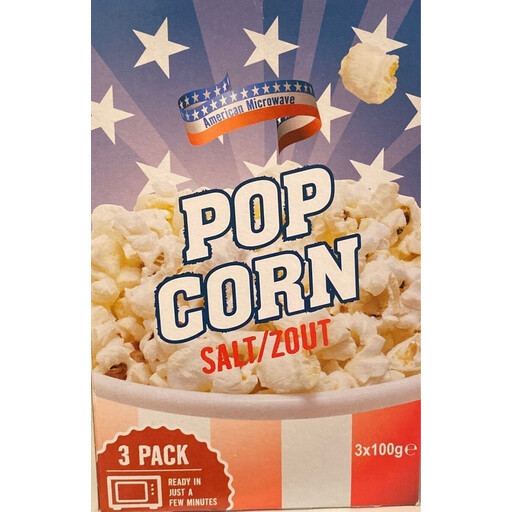
Popcorn, 3 x 100 g
Suited to anyone who wants to prepare popcorn in the microwave.
Listed per 100 g: 510 kcal and 10 g of protein.
Joybuy
 No image available
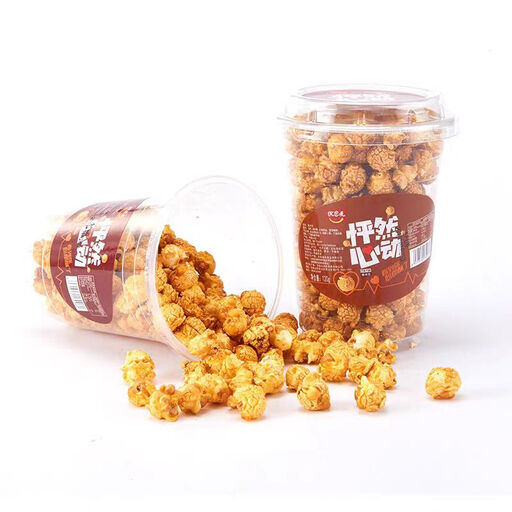
Yousmai Pengranxindong caramel popcorn, 120 g
Suited to anyone looking for ready-to-eat popcorn with a caramel flavour.
Listed per 100 g: 502 kcal and 5 g of protein.
Contains milk.
Joybuy
 No image available
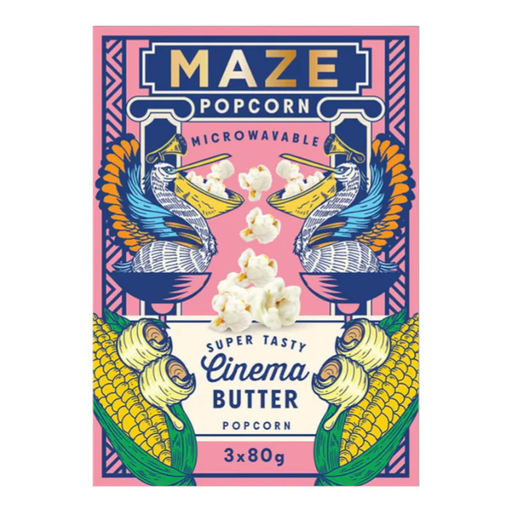
SNACK MAZE Cinema Butter popcorn, 240 g
Suited to anyone looking for ready-to-eat popcorn with a cinema-style butter flavour.
The product name states that the pack contains 240 g.
Joybuy
 No image available
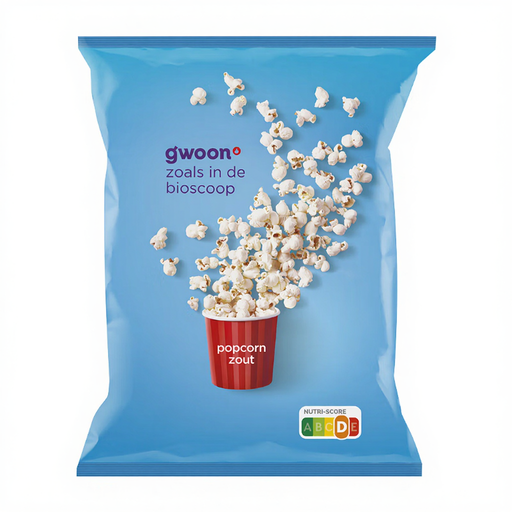
g'woon salted popcorn, 100 g
Suited to anyone who wants to weigh out a portion of ready-to-eat salted popcorn.
Listed per 100 g: 543 kcal and 8.3 g of protein. The ingredients list includes maize, sunflower oil and salt.
Joybuy
 No image available
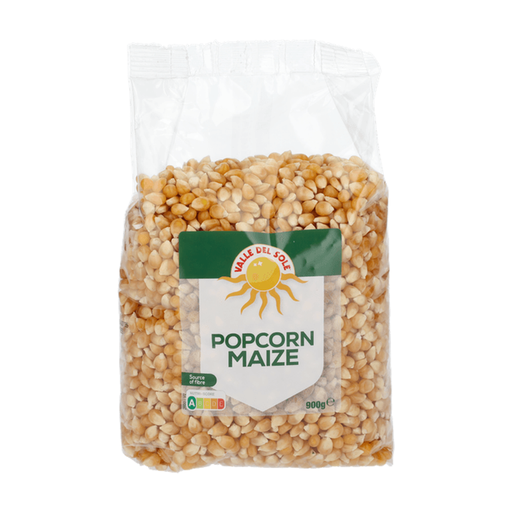
Valle Del Sole popcorn kernels (Butterfly), 900 g
Suited to anyone who wants to pop their own popcorn in a pan.
Listed per 100 g: 350 kcal and 10 g of protein. The preparation instructions also call for 2 tablespoons of vegetable oil; include this when calculating the nutrition for your prepared portion.
Joybuy
Frequently asked questions
How do I work out the nutrition figures for my snack portion?
Multiply the value per 100 g by the number of grams you eat, then divide by 100. Do this separately for kcal and protein, using figures for the same variety and preparation basis.
Can I flavour popcorn myself without choosing a sugary recipe?
The Netherlands Nutrition Centre suggests cinnamon or a spiced biscuit seasoning as flavour options. Check the ingredients in your spice mix; the nutrition information for your recipe depends on everything you add.
Can I restart microwave cooking if it has been interrupted?
Not with Jumbo Microwave Popcorn Salted 3 x 90 g: the product page says not to restart the cooking process after an interruption. For other varieties, follow their own instructions.
Does a small portion of popcorn make the product legally low-calorie?
No. For the claim ‘low energy’ and claims with the same meaning, the European Commission sets a maximum of 40 kcal (170 kJ) per 100 g for solid foods. A small portion doesn’t automatically make a product eligible for that claim.
Is popcorn automatically suitable if I have a food allergy?
Check the ingredients and allergen information for the exact variety and any flavourings. The Netherlands Food and Consumer Product Safety Authority (NVWA) says that sellers must inform consumers about allergens present, so check the information for the product you choose.


