
Partygoers keeping an eye on portions
Want to enjoy popcorn on King's Day and know how many calories are in your portion? Compare weights and work out the label value for the amount you actually eat.


First decide how much popcorn you want to eat and whether you want to pop it yourself. Then compare the nutritional values on the same basis, for example per 100 g or per weighed portion. Loose popping corn gives you more control over what you add, while microwave and ready-to-eat popcorn save on preparation. A small portion doesn't make a product low in calories: check the sugar, salt, saturated fat and allergens too.
Want to enjoy popcorn on King's Day and know how many calories are in your portion? Compare weights and work out the label value for the amount you actually eat.
If you want to pop your own popcorn at home, you can decide how much oil, sugar or seasoning to add. The nutritional value of dry corn doesn't automatically apply to the prepared recipe.
Ready-to-eat bags are handy for taking with you or serving straight away; microwave popcorn still needs to be prepared. Follow the pack instructions when making microwave popcorn.
A good fit if: you want to decide how much oil, sugar and seasoning to add.
Bear in mind: you'll need to prepare it yourself and count all additions; dry corn isn't the same as the complete recipe.
A good fit if: you want to make popcorn at home without measuring out each ingredient separately.
Jumbo Magnetron Popcorn Zout lists 391 kcal per 100 g, while AH Magnetron Popcorn Zout lists 435 kcal per 100 g. These are the label values for these varieties, not a general comparison of all microwave popcorn.
A good fit if: taking it with you or serving it straight away matters more than making it yourself.
AH Zoute popcorn lists 543 kcal per 100 g. The weights of the bags studied at Lidl and ALDI don't, by themselves, tell you how many calories their popcorn contains.
A good fit if: you want sweet popcorn and can weigh out the amount you eat.
AH Popcorn zoet lists 419 kcal and 45 g of sugar per 100 g. Compared with the AH Zoute popcorn studied, it has a lower energy value but a higher sugar content.
| What to consider | What to check when buying | Who should pay particular attention? |
|---|---|---|
| Calories in your portion | Compare kcal per 100 g and work out the value for your weighed portion. Check whether the nutritional value applies to dry corn or prepared popcorn. | Want to know what your own portion contains, rather than counting the weight of the whole bag? Around 36% of consumers focus mainly on the calories in the amount they actually eat. |
| Additions | Check the ingredients and preparation method; include oil and any sugar in the calculation for the whole recipe. | If you want to pop your own, you'll want to choose how much oil, sugar or seasoning to add. Around 29% of consumers prioritise having control over additions. |
| Preparation and taking it with you | Check whether the popcorn is ready to eat or needs a microwave. Follow the pack instructions when preparing it in the microwave. | Want to take popcorn with you or serve it with little preparation? Around 21% of consumers mainly prioritise easy preparation or serving. |
| Sugar, salt and allergens | Compare the nutritional values for the exact variety and check the ingredients and allergen information on the packaging. | If you're specifically watching your sugar, salt or saturated fat intake, you'll want to compare those nutrients individually. Around 14% of consumers prioritise a particular nutrient. |
A smaller portion means you eat less of the product, but it doesn't change its composition or energy value per 100 g. The popcorn products studied with available nutritional values range from 374 to 543 kcal per 100 g.
Check the kcal per 100 g and work out the value for your weighed portion. Don't call a product low in calories just because you eat a small amount.
For the AH varieties studied, salted popcorn lists 543 kcal per 100 g and sweet popcorn 419 kcal. At the same time, the sweet variety contains 45 g of sugar per 100 g, so flavour alone doesn't predict nutritional values.
Compare the exact varieties and look at the nutrient that matters most to you, such as energy, sugar or salt.
The nutritional value of dry corn doesn't include the oil and other ingredients you add during preparation.
Calculate the nutritional value of the whole recipe and divide it by the number of portions you actually make.
If you make it yourself, oil, seasonings and portion packaging may mean extra shopping if you don't already have them at home.
This selection includes loose popping corn, microwave popcorn, and ready-to-eat sweet and salted popcorn.
The Jumbo Magnetron Popcorn Zout studied is an option if you want to make popcorn at home.
Snack Day Popcorn zeezout, 200 g, is a ready-to-eat product option included in the study.
Sun Snacks Zoute popcorn, 100 g, is a ready-to-eat option included in the study.
The selection below includes popcorn kernels for popping at home and packaged popcorn varieties. For each variety, compare the nutritional basis, ingredients and portion that suit how you plan to enjoy it.
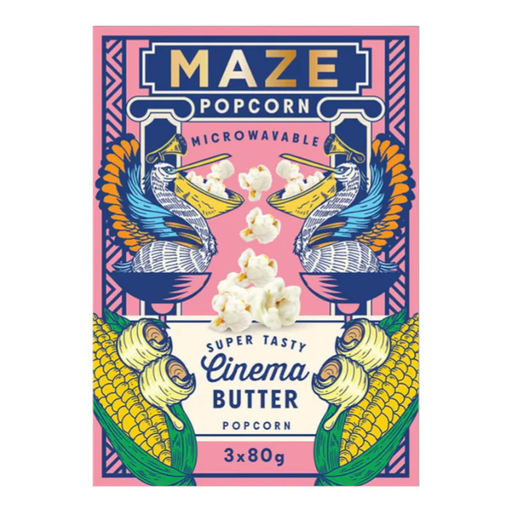 Image unavailable
A good choice if you're looking for popcorn to enjoy during a film night or share with others.
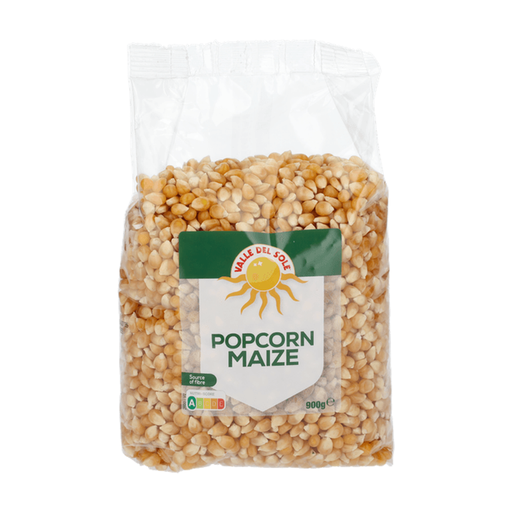 Image unavailable
Suitable if you want to pop your own popcorn and control how much you add.
The nutritional information lists 350 kcal, 13 g of fibre and 0 g of salt per 100 g of corn. The preparation advice calls for 2 tablespoons of vegetable oil; include this when calculating the value for your prepared portion.
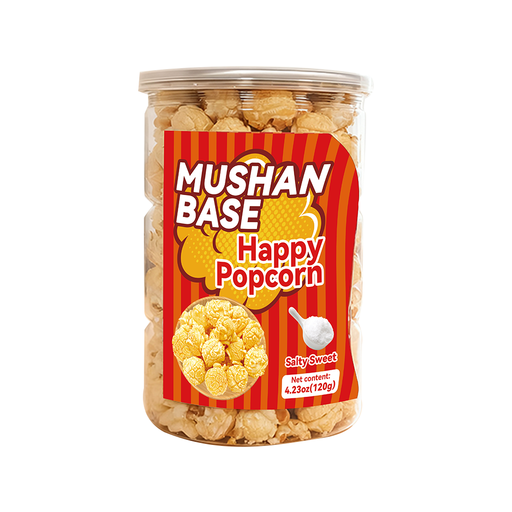 Image unavailable
A packaged variety for serving straight away.
The product information lists 541 kcal and 27.1 g of sugars per 100 g. The product contains soya and may contain gluten.
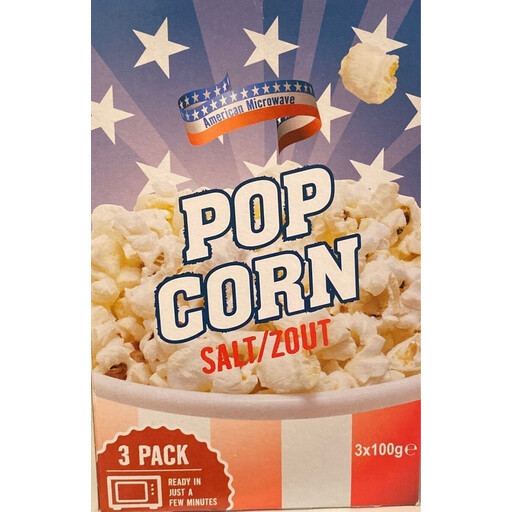 Image unavailable
A good fit if you want to make microwave popcorn at home without measuring out each ingredient separately.
The product information lists 510 kcal, 16 g of saturated fat and 3 g of salt per 100 g. A microwave is needed for the preparation described; open the bag carefully because of the hot steam.
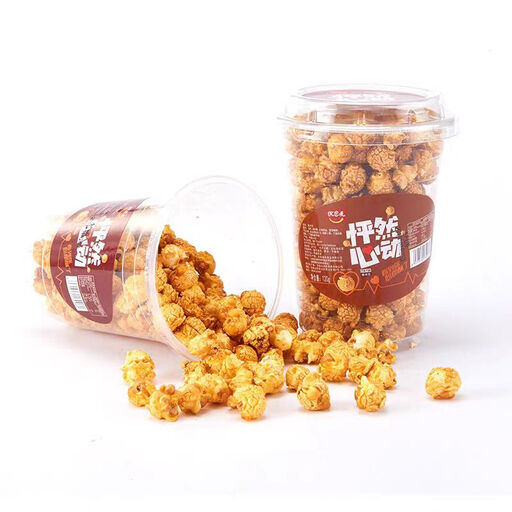 Image unavailable
A packaged caramel-flavoured variety for serving straight away.
The product information lists 502 kcal, 35 g of sugars and 15 g of saturated fat per 100 g. Contains milk.
Add together the energy from the corn, oil and any other additions, then divide the total by the number of portions you make. The 374 kcal per 100 g listed for AH Biologisch Popcorn mais applies to dry corn, not the complete recipe. Always check whether the nutritional information is for the product as sold or as prepared.
Not just on the basis of the portion size shown on the label. The Jumbo variety studied comes in 90 g bags and also lists nutritional values per 30 g. Weigh or estimate how much you eat, and use the same basis for weight and preparation in your calculation.
Follow the instructions on the exact pack. AH warns about hot steam when opening the bag and advises staying by the microwave. Jumbo says an adult should supervise children making the popcorn and advises against restarting after an interruption.
No, portion size doesn't change the nutritional value per 100 g. Compare the specific label values and work them out for the amount you eat; don't infer that a product is low in calories or light based only on a small portion. The Netherlands Food and Consumer Product Safety Authority points out that nutrition claims must comply with European rules.
Read the ingredients and allergen information on the exact pack, including any warnings about possible cross-contamination. Don't rely on the name popcorn or the main ingredient alone; check the current packaging when you buy it too.