What should you look for when choosing?
First, compare the amount you want to eat and check whether the nutritional information applies to the product as sold or prepared. Then decide whether convenience, flavour or control over the ingredients matters most to you.
| What to consider |
What to look for |
Who is it most important to? |
| Energy in your portion |
Weigh your portion and calculate kcal per 100 g × portion weight in g ÷ 100. If you’re making it yourself, include any additions. |
If I want to know what’s in my own bowl, I weigh the portion rather than looking only at the bag. Around 42% of consumers prioritise energy per serving. |
| Convenience on the go |
Check whether the popcorn is ready to eat and how many portions you want from the pack. |
If I want to take popcorn with me or share it without having to prepare it, I focus on the packaging and portion sizes. Around 25% of consumers put convenience first. |
| Festive flavour |
Check sugar, fat and energy as separate nutritional values; if you’re popping it yourself, choose your flavourings carefully. |
If I’m looking for a sweet, savoury or spiced flavour for a special occasion, I first check which variety fits the bill. Around 17% of consumers put flavour first. |
| Ingredients and suitability |
Read the ingredients and warnings on the specific pack. If you’re buying popcorn for a child, bear in mind the choking warning. |
If I’m buying for someone with a specific ingredient restriction or other requirement, I check the label and relevant warnings first. Around 16% of consumers make suitability their top priority. |
Popcorn products at Joybuy
These Joybuy products include ready-to-eat popcorn, microwave popcorn and popping corn to prepare in a pan.
 No image available
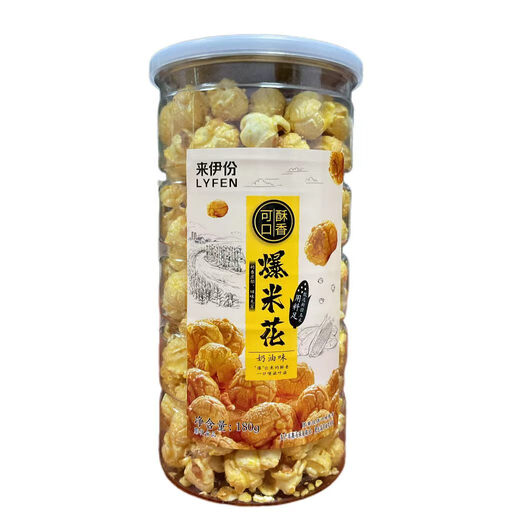
LYFEN Popcorn 180 g
Ideal if you want popcorn to take with you without having to pop it yourself.
Joybuy product information lists 530 kcal per 100 g. Once opened, the product information recommends consuming the contents straight away.
View at Joybuy
 No image available
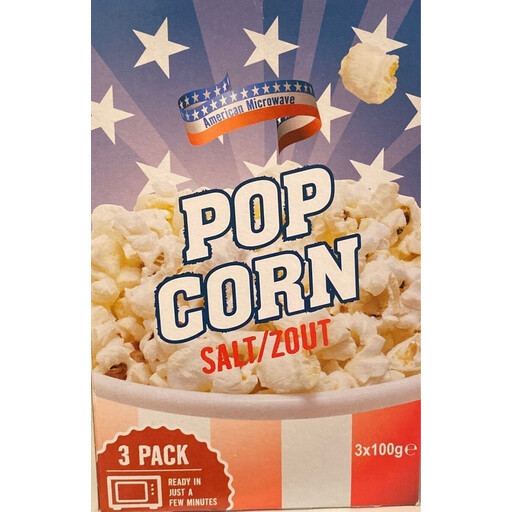
Pop Corn 3 x 100 g
Ideal if you want to make popcorn in the microwave without putting together your own recipe.
Joybuy product information lists three 100 g bags and 510 kcal per 100 g. Microwave preparation is required.
View at Joybuy
 No image available
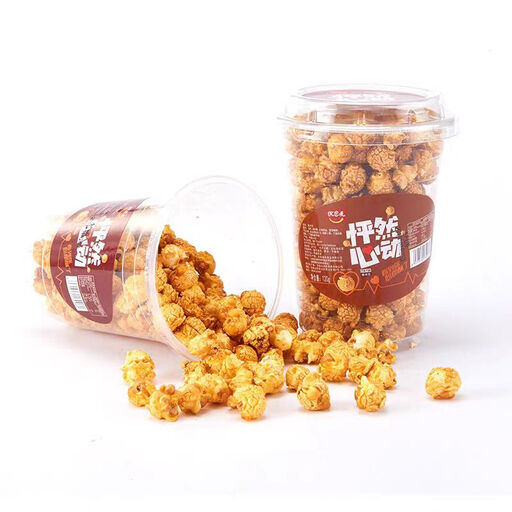
Yousmai Pengranxindong Popcorn Caramel 120 g
Ideal if you’re looking for ready-to-eat popcorn with a caramel flavour.
Joybuy product information lists 502 kcal per 100 g and a pack size of 120 g.
View at Joybuy
 No image available
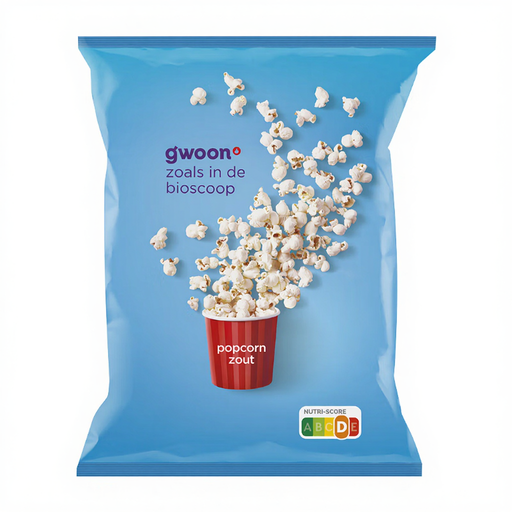
g’woon Salted Popcorn 100 g
Ideal if you’re looking for ready-to-eat salted popcorn.
Joybuy product information lists 543 kcal per 100 g.
View at Joybuy
 No image available
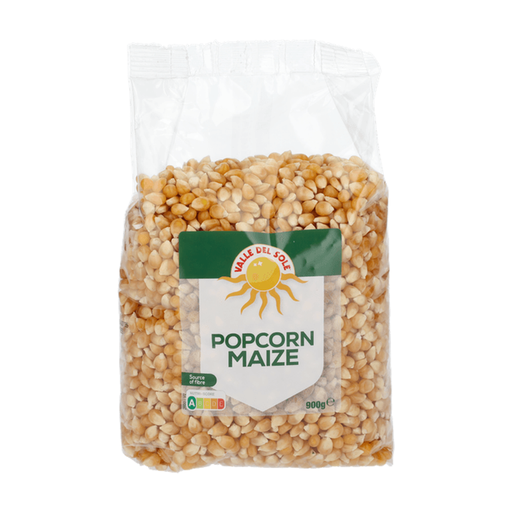
Valle Del Sole Popcorn Maize Butterfly 900 g
Ideal if you want to pop your own popcorn and choose what to add.
Joybuy product information lists 900 g and 350 kcal per 100 g. The described pan preparation uses vegetable oil, which should be included in the calculation for the finished popcorn.
View at Joybuy
Frequently asked questions
Is popcorn automatically low in calories if you have a small portion?
No. For the claim ‘low energy’ on solid foods, the European Commission sets a limit of no more than 40 kcal (170 kJ) per 100 g. The energy in a small portion is a separate calculation. To make a ‘reduced energy’ claim, the energy value must be at least 30% lower, and the characteristic responsible for the reduction must be stated.
Can I compare unpopped corn directly with prepared popcorn?
Only if the nutritional values refer to the same state of the product. The European Union explains that nutritional values are given per 100 g or per 100 ml, so check whether they apply to the product as sold or after preparation. If you pop it yourself, remember to include oil and toppings too.
What should I bear in mind when preparing Jumbo microwave popcorn?
Follow Jumbo’s preparation instructions: remove the film, read the directions carefully and don’t let children prepare it without adult supervision. The instructions say not to restart the cooking process if it has been interrupted.
How should I store popcorn for a snack later on?
For the ready-to-eat popcorn reviewed, Albert Heijn recommends storing it in a cool, dark and dry place and sealing the pack tightly after use. The Netherlands Nutrition Centre explains that a best-before date applies while the pack is unopened; once opened, follow the product’s storage instructions.
Is popcorn suitable for every child?
Don’t assume so. The Netherlands Nutrition Centre lists popcorn among foods that can pose a choking risk for children. Bear this warning in mind when choosing popcorn for a child.


