
Portion-conscious snackers
If you want to keep track of the energy in your morning snack, weigh your portion and use the nutritional information for that exact variety. If you’re popping it yourself, remember to include anything you add.


If you want to keep the energy content of your popcorn snack in check, start by weighing the amount you actually eat and comparing the kcal per 100 g for the exact variety. If you’re popping it yourself, include oil and any other additions in your calculation. Then choose between ready-to-eat popcorn, microwave popcorn and loose popping corn based on convenience and the flavour you want. ‘Low energy’ is a regulated nutrition claim: for solid foods, the limit is 40 kcal per 100 g, according to the European Commission. So a small portion doesn’t automatically make a product low in energy.
If you want to keep track of the energy in your morning snack, weigh your portion and use the nutritional information for that exact variety. If you’re popping it yourself, remember to include anything you add.
If you want to portion up popcorn and take it with you without having to prepare it, a ready-to-eat variety can be a practical choice. Follow the packaging advice on storage and resealing after use.
If you want to choose how much corn to pop and what to flavour it with, loose popping corn is a good fit. Albert Heijn lists corn as the only ingredient in AH Organic Popcorn corn; remember to include any additions when calculating the energy in your snack.
| What to consider | What to look for | Who is this most relevant to? |
|---|---|---|
| Energy in your portion | Compare kcal per 100 g for the exact variety and weigh your portion. If you’re popping it yourself, include any additions. | If you mainly want to know how much energy you’re actually eating, portion size and what you use to prepare it are key; around 36% of consumers put energy per portion first. |
| Convenience at snack time | Check whether the popcorn is ready to eat or needs preparing, and how many bags or portions the pack contains. | If you want to keep preparation to a minimum for your morning snack, having something ready to eat matters more to you; around 29% of consumers make convenience their top priority. |
| Flavour and ingredients | Read the ingredients and compare sugar, salt or saturated fat per equal amount. | If you mainly want to choose a flavour and ingredients profile that suits you, look beyond kcal alone; around 21% of consumers prioritise flavour and ingredients. |
| Packaging and storage | Check the pack weight and follow the storage advice. Reseal an opened pack as directed. | If you want to use a pack over several snack times, portioning and storage are important considerations; around 14% of consumers give top priority to cost and keeping the product usable. |
A portion may contain less energy simply because you eat less of it. That doesn’t change the requirements for using the ‘low energy’ nutrition claim per 100 g.
Calculate the energy in the amount you eat, and don’t use ‘low energy’ as a product claim without checking the legal requirements. The European Commission sets a limit of 40 kcal per 100 g for solid foods.
For AH Sweet Popcorn, Albert Heijn lists eight portions of 25 g. The pack weight and the weight of a snack portion are therefore different figures.
Weigh your portion in advance and check whether the calorie figure on the pack is per 100 g or per portion.
The nutritional value of dry corn isn’t automatically the same as that of the prepared snack. Albert Heijn’s preparation instructions for its popping corn include oil.
Calculate the whole recipe using the amounts you actually use, then divide the total by the number of portions you make.
The range includes loose organic popping corn and ready-to-eat sweet and salted popcorn. Popping corn and prepared popcorn are different products.
The varieties reviewed are ready-to-eat sweet and salted popcorn, as well as salted microwave popcorn.
Lidl lists salted and sweet popcorn under its Snack Day brand; the Dutch product page reviewed describes a 200 g pack of sweet popcorn.
The Dutch product page describes a 100 g pack of SUN SNACKS Salted popcorn.
This selection includes ready-to-eat popcorn, microwave popcorn and corn for popping at home. Check the portion, preparation method and available nutritional information for each variety.
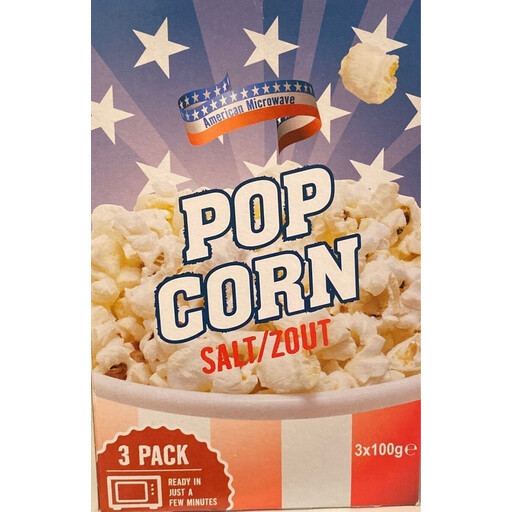 Image unavailable
Suited to anyone who wants to make popcorn in the microwave and weigh the amount they eat.
The product description lists 510 kcal per 100 g and three 100 g bags. A preparation bag isn’t automatically one snack portion.
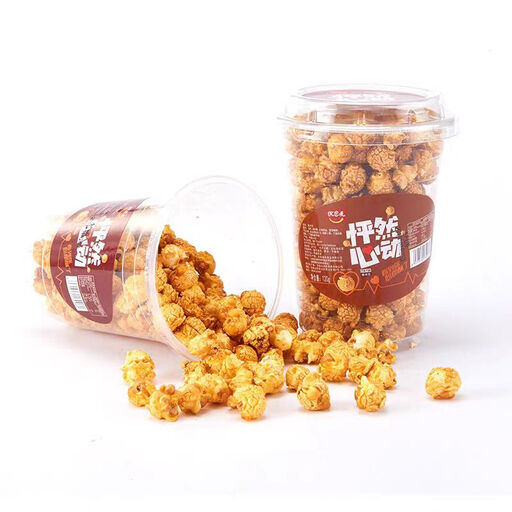 Image unavailable
Suited to anyone who wants to portion out ready-to-eat caramel-flavoured popcorn without having to prepare it at snack time.
The product information lists 502 kcal and 35 g of sugar per 100 g. Consider sugar separately from energy.
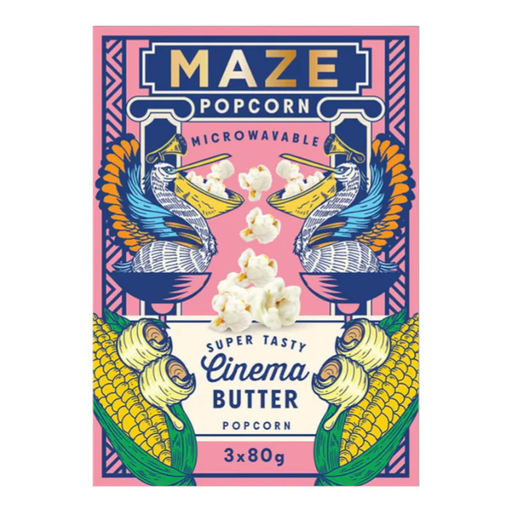 Image unavailable
Suited to anyone looking for cinema butter-flavoured popcorn who wants to weigh out their own snack portion.
The product name lists a 240 g pack. Check the nutritional information on the pack to calculate the amount per portion.
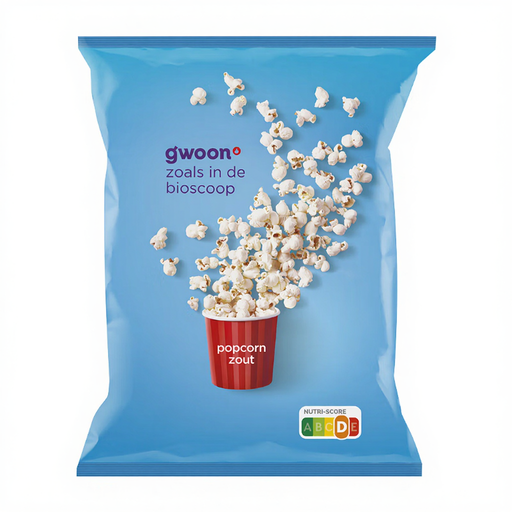 Image unavailable
Suited to anyone who wants to weigh out a portion of ready-to-eat salted popcorn.
The nutritional information lists 543 kcal and 1,525 g of salt per 100 g. Weigh your portion and consider salt separately from energy.
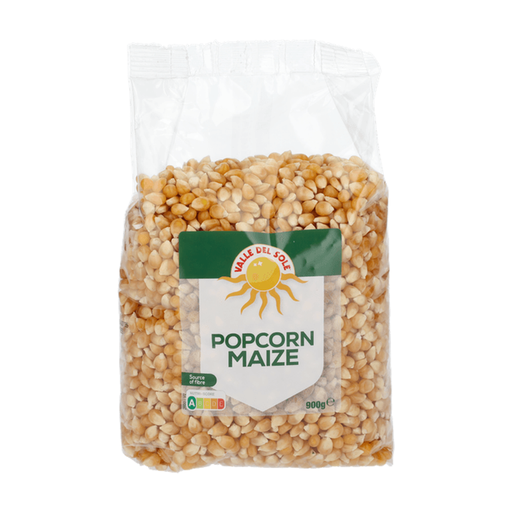 Image unavailable
Suited to anyone who wants to pop their own popcorn and choose how much corn and which additions to use.
The product name lists 900 g of popcorn kernels. The described pan method uses vegetable oil, so include the oil you use when calculating the energy in your snack portion.
No, not on the basis of the portion alone. According to the European Commission, the ‘low energy’ claim for solid foods is limited to 40 kcal (170 kJ) per 100 g; calculating the energy in a portion is different from making this claim about the product.
Follow the preparation instructions on the exact pack. For the salted variety reviewed, Jumbo warns that children should only prepare it under supervision and that you shouldn’t restart the cooking process if it has been interrupted. Once prepared, divide it into the portion you want to eat.
No. Check the ingredients list and warnings on the exact pack. For AH Organic Popcorn corn, Albert Heijn warns that it may contain cereals containing gluten, soya and wheat; the ready-to-eat Jumbo varieties reviewed list milk.
The NVWA states that mandatory labelling covers 14 allergens and that any allergens present must be clearly identified in the ingredients list. The Regular Consultation on the Commodities Act confirms that the precautionary allergen labelling policy has been in force since 1 January 2026. Always check the information on the current packaging.
Follow the storage advice for the specific variety. For the ready-to-eat popcorn reviewed, Albert Heijn recommends storing it in a cool, dark and dry place and closing the pack securely after use.