What should you look for when choosing?
First identify the substance you need to avoid, then check the exact product information. Only then choose between ready-to-eat popcorn and a variety you prepare yourself.
| What to consider |
What should you check? |
Who is this most relevant to? |
| A specific food allergy |
Read the ingredients and allergen information for the exact variety, including any warnings. The NVWA explains that allergen information must tell consumers about allergens in food. |
If you need to avoid a specific substance because of a food allergy, check the ingredients and warnings side by side. Around 36% of consumers make this specific allergy their top priority. |
| Gluten-free labelling |
Check whether the exact variety is labelled gluten-free and read any warnings too. Albert Heijn lists AH Zoute popcorn and AH Magnetron Popcorn Zout as gluten-free. |
If you avoid gluten, you’ll want clear information on your chosen variety and will need to assess the chips and sauces separately. Around 29% of consumers prioritise this need. |
| Lactose or milk proteins |
Work out whether you need to avoid lactose or whether you have a milk allergy. A lactose-free label does not automatically mean a product is suitable for someone with a milk allergy. |
If you have lactose intolerance, look for information about lactose; if you have a milk allergy, also check the ingredients and warnings for milk. Around 21% of consumers put avoiding lactose first. |
| Ease of preparation |
Check whether the popcorn is ready to eat or needs to be prepared at home. If it’s microwave popcorn, follow the instructions for the exact variety. |
If you want to eat the popcorn around the time you collect your order, consider whether you can take it with you straight away or need to prepare it at home. Around 14% of consumers make ease of preparation their top priority. |
Popcorn at Joybuy
This Joybuy selection includes ready-to-eat popcorn. Before choosing, check the latest ingredients and allergen information on each product’s packaging.
 No image available
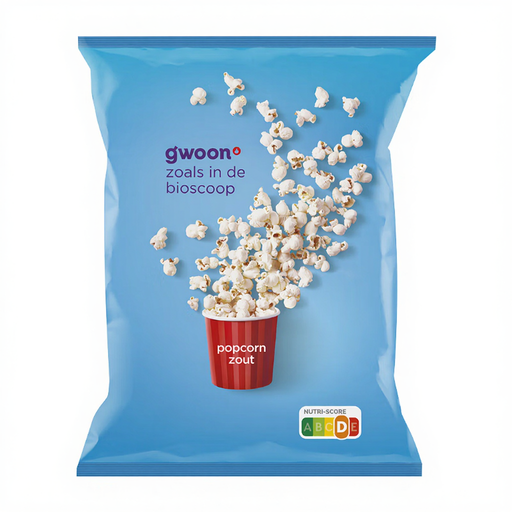
g'woon Salted Popcorn, 100 g
The product description says this popcorn is ready to eat.
The description lists maize, sunflower oil and salt. It also states that the product contains none of the 14 major EU allergens; if you have a specific allergy, always check the latest packaging and any warnings.
View at Joybuy
 No image available
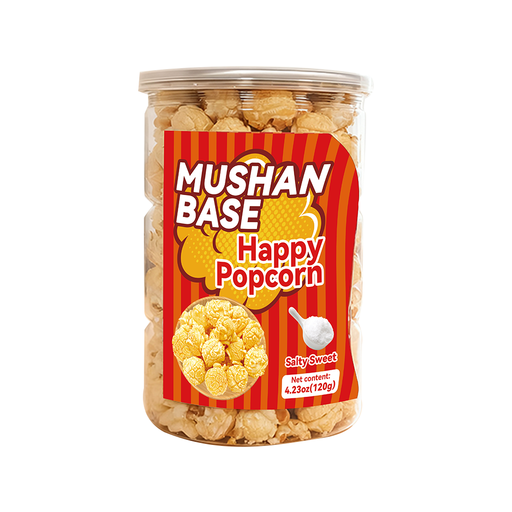
MUSHAN BASE Popcorn Sweet Salty Flavor, 120 g
The product description says this popcorn is ready to eat, so you can enjoy it without any further preparation.
The ingredients information lists soya and warns of the possible presence of gluten. This is relevant if you need to avoid either of these substances; check the latest packaging.
View at Joybuy
Frequently asked questions
Does a takeaway in the Netherlands have to provide allergen information?
Yes. The NVWA says that sellers must inform customers about the specified allergens in the food they prepare or sell. When placing your order, ask about the ingredients and preparation methods for each item.
Does lactose-free mean popcorn is also suitable for someone with a milk allergy?
No, the lactose-free label doesn’t tell you that. Lactose intolerance concerns milk sugar, while a milk allergy concerns milk proteins. If you have a milk allergy, also check the ingredients and any warnings for milk.
Can I skip the allergen information if popcorn is vegan?
No. The Vegetarian Association explains that the V-Label is not an allergen declaration. A vegan label and food allergy information answer different questions.
What does ‘may contain’ mean on a Dutch food label?
It’s a warning about possible unintended presence, for example due to cross-contamination; it doesn’t mean that every pack actually contains the substance. According to the NVWA, rules for warnings based on risk assessments apply from 1 January 2026; a warning must not be used if the relevant reference values are not exceeded.
Does choosing popcorn that suits my diet automatically make my chips order suitable too?
No. Check the chips, seasonings, sauces and other snacks separately. The European Commission states that the rules for gluten-free claims also apply to non-prepacked foods, such as food served in restaurants; also ask about the ingredients and the specific preparation method.


