What should you look for when choosing?
First, identify the dietary requirement that matters most. Then choose the product format and pack size to suit when it’ll be used and how you manage stock.
| What to consider |
What should you check? |
Who is this important for? |
| Specific food allergy |
Check for the relevant allergen in the ingredients list and in the cross-contamination warning on the packaging of the exact variant. |
If you have a specific food allergy, you’ll want to know what’s in the recipe and what warnings are shown. Around 36% of consumers make suitability for a specific allergy their top priority. |
| Avoiding gluten |
Check the current packaging for specific gluten-free information and warnings about relevant gluten-containing cereals. |
If avoiding gluten is your main selection criterion, you need product information that specifically relates to gluten. Around 29% of consumers prioritise this check. |
| Ready to eat or needs preparing |
Check whether it’s ready-to-eat popcorn, microwave popcorn or popcorn kernels; don’t assume information applies across different product formats. |
If you’re looking for a snack you can eat straight away, you won’t want to prepare it first. Around 21% of consumers make ready-to-eat convenience their top priority. |
| Pack size and stock |
Compare the net weight, best-before information and storage advice for unopened and opened packs. |
If you’re putting together a range, you’ll want to choose pack sizes that suit how products are used and how you manage stock. Around 14% of consumers make this a priority. |
Popcorn options at Joybuy
These Joybuy products include ready-to-eat popcorn, a microwave variety and popcorn kernels to prepare yourself. Product names and flavours don’t confirm that a product is suitable for a specific allergy or dietary requirement; check the current packaging to find out.
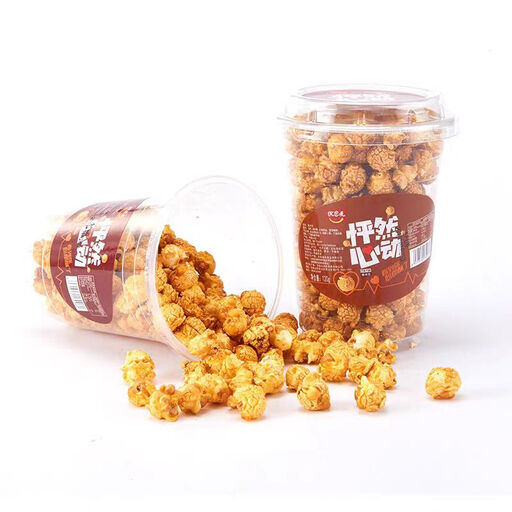 Image unavailable
Yousmai Pengranxindong popcorn, caramel, 120 g
The product description says this variety is ready to eat and lists milk as an allergen.
If you need to avoid milk or another allergen, check the current ingredients and warnings.
View at Joybuy
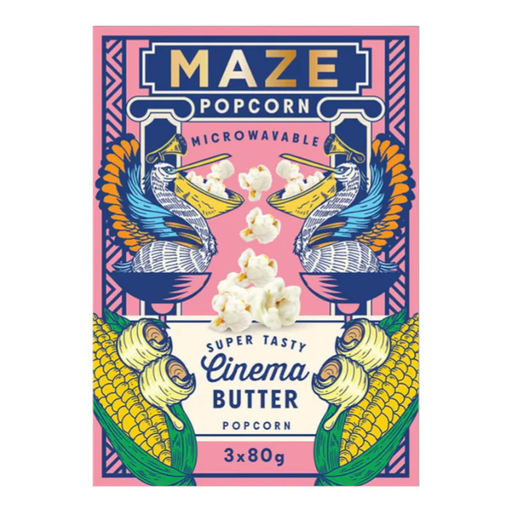 Image unavailable
SNACK MAZE Cinema Butter popcorn, 240 g
The title describes Cinema Butter-flavoured popcorn in a 240 g pack.
The flavour name doesn’t tell you what the ingredients are or whether there’s a risk of cross-contamination. Check the current packaging to see if it meets your dietary needs.
View at Joybuy
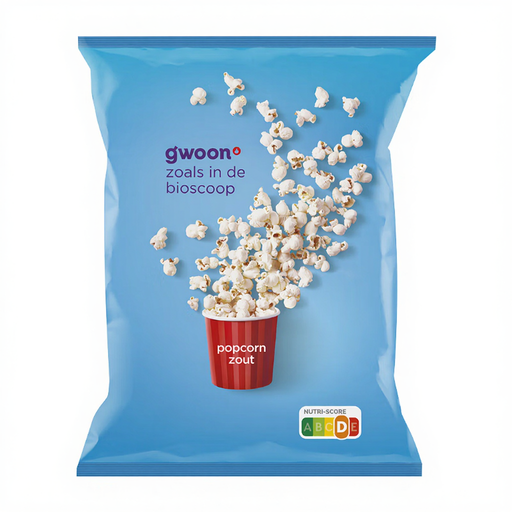 Image unavailable
g'woon salted popcorn, 100 g
The title describes salted popcorn in a 100 g pack.
Check the ingredients and warnings on the current packaging; the product name alone doesn’t tell you whether this variety is suitable for a specific allergy.
View at Joybuy
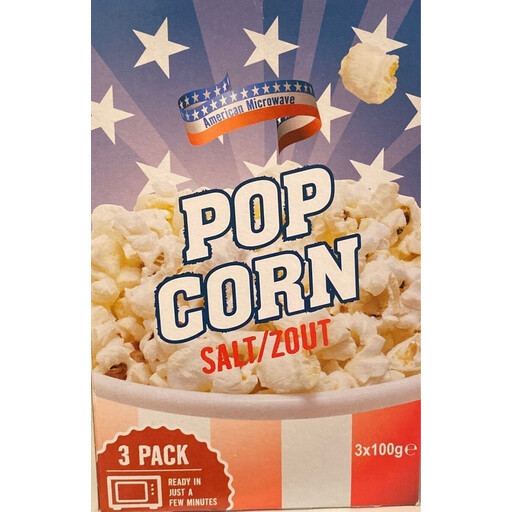 Image unavailable
Pop Corn microwave popcorn, 3 x 100 g
This microwave popcorn needs to be prepared first, so it isn’t a ready-to-eat snack.
The product description lists three 100 g bags. Follow the preparation instructions and check the product information to see if it meets your dietary needs.
View at Joybuy
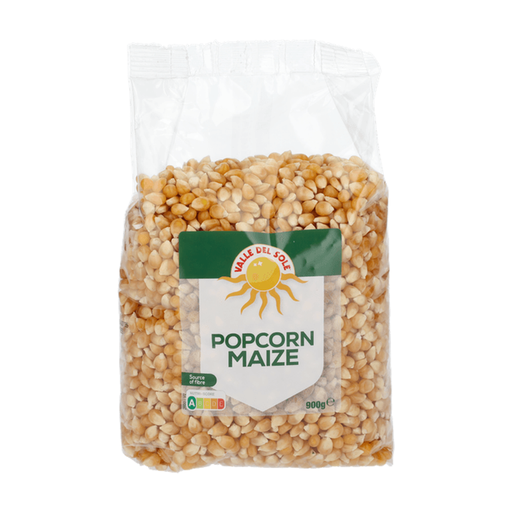 Image unavailable
Valle Del Sole Popcorn Maize Butterfly, 900 g
These are popcorn kernels to pop yourself, not a ready-to-eat snack.
The preparation method described uses a pan and oil. Assess any additional ingredients and the product information separately to check whether they meet your dietary needs.
View at Joybuy
Frequently asked questions
Is lactose-free popcorn also suitable for someone with a milk allergy?
The lactose-free label doesn’t tell you this. Lactose intolerance relates to milk sugar, while a milk allergy relates to milk proteins. If you have a milk allergy, check the ingredients and milk warnings on the exact packaging.
What do cross-contamination warnings on Dutch packaging mean?
Since 1 January 2026, new rules have applied in the Netherlands to warnings about possible cross-contamination. The NVWA lists ‘May contain X’ and ‘Not suitable for people with an X allergy’ as permitted wording. The Dutch Coeliac Society explains that such a warning indicates a possible risk; it doesn’t mean the allergen is definitely present.
What allergen information must a chemist give customers about popcorn?
A business offering food to consumers must tell customers about the allergens present in its products. The NVWA explains this information requirement. If you prepare or repackage food, providing this information is part of the business’s sales process; don’t rely solely on the packaging of the original bag.
Does a chemist need NVWA registration and a food safety plan to sell snacks?
The NVWA requires businesses in the Netherlands that handle food to register and have a food safety plan based on the HACCP system for selling or distributing food. An approved hygiene code can be used for this purpose.
Can you use the same storage period for every type of popcorn?
No. Follow the best-before information and storage advice on the exact packaging. The Netherlands Nutrition Centre distinguishes between best-before and use-by dates, and notes that storage also depends on whether a product has been opened. Don’t automatically apply the same storage period to every type of popcorn.


