What should you look for in popcorn after a workout?
Start with the ingredient you want to avoid. Then compare the portion size and nutritional values, and decide whether you want ready-to-eat popcorn, loose popping corn or microwave popcorn.
| What to consider |
What to look for |
Who should consider this? |
| Suitability for your diet |
Match the claim to the specific ingredient you avoid, and read the allergen warnings on the packaging too. |
If I avoid gluten, lactose or another specific ingredient, I check the exact variant. Around 36% of consumers prioritise dietary suitability. |
| Protein and other nutritional needs |
Albert Heijn lists 8.3 g of protein per 100 g for AH Salted popcorn; based on that label value, a 25 g portion provides 2.075 g. |
If I’m keeping an eye on my protein intake too, I want to know what my portion contributes alongside the rest of my diet. Around 29% of consumers prioritise this nutritional consideration. |
| Portion size |
Albert Heijn lists a 100 g pack and four 25 g portions for AH Salted popcorn. Compare the values on the label with the amount you actually eat. |
If I want a measured snack, I look at my portion as well as the whole pack. Around 21% of consumers start by considering portion control. |
| Preparation |
Check whether the popcorn is already popped, made in a pan or intended for the microwave. Follow the instructions for the specific variant. |
If I want to eat straight after a workout, how much preparation is needed matters; at home, I might prefer to make popcorn myself. Around 14% of consumers prioritise convenience. |
Popcorn products on Joybuy
This selection includes ready-to-eat popcorn and microwave popcorn. Product names and preparation methods don’t in themselves guarantee that a product is free from particular ingredients; check the information on the exact pack to make sure it suits your diet.
 No image available
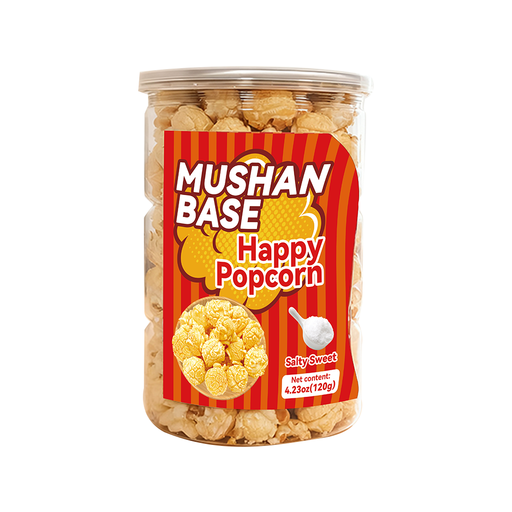
MUSHAN BASE Popcorn Sweet Salty Flavor 120g
A ready-to-eat option if you want popcorn straight from the pack.
Flavour: Sweet Salty Flavor.
Pack weight: 120 g.
View on Joybuy
 No image available
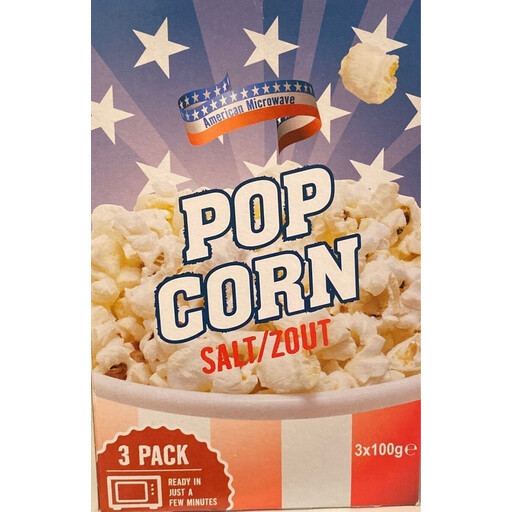
Popcorn 3 x 100 g
A microwave option if you want to make popcorn at home.
Pack: 3 bags of 100 g.
Follow the preparation instructions on the packaging.
View on Joybuy
 No image available
g'woon Salted popcorn 100 g
A salted popcorn option if that’s the flavour you’re after; check the label to see whether it suits your diet.
Pack weight: 100 g.
View on Joybuy
Frequently asked questions
Does lactose-free also mean popcorn is suitable for someone with a milk allergy?
No. Lactose is milk sugar; a milk allergy is a reaction to milk proteins. The Netherlands Nutrition Centre and the Food Allergy Foundation explain the difference. So don’t use a lactose-free claim as proof that a product is suitable for someone with a milk allergy.
Is loose organic popping corn automatically gluten-free?
No. AH Organic Popcorn kernels lists the possible presence of cereals containing gluten, soya and wheat. Check the allergen information on the specific pack, and don’t base your choice solely on the raw ingredient or organic label.
How do I compare a portion of popcorn with my protein intake?
Compare the nutritional values with the amount you actually eat. Albert Heijn lists 8.3 g of protein per 100 g for AH Salted popcorn; a 25 g portion provides 2.075 g based on the label value. The Netherlands Nutrition Centre discusses protein intake after intense exercise in relation to your overall diet.
What should I look out for with microwave popcorn?
Follow the preparation instructions for the exact variant. For Jumbo Microwave Popcorn Salt, the manufacturer says not to restart the cooking process after an interruption.
What allergen information should I check on a Dutch label?
The Netherlands Food and Consumer Product Safety Authority (NVWA) says that mandatory allergen information covers 14 allergens and must appear in the ingredients list. Since 1 January 2026, rules have also applied in the Netherlands on when and how businesses must warn about possible cross-contamination. Check the information on the packaging of the product you buy.


