What should you look for in popcorn after exercise?
Your choice mainly depends on how much protein your portion provides, the quantity and ingredients, how easy it is to prepare, and how it fits into your diet.
| What to consider |
What should you check? |
Who should pay particular attention? |
| Protein per portion |
Calculate portion weight × protein per 100 g ÷ 100. According to Albert Heijn, AH Salted popcorn contains 8.3 g of protein per 100 g; the stated 25 g portion provides around 2.1 g. |
If I want to know how much protein my snack actually provides after training, I calculate it using the amount I eat. Around 36% of consumers put protein content first. |
| Portion size and ingredients |
Compare the same quantity and product state. According to Albert Heijn, AH Sweet popcorn contains 45 g of sugars per 100 g; the values for loose popcorn kernels apply to dried kernels. |
If I want to keep track of the quantity, energy and ingredients, I compare the nutrition information for the exact variety and include any oil or toppings. Around 29% of consumers put portion control first. |
| Preparation and storage |
Choose between ready-to-eat popcorn, microwave popcorn or popping it yourself. Follow the preparation instructions and check the storage instructions for any accompaniment. |
If I’m short on time after exercise or don’t have a microwave, the preparation method plays a part in my choice. Around 21% of consumers prioritise convenience above all else. |
| Diet and allergens |
Check the ingredients, allergens and dietary information on the exact pack, as well as those for any toppings or accompaniments. |
If an allergen or my diet determines my choice, I check each item separately. Around 14% of consumers put dietary suitability first. |
Popcorn products at Joybuy
The products below are different varieties of popcorn. For each pack, compare the nutrition information, portion size and any preparation instructions with what you’re looking for after exercise.
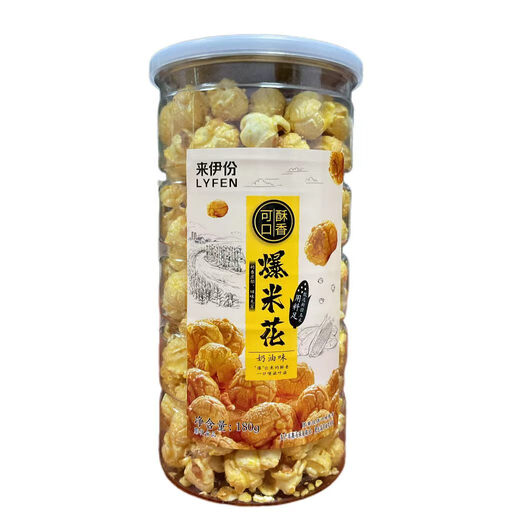 Image unavailable
LYFEN Popcorn 180 g
This ready-to-eat popcorn is a good option if you want to weigh out a portion without any preparation. The product information states 2.2 g of protein per 100 g and a pack size of 180 g. Contains soya; use soon after opening.
Joybuy
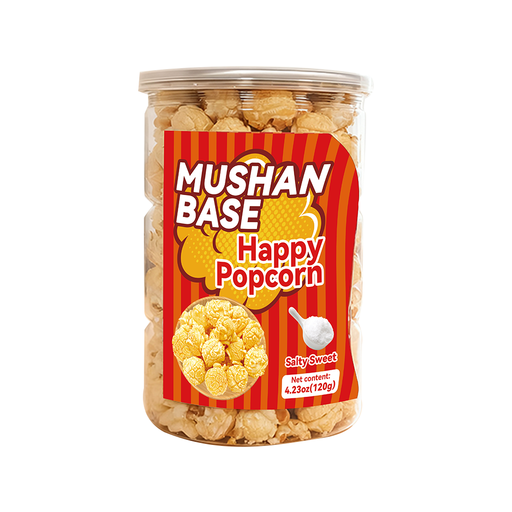 Image unavailable
MUSHAN BASE Popcorn Sweet Salty Flavor 120 g
This ready-to-eat variety is a good choice if you want popcorn that needs no preparation. The product information states 6.2 g of protein per 100 g. Contains soya and may contain gluten.
Joybuy
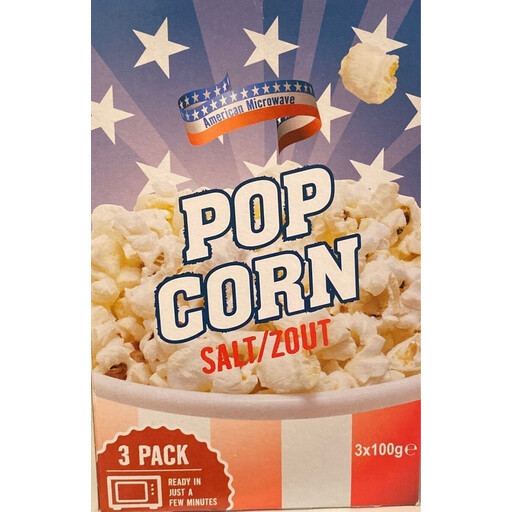 Image unavailable
Pop Corn 3 x 100 g
This variety is a good option if you want warm popcorn and have access to a microwave. The product information states 10 g of protein per 100 g; open carefully as the steam will be hot.
Joybuy
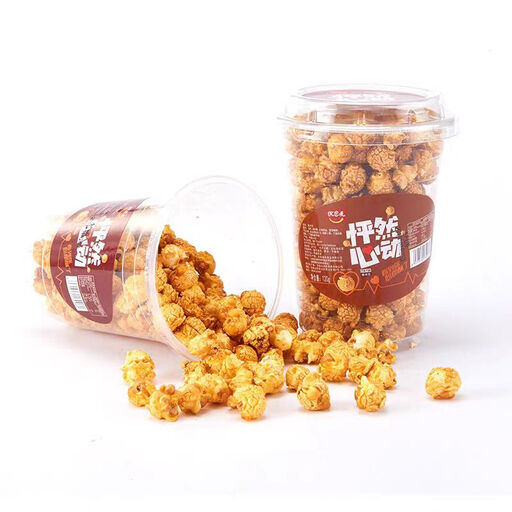 Image unavailable
Yousmai Pengranxindong Popcorn Caramel 120 g
This ready-to-eat caramel variety is a good option if you want popcorn to take with you or eat without any preparation. The nutrition information states 5 g of protein per 100 g; contains milk.
Joybuy
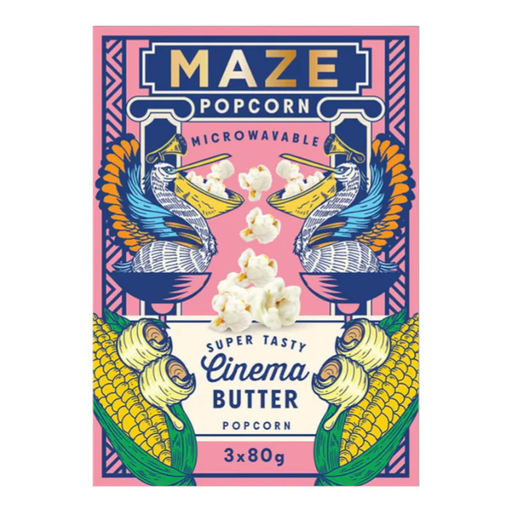 Image unavailable
SNACK MAZE Popcorn Cinema Butter 240 g
If you’re considering this variety, compare the nutrition information and ingredients on the pack with your portion and dietary choices.
Joybuy
Frequently asked questions
Do you need special protein popcorn after recreational exercise?
According to the Netherlands Nutrition Centre, recreational exercisers generally don’t need special protein products. Consider your overall diet and treat the protein in popcorn as one part of it.
How do you calculate the protein in popcorn with quark?
Calculate the protein in each product separately: 25 g of AH Salted popcorn provides around 2.1 g of protein, and 200 g of AH Organic Low-Fat Quark provides around 19 g. Together, that’s around 21.1 g of protein and 242 kcal, based on Albert Heijn’s nutrition information. The quark contains milk and lactose.
How can you stop microwave popcorn from being heated for too long?
Follow the instructions on the packaging. For AH Salted Microwave Popcorn, Albert Heijn says it’s ready when there are 1–2 seconds between popping sounds. Stay by the microwave and open the bag carefully, as it and the steam will be hot.
Does the popcorn and quark combination need to be kept chilled?
According to Albert Heijn, the AH Organic Low-Fat Quark in the calculation example should be kept chilled at a maximum of 7°C. Store the popcorn according to its packaging instructions, and check the use-by information on the label once the quark has been opened.
When can popcorn be labelled high protein?
According to consumer information from the European Union, nutrition claims must meet official definitions and conditions, and must not be misleading. Check the exact claim and nutrition information for the variety; a claim on its own does not prove faster recovery.


