
Check it’s gluten-free first
For people with coeliac disease who want to check the ingredients and relevant warnings for a specific type of popcorn before comparing calories.


If you have coeliac disease, first choose a specific type of popcorn whose gluten-free suitability and labelling meet your dietary needs. Then compare the energy per 100 g with the amount in the portion you actually eat. A small portion does not automatically make popcorn low in energy: for solid foods, the European Commission sets a maximum of 40 kcal (170 kJ) per 100 g for this claim. Making it yourself gives you control over the quantities, but does not in itself prove that popcorn contains fewer calories than a shop-bought option.
For people with coeliac disease who want to check the ingredients and relevant warnings for a specific type of popcorn before comparing calories.
For people who want to eat ready-to-eat popcorn and prefer to weigh their portion and check its energy content in advance, rather than treating a whole pack as one serving.
For people who want to measure out the popcorn kernels and additions themselves, and work in a clean, separate kitchen.
If you have coeliac disease, first check the specific product and the information on the packaging. Then compare the portion size and preparation method that suit your snack break.
| What to consider | What to look for | Who is this important for? |
|---|---|---|
| Gluten-free suitability | Check the specific product, ingredients, gluten-free labelling and relevant warnings. | If I have coeliac disease, I want to check the product and its labelling before comparing calories; around 34% of consumers put this clarity first. |
| Calories per portion | Compare the kcal per 100 g and calculate the amount for the number of grams you eat. | If I want to know the energy content of my snack, I weigh my portion rather than counting the whole bag; around 33% of consumers prioritise this control over portion size. |
| Preparation method | Choose between ready-to-eat, microwave or popping it yourself; follow the instructions for the specific product. | If I want to control the quantities and additions myself, making it at home may fit my routine better; around 20% of consumers put this control first. |
| Flavour and nutritional value | Check the nutrition table and ingredients for your chosen sweet or savoury variety. | If I want a particular flavour, I also want to know what’s in that specific product; around 13% of consumers put flavour first when choosing. |
If you have coeliac disease, you need to check the specific product. A corn-based product or general category page doesn’t, by itself, tell you whether the ingredients and warnings suit your diet.
Check the current packaging and relevant information about possible cross-contamination before choosing based on flavour or calories.
For the ‘low energy’ claim on solid foods, the European Commission sets a maximum of 40 kcal (170 kJ) per 100 g. A smaller portion does not change this threshold.
Note both the number of grams and the kcal in your portion. Only use the ‘low energy’ claim if the value per 100 g meets the applicable condition.
The weight of a pack and the amount you eat are not the same thing. The Voedingscentrum gives 202 kcal in 40 g of salted popcorn as a general example; this is not the nutritional value of a specific shop-bought product.
Weigh the amount you eat and calculate the energy using the nutrition information for that exact product.
When preparing popcorn yourself, it’s important to work cleanly and avoid contact with gluten-containing residue. That doesn’t automatically mean you need to replace all your kitchen equipment.
The Dutch Coeliac Association recommends using clean pans and equipment. Clean them thoroughly and keep gluten-free ingredients and prepared popcorn separate from gluten-containing products.
Albert Heijn lists both ready-to-eat AH Salted Popcorn and AH Microwave Popcorn Salt.
Jumbo lists, among other products, 100 g packs of salted popcorn and microwave popcorn in packs of 3 × 90 g.
ALDI Netherlands lists SUN SNACKS Salted Popcorn in a 100 g pack.
Lidl lists both sweet and salted popcorn under its Snack Day brand.
This selection includes ready-to-eat popcorn, microwave popcorn and kernels to pop yourself. Check the current labelling for each product and calculate the energy content for the portion you actually eat.
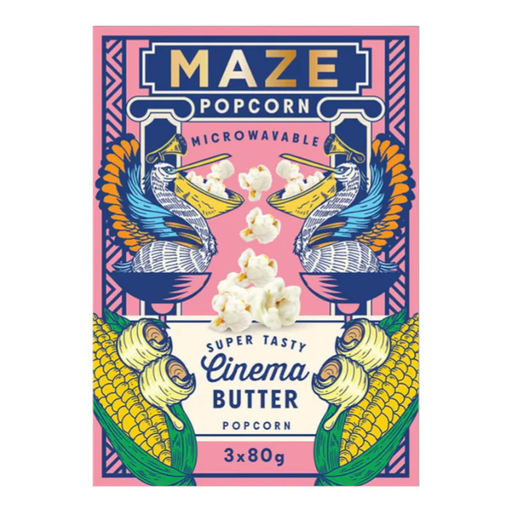 No image available
For a ready-to-eat film-night snack: check the current packaging to see whether this variety is suitable for a gluten-free diet.
The product name specifies Cinema Butter and a 240 g pack. Compare the nutritional value per 100 g and calculate it for your own portion.
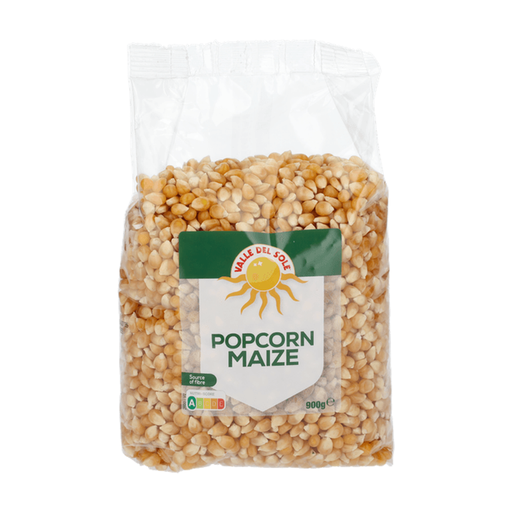 No image available
If you want to pop it at home, first check the ingredients and warnings for this product to see whether it’s suitable for a gluten-free diet.
The product description specifies pan preparation with oil. The amount of oil contributes to the energy content of the prepared popcorn.
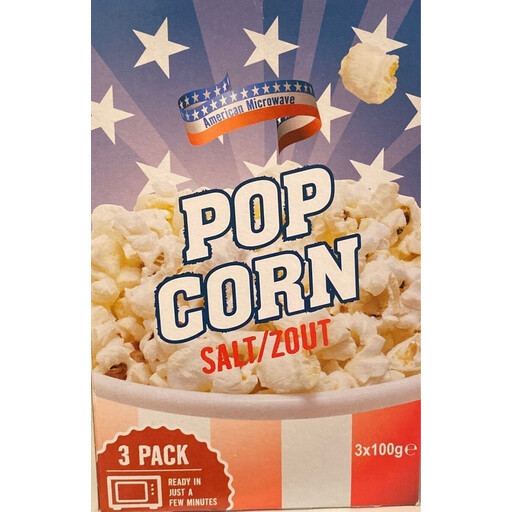 No image available
If you want to make popcorn in the microwave, check the packaging to see whether this variety is suitable for a gluten-free diet.
The product name specifies three 100 g packs, and the description says it’s made in the microwave. Follow the preparation instructions on the packaging.
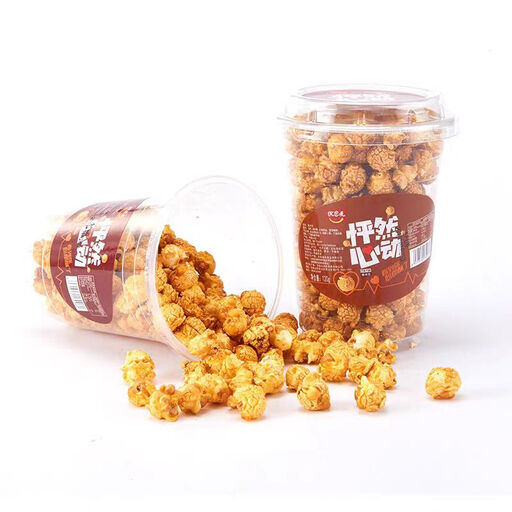 No image available
For a ready-to-eat caramel snack: check the ingredients and relevant warnings on the packaging before choosing this product if you have coeliac disease.
The product description specifies a 120 g pack. Compare the nutritional value per 100 g and decide how many grams you’ll eat.
 No image available
If you’re looking for a salted variety, first check the ingredients and warnings on this specific pack to see whether it’s suitable for a gluten-free diet.
The product name specifies salted popcorn in a 100 g pack. The flavour name alone doesn’t tell you the energy content per 100 g or per portion.
An official certification mark and the legal ‘gluten-free’ label are not the same thing. The European Commission sets out the conditions for using the gluten-free label; the Association of European Coeliac Societies states that this label means no more than 20 ppm of gluten. Check the specific product and relevant labelling, not just the brand.
Not on the basis of a small portion alone. For the ‘low energy’ claim on solid foods, the European Commission sets a maximum of 40 kcal (170 kJ) per 100 g. It’s better to state the substantiated number of kcal alongside a clearly specified quantity.
Take any relevant warning into account when making your choice. Don’t ignore it just because popcorn is mainly made from corn. Since 1 January 2026, the Netherlands Food and Consumer Product Safety Authority has been enforcing new rules on warnings for prepacked foods; the Dutch Coeliac Association explains why warnings about gluten-containing cereals are relevant.
Not automatically. The Dutch Coeliac Association recommends using clean pans and kitchen utensils without gluten-containing residue. Clean equipment thoroughly and prevent contact with gluten-containing products; what you need to keep separate also depends on your kitchen setup.
Keep gluten-free foods well sealed and separate from gluten-containing products, and prevent contact with any residue. Use clean equipment when preparing and serving food.
Read the current packaging before eating the popcorn. Albert Heijn warns that ingredients, nutritional values and allergy information may change, so don’t rely on older online information to disregard conflicting details on the packaging.