
Photographers capturing fine water ripples
If you want to capture small patterns on the water clearly, focus on shutter speed, focusing and the lens you use. Nikon explains how a fast shutter speed can freeze movement.


Start by deciding which details you want to capture and how far they are from the bank. Then compare lens reach, focusing and adjustable shutter speed – not just the number of megapixels. A compact camera with built-in zoom means less separate equipment to carry, while a mirrorless camera gives you more choice of lenses. A polarising filter can reduce glare, but it may also weaken a reflection you want to photograph.
If you want to capture small patterns on the water clearly, focus on shutter speed, focusing and the lens you use. Nikon explains how a fast shutter speed can freeze movement.
If you want to preserve reflections of trees or the sky in the water, decide for each shot whether reducing glare matters more than keeping the reflection. Canon discusses capturing reflections on still water; Nikon explains that a polarising filter can reduce reflections.
If you want to frame a distant subject from a path, compare the optical reach of the complete camera-and-lens combination. The Consumers’ Association highlights zoom range and camera size as factors to consider.
First decide whether you want to capture ripples, a reflection or a distant subject. Then compare the lens, controls and equipment that suit your needs.
| What to consider | What to look for | Who is this most important for? |
|---|---|---|
| Keeping fine ripples sharp | Check whether you can adjust the shutter speed and assess sharpness with the lens you plan to use. | If I want to capture small water patterns clearly, I look at shutter speed and the lens; around 31% of consumers prioritise detail on the water’s surface above all else. |
| Preserving reflections | Decide whether you want to use a polarising filter and assess its effect on the reflection. | If trees or the sky reflected in the water are the subject, I don’t want a filter to reduce that reflection; around 25% of consumers prioritise preserving reflections. |
| Reach for distant subjects | Compare the optical reach of the exact lens or camera with the framing you want from your shooting position. | If I want to photograph details on the far bank without moving closer, the reach of the lens combination matters; around 19% of consumers make this their top priority. |
| Portability on a walk | Compare the size and weight of the complete setup and, if possible, try out the controls. | If I want a camera that’s easy to take along on a walk in the park, the weight of the whole setup matters; around 13% of consumers prioritise portability above all else. |
| Complete camera kit | Check which lens is included and whether you’ll need any extra accessories. | If I want to know in advance what comes with the camera, I check the kit contents; around 12% of consumers make the complete purchase their first consideration. |
The image sensor, lens and image processing all contribute to image quality. The megapixel count alone doesn’t tell you how sharply the combination captures fine details.
Assess the exact camera-and-lens combination and the shutter speed settings for the shot you want to take.
A polarising filter can reduce reflections on water, but it can also weaken a reflection that is the subject of your shot.
For each shot, decide whether you want to preserve the reflection or reduce glare.
With a mirrorless camera, you may need a suitable lens to get the reach you want; a compact camera has a built-in lens.
Check which lens comes with the version you’re considering and whether it offers the reach you need. With a mirrorless camera, a separate lens may mean extra equipment to carry.
The EOS R50 is an APS-C mirrorless camera for anyone looking to choose an RF or RF-S lens.
The RX100 VII has a built-in zoom; the α6700 is a mirrorless camera with interchangeable E-mount lenses.
The X-S20 is a mirrorless camera to consider if you want to compare X-mount lenses and RAW shooting.
The Z50II is a mirrorless camera to consider if you’re looking at an electronic viewfinder and interchangeable lenses.
These cameras are options to compare for pond photography, including zoom models and cameras for still outdoor shots. Check that the lens range and included equipment suit your subject for each version.
 No image available
The built-in zoom may suit you if you want to frame distant details from the bank.
The product information lists 18× optical zoom.
 No image available
The stated zoom may be useful if you want to frame a distant subject from a fixed position.
The product title lists 12× optical zoom; an SD card is not included.
 No image available
This version may suit you if you want to compare a camera that comes with a zoom lens.
The product name lists a 16–50 mm zoom lens. Check that the range suits your shooting position.
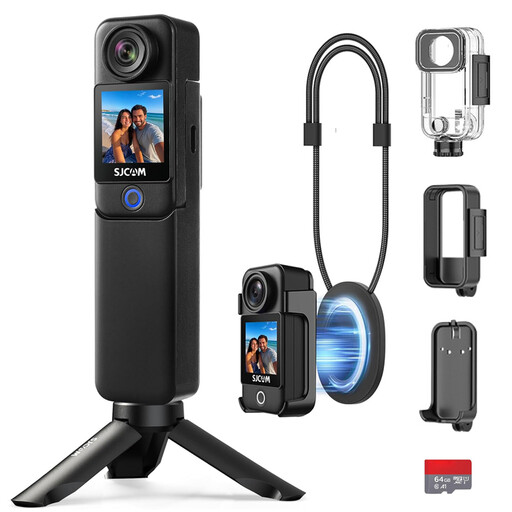 No image available
An action camera to compare if you want to capture wide outdoor scenes as well as details at the pond.
The stated ultra-wide angle can give you a broad view, but is less suited to distant details.
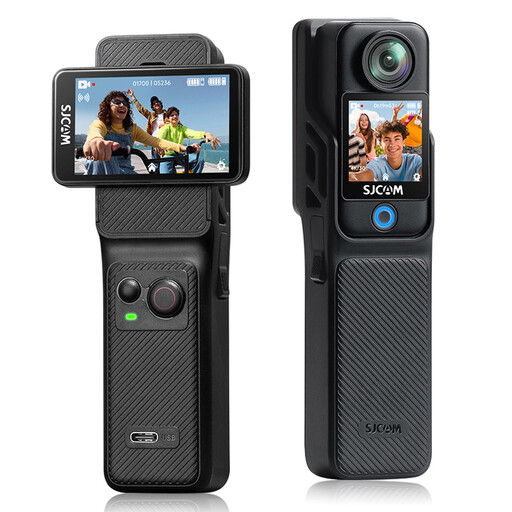 No image available
This action camera may suit you if you’re comparing compact cameras for outdoor activities.
The product title lists a 154° wide-angle lens, which may make distant details appear small in the frame.
Not necessarily: choose a shutter speed based on how you want the water to look. Nikon explains that a fast shutter speed can freeze movement, while a longer exposure can make water look smoother. A tripod helps reduce camera shake during a long exposure.
Use one only if you want to reduce reflections. Nikon explains that a polarising filter can reduce reflections on water; leave it off if the reflection itself is your subject.
According to the Dutch government, there is no fixed period for the statutory guarantee in the Netherlands, and a product must be fit for purpose. Contact the seller if there’s a fault; what you’re entitled to depends on the circumstances, and damage caused by your own actions isn’t automatically covered.
Sharing a photo publicly may involve different privacy rules from private use. The Dutch Data Protection Authority distinguishes between personal or household use and wider publication; if people are identifiable, you may need a legal basis under the GDPR if the personal-use exemption doesn’t apply. Also check the rules of the specific park before taking photos there.