
Same-day & Next-day Delivery

Quality Guaranteed

Unlock Your Welcome Offers: FREE Delivery | Up to 80% OFF | Free 30-day JoyPlus trial
Download the APP
The fruit drink aisle can be overwhelming. Dozens of bottles vie for your attention, each promising refreshment and flavour. Especially when you're looking for a specific taste like pomegranate, it's easy to get lost. Unfortunately, this often leads to a disappointing purchase because the product isn't what the label suggests.
As a Joybuy Product Recommendation Officer, I see the challenges consumers face every day. Before you make a choice, it's wise to be aware of a few common pitfalls:
By paying attention to these points, you can avoid disappointment and choose a drink that truly suits you.
You don't need to be a label expert to make a smart choice. Focus on the following three points, and you'll know exactly what you're getting.
The most important indicator of how a drink fits into your lifestyle is its sugar content. Look at the nutrition table for the "of which sugars" line per 100 ml. This gives you an honest picture.
The percentage of actual fruit juice determines the depth and authenticity of the flavour. For example, a pomegranate fruit drink might contain only 5% pomegranate juice, supplemented with cheaper apple or grape juice. A higher percentage (e.g., 20% or more) usually results in a richer flavour. This also applies to other flavours like a raspberry drink or cranberry juice.
What is the main ingredient? The ingredients list is always in order of quantity.
Based on these objective criteria, we have highlighted several products that cater to different needs and preferences.
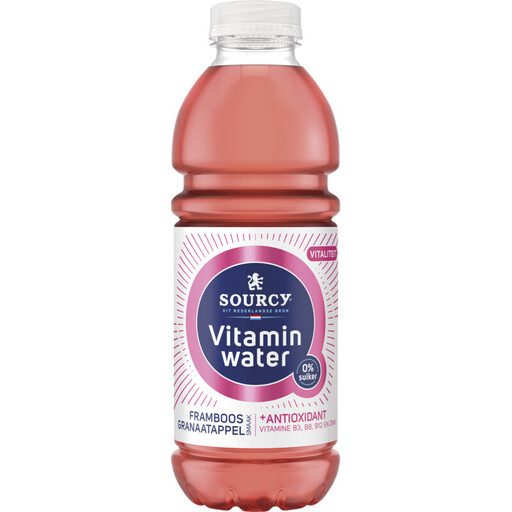
Why This Fits Their Persona: Perfect for those seeking a flavourful yet responsible daily beverage. Ideal next to the water bottle on your desk or for after a workout, without worrying about sugar.
This product bypasses the sugar trap entirely. The label states 0% sugar and uses sweeteners for flavour. Its base is spring water, making it a light and refreshing thirst quencher.
Contains added vitamins (B3, B8, B12) and zinc. The 1-litre bottle is convenient for home use.
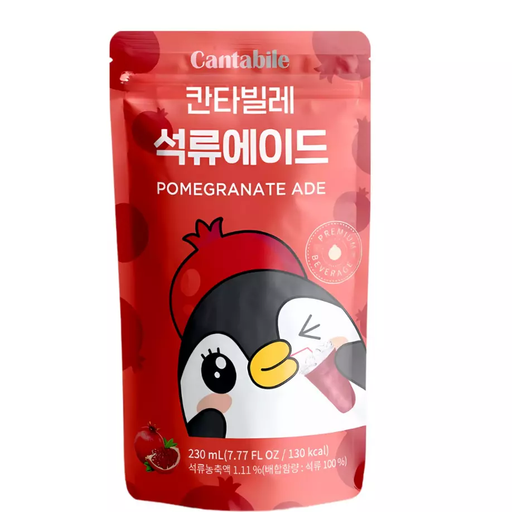
Why This Fits Their Persona: For those who want something different from the standard supermarket flavours. This South Korean 'ade' offers a sweet, rich pomegranate experience in a convenient on-the-go pouch.
This product is honest about what it is: a sweet 'ade', not pure juice. The ingredients list clearly shows white sugar and pomegranate juice concentrate, so you know you're buying a treat, not a health drink.
Unique, full, and sweet flavour that differs from European drinks. The pouch packaging with a straw is practical for on the go.
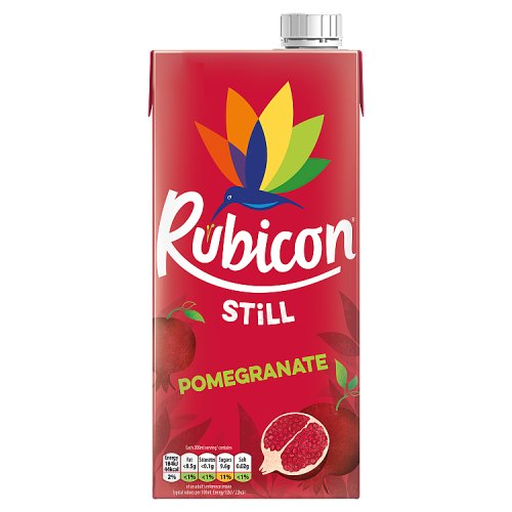
Why This Fits Their Persona: A one-litre carton with an accessible, fruity flavour that appeals to many. A good middle ground between an overly sweet soft drink and pure juice, ideal for sharing or keeping in the fridge.
This product is transparent about its fruit content. It states a 28% fruit juice content, of which 23% is pomegranate. So you know you're buying a fruit drink with a significant amount of real juice, not just flavoured water.
Contains added vitamin C. The sugar content (4.5 g per 100 ml) is moderate compared to many other fruit drinks.
We have compiled a complete, up-to-date list of products that meet these selection criteria and comply with UK & EU regulations.
1. What is the difference between pomegranate juice and pomegranate nectar? Pomegranate juice, especially if it's "100% juice," consists purely of the juice from the fruit. Pomegranate nectar is a mix of pomegranate juice, water, and usually sugar. Nectar is often sweeter and less intense in flavour than pure juice and has a lower percentage of actual fruit juice.
2. What is the best way to store an opened bottle of fruit drink? Once opened, a bottle of fruit drink should always be stored in the refrigerator with the cap tightly secured. Most products remain fresh for several days (usually 3 to 5) after opening. The exact shelf life is always stated on the packaging.
3. Are sugar-free drinks with sweeteners a good choice? Sugar-free drinks are a functional choice for those looking to limit their sugar and calorie intake. The sweeteners used, such as sucralose and stevia, are approved for consumption within the EU. The choice is personal: some people enjoy the taste, while others prefer the taste of real sugar or pure juice without any additives.
