
Vandaag of morgen in huis

Kwaliteit gegarandeerd

Welkomstaanbiedingen ontgrendelen: GRATIS bezorging | Tot 80% korting | Gratis 30 dagen JoyPlus-proefperiode
Download de app
The fruit drink aisle can be overwhelming. Dozens of bottles and cartons compete for your attention, often with colourful labels promising healthy and refreshing contents. But a closer look at the fine print reveals a different reality. A beverage marketed as 'with pomegranate' isn't always what it seems.
Before you fill your shopping basket, it's wise to be aware of a few common pitfalls. This will help you avoid paying for marketing instead of quality.
sugar-free fruit drink might sound like a responsible choice, but it can be full of artificial sweeteners. Other drinks contain an unexpectedly high amount of sugar from concentrate, which quickly adds up the calories.To make a choice that fits your needs, it's helpful to check three key points on the label. This will help you see through marketing claims and focus on the actual contents.
The name on the packaging says a lot about the contents. EU regulations make a clear distinction here:
DubbelFrisss or many types of vitamin water fall into this category.A pomegranate drink is therefore not the same as pure pomegranate juice. Always check the juice percentage in the ingredients list.
Look beyond the front of the package and analyse the nutritional information table. Pay special attention to the line "Carbohydrates, of which sugars". This figure includes both naturally occurring sugars and added sugars. A drink with 10 grams of sugar per 100 ml can quickly deliver 25 grams of sugar in a standard glass (250 ml), comparable to a soft drink.
Looking for a low-calorie option? Then drinks sweetened with sweeteners (like sucralose or stevia) are an alternative. Brands like Sourcy often offer a sugar-free fruit drink that contains hardly any calories.
The packaging is designed for the occasion. Large 1.5-litre cartons are convenient for families and home use, while small bottles or handy squeeze pouches, like those found with some Korean drinks, are ideal for on the go.
You'll also find many flavour combinations, such as the popular raspberry cranberry drink or surprising mixes like flavoured coconut water. Consider the occasion for which you're buying the drink and the flavour profile you're looking for: pure fruit, a sweet treat, or a hydrating thirst-quencher.
Based on clear product features, we have selected a number of options that suit different needs and preferences.
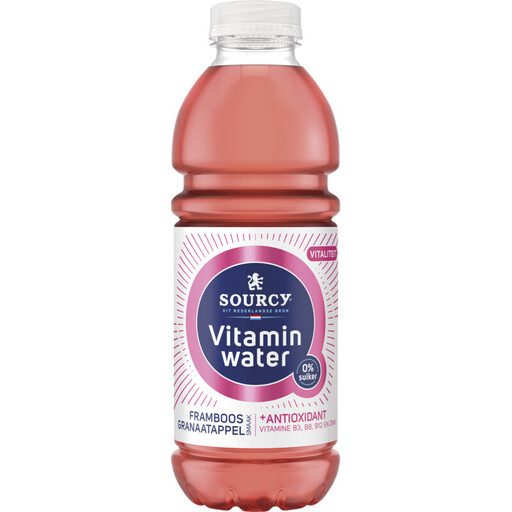
Why This Fits Their Persona: Ideal for those who are conscious of their sugar and calorie intake but still want a flavourful thirst-quencher. This vitamin water is a practical alternative to water or soft drinks.
This product is transparent about what it is: a sugar-free drink based on spring water with flavour and sweeteners. It doesn't pretend to be pure juice, and the nutritional values (0% sugar) confirm this.
0% sugar and very low in calories (only 1 kcal per 100 ml). According to the manufacturer, vitamins and zinc have been added.
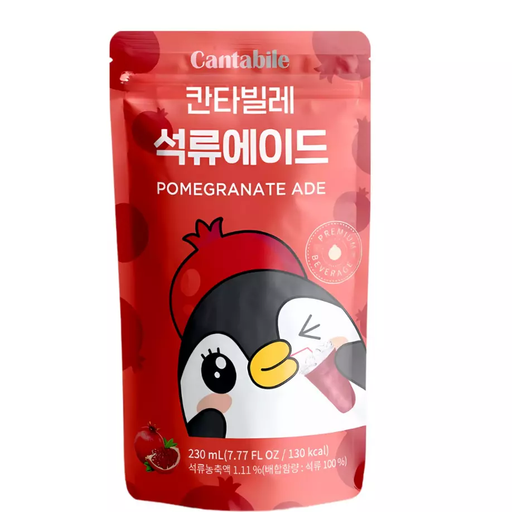
Why This Fits Their Persona: Perfect for young people and students interested in international trends. This Korean drink offers a different taste experience from standard Dutch fruit drinks, and the packaging is convenient for on the go.
The name 'Ade' (lemonade-like) and its origin make it clear that this is a sweet, refreshing treat, not a pure juice. The expectation is a flavourful thirst-quencher, not a health product.
Offers an authentic Korean drinks experience. The handy pouch packaging with a straw is ideal for consumption on the go.
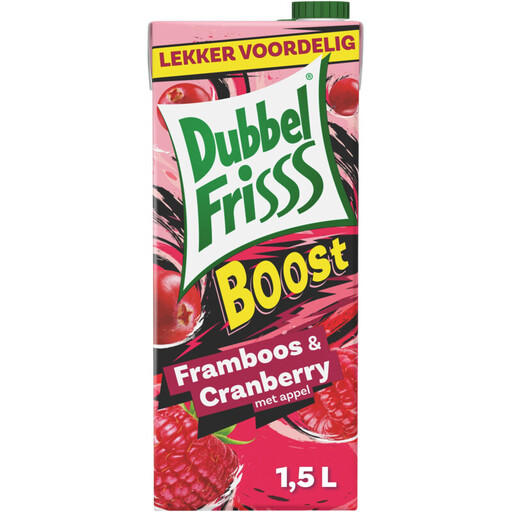
Why This Fits Their Persona: A well-known and popular choice for families looking for a bulk package for home use. The combination of raspberry and cranberry is an accessible flavour for both adults and children.
DubbelFrisss positions itself as a 'fruit soft drink' and clearly states the juice content (15%). There is no deception that it is pure juice; it is a deliberate choice for a refreshing mixed drink.
The large 1.5-litre bottle offers good value for money for family use. The flavour is a well-known and beloved raspberry cranberry drink.
We have compiled a complete, up-to-date list of products that meet these selection criteria and current regulations.
The main difference is the percentage of fruit. 100% pomegranate juice consists entirely of juice from the pomegranate, with no added water or sugar. Pomegranate drink is a broader term for a water-based beverage, using pomegranate juice (often from concentrate) as a flavouring. The juice content is typically much lower, and sugars, sweeteners, and flavourings are often added.
Once opened, fruit drinks should always be stored in the refrigerator. Seal the bottle or carton tightly. Most manufacturers recommend consuming the contents within a few days (usually 3 to 5). Always consult the instructions on the packaging for the specific shelf life after opening.
Not necessarily. Although they contain few or no calories and sugar, they are sweetened with artificial or natural sweeteners. For people looking to limit their calorie intake, this can be a good option. Others prefer drinks without any sweeteners. A 'healthy' choice depends on your personal diet and preferences. Water remains the most neutral thirst-quencher.
