
Researcher with local map files
You store maps and project materials on your device and want to know which file formats and linked files you can open before buying.


For historical maps, documents and files stored locally, an iPad or Android tablet may be suitable if the apps you need can open your files. For a specific GIS project, test it on the exact device first. Choose a Windows tablet if your research workflow requires a particular Windows programme, but check that the app, any plug-ins and drivers are compatible too. A project file may also contain references to map layers and settings, as described in the QGIS documentation.
You store maps and project materials on your device and want to know which file formats and linked files you can open before buying.
You compare historical maps with documents and regularly add handwritten notes to PDFs. Screen size and the right stylus matter to you.
You take your tablet to different locations and want to balance portability, screen space and material stored in advance.
Start with the apps and files you actually need. Then compare reading space, stylus use and portability. Storage capacity alone doesn’t prove that a project file will work.
| What to consider | What to look for | Who is this more important for? |
|---|---|---|
| Files and software | Check whether the app you need can open the file extension and linked map layers on the exact device. | If I want to use my own GIS projects, I need to know that the whole workflow works, not just that files can be copied over. Around 36% of consumers prioritise project files and software compatibility. |
| Reading maps | Compare screen size and resolution using a map you work with yourself. Also consider how long you’ll be holding the tablet. | When map details need to stay large and easy to read on screen, screen space matters more to me than having the most compact size possible. Around 29% of consumers prioritise viewing maps and documents. |
| Annotating sources | Check stylus compatibility, the features of the PDF app and whether the stylus you want is included with the specific model. | If I often make notes directly on scans or PDFs, I need a stylus that works with my tablet and app. Around 21% of consumers prioritise annotating sources. |
| Portability and offline reading | Balance size and weight against local storage, and test in advance whether you can open files in the app you plan to use without a network connection. | When I want to consult material in the field, I need to save it in advance and open it without a connection. Around 14% of consumers prioritise portability and reading files locally. |
A local GIS project may need a suitable app and linked map layers. Being able to transfer files doesn’t prove that the app can open the project.
Make a note of the file extensions and features you need, then test a complete project, including its associated files, on the exact tablet model.
Apple doesn’t list a Pencil in the box contents for the iPad (A16). Microsoft says the stylus and keyboard for the first-edition Surface Pro 12-inch are sold separately.
Check which accessories are included with each model and whether they work with the tablet.
A suitable stylus or keyboard may therefore need to be bought separately.
A similar model name doesn’t necessarily mean the generation, connectivity, storage or bundle contents are the same.
Compare the full model number, generation, connectivity, storage and included accessories before choosing a model.
The Galaxy Tab S10 FE is an Android option for annotating PDFs, with expandable storage available on some models.
The 11-inch iPad (A16) is an iPadOS option for documents and files transferred locally, provided the apps you need are available.
The Idea Tab Plus is an Android option for anyone looking for more screen space. The 12.1-inch model with 256 GB mentioned here is listed as a bundle with a stylus.
The Surface Pro is a Windows tablet option for a desktop-focused study or file workflow, provided the software you need works on your chosen model.
These Joybuy products are Android tablets for viewing maps and documents and storing study materials locally. If you have a specific GIS project, always check first that the app and project files you need work on your chosen model.
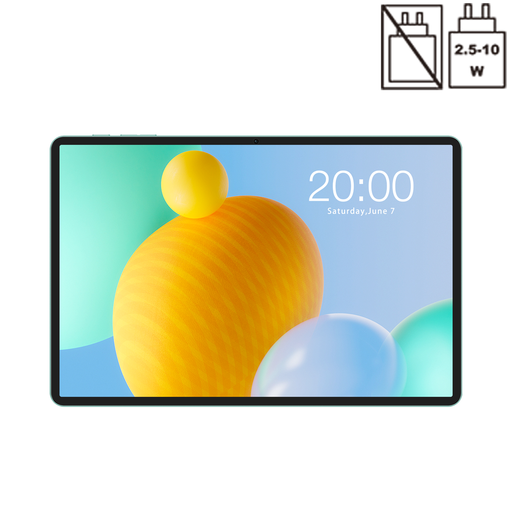 No image available
An option for viewing maps and documents and storing study materials locally. Test project files and the app you need separately.
11-inch IPS screen, 128 GB ROM, 4G LTE and GPS.
 No image available
A writing-focused option for reading and making notes locally. Check that the apps you need for maps and project files are available.
10.65-inch E Ink screen.
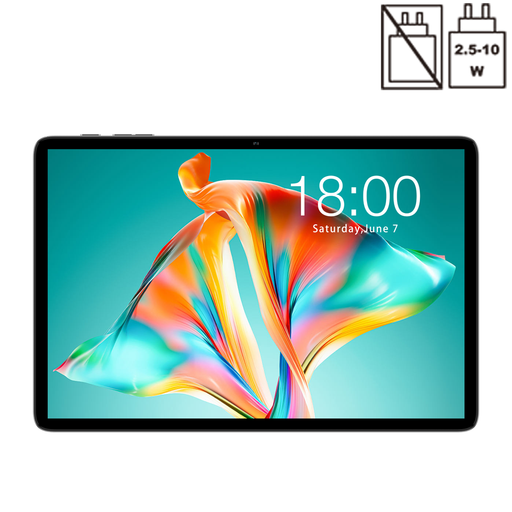 No image available
An option for local study and map files. Check that the app you need can open your own project files.
10.1-inch screen, 128 GB storage and MicroSD support.
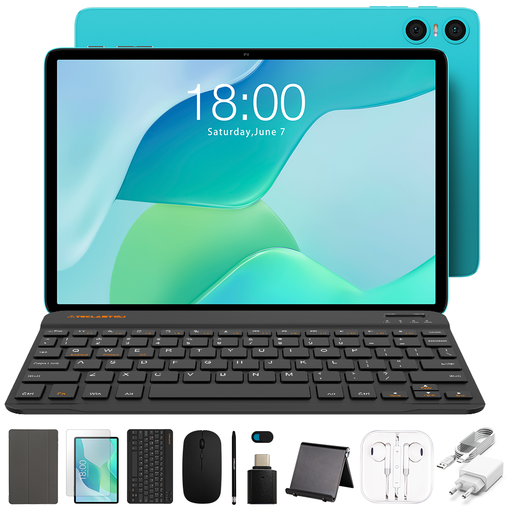 No image available
A bundle option for documents and notes. Check in advance that the included stylus and apps suit the way you work.
10.1-inch screen and 64 GB storage. The bundle mentioned includes a stylus, keyboard and case.
 No image available
A larger-screen option for maps and documents, with a stylus for making notes. Bear its larger size in mind if you’ll be carrying the tablet around often.
12.1-inch 2.5K screen, 8 GB RAM and 256 GB storage.
You can transfer files to your device, but whether a project opens afterwards depends on the file format, linked files and suitable app. Apple describes file transfers using the Files app and external storage; Google describes USB storage on compatible Android devices. Test a representative project on the exact tablet you’re considering.
Don’t assume that a map selection will be available offline: Topotijdreis displays historical maps on a website, but this doesn’t confirm that you can save an offline copy. Save any material you’re permitted to use locally in advance and test it without a connection.
The process depends on the device and app. Apple describes copying files using the Files app and an external storage device; Samsung Notes explains how to import and annotate PDFs with the S Pen, depending on the features available on your device. Keep a verifiable copy of the original source file too.
According to ACM ConsuWijzer, for an ordinary online purchase of goods, you generally have a statutory cooling-off period of up to 14 days after delivery; ACM’s guidance also lists exceptions. You’re also entitled to a legal guarantee covering what you could reasonably expect from the product under normal use. A manufacturer’s warranty period doesn’t automatically set the limit of that right.