
Vandaag of morgen in huis

Kwaliteit gegarandeerd

Welkomstaanbiedingen ontgrendelen: GRATIS bezorging | Tot 80% korting | Gratis 30 dagen JoyPlus-proefperiode
Download de app
If you're a regular cyclist, you know the feeling: the low-hanging sun reflecting off a wet road, or the blinding glare that obstructs your view just as you head into a turn. A good pair of sports sunglasses isn't a luxury; it's essential for comfort and safety. Yet, the search for the right pair is often more challenging than it seems. The market is flooded with marketing jargon and models that don't always deliver on their promises.
Before you invest in a new pair of glasses, it's wise to understand the most common pitfalls:
This guide will help you look past the marketing hype and choose polarized cycling glasses that genuinely enhance your cycling enjoyment and performance.
To avoid a bad purchase, there are a few technical specifications you need to check. These determine the quality, comfort, and safety of your glasses.
This is arguably the most important feature. Polarized lenses contain a special filter that blocks horizontal light waves. This is the type of light that causes glare when it reflects off surfaces like water, wet asphalt, or the hood of a car. Anti-glare cycling glasses with polarization provide a calmer, sharper view, allowing you to see road imperfections or obstacles better and faster. A standard pair of sunglasses just makes everything darker, whereas a polarized lens enhances contrast and clarity.
Long hours on the bike mean significant sun exposure. That's why cycling glasses with UV400 protection are indispensable. This specification guarantees that the lenses block nearly 100% of harmful UVA and UVB rays. This not only protects your eyes from direct damage but also reduces eye fatigue during long rides. Always check if a pair of glasses has this certification; it's a standard for quality sports eyewear.
Whether you're looking for men's road cycling glasses or mountain bike glasses, comfort is largely determined by the frame. You'll barely feel a lightweight cycling glasses, which prevents irritation. Many modern frames are made of TR90, a thermoplastic material known for its flexibility, durability, and light weight. A good frame, combined with adjustable nose pads and anti-slip temple tips, ensures the glasses stay securely in place, even on rough terrain or at high speeds.
Based on these objective criteria, we have selected a few models suitable for different types of cyclists.
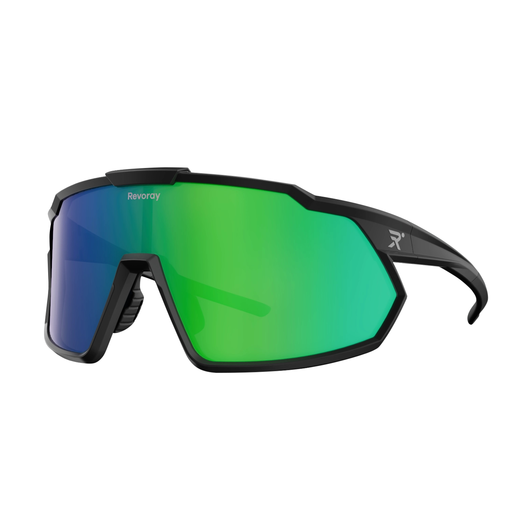
Why this fits: These glasses are designed for serious mileage. The polarized lenses effectively filter glare from the asphalt, while the ultra-light 33-gram frame ensures you'll barely feel them on long rides.
The adjustable anti-slip nose pads and flexible TR90 frame prevent the glasses from slipping. The lenses feature a scratch-resistant coating and offer true HD TAC polarization.
Meets the ANSI Z87.1 standard for impact resistance, providing extra protection. The lenses have a hydrophobic and oleophobic coating.
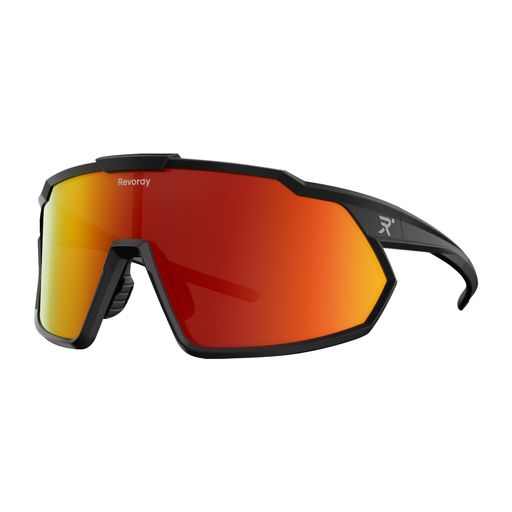
Why this fits: For rides on unpaved trails where light and shadow alternate quickly. The polarized lenses improve visibility of the terrain, while the robust TR90 frame is built to be durable. The striking color adds extra style.
The flexible and stable TR90 frame with anti-slip temple tips stays perfectly in place on bumpy terrain. The lenses provide clear, polarized vision without distortion.
Combines a low weight (approx. 33g) with a high degree of flexibility and impact resistance, ideal for the dynamic conditions of mountain biking.
These are just a few examples. There are more models that meet the strict criteria for safety and performance. Explore our full, up-to-date collection.
Standard polarized sports sunglasses are not always the default. Many glasses only have a UV filter and a color tint that dims the light. A polarized pair has an additional filter that specifically neutralizes the horizontal glare from surfaces like a wet road or water. This results in a calmer view, better color perception, and enhanced contrast, allowing you to judge depth and details more accurately.
Yes, you certainly can. Although the effect of polarization is most noticeable in bright sunlight and on reflective surfaces, a good pair of polarized glasses also offers benefits on overcast days. The lenses enhance contrast, making the environment appear clearer and sharper. However, pay attention to the Visible Light Transmission (VLT) of the lens. For very dark, cloudy days, a lens with a higher VLT (a lighter tint) is more comfortable.
Start by rinsing the glasses under lukewarm, running water to remove sand and dust. Then, use a few drops of mild, pH-neutral soap and gently rub the lenses with your fingers. Rinse the glasses thoroughly again and dry them with a soft, clean microfiber cloth. Never use your shirt, paper towels, or harsh cleaning agents, as they can damage the coatings and the lens itself.
