
Vandaag of morgen in huis

Kwaliteit gegarandeerd

Welkomstaanbiedingen ontgrendelen: GRATIS bezorging | Tot 80% korting | Gratis 30 dagen JoyPlus-proefperiode
Download de app
Polarised sports sunglasses can reduce distracting glare during activities on the water, on the road or on the sports field. However, a dark lens alone tells you little about protection, comfort or suitability. Many buyers focus mainly on the colour and appearance, when it’s the lens specifications, fit and interchangeability that determine whether sunglasses remain practical for everyday use.
For anglers, golfers, cyclists, baseball players, sailors and drivers, there are three common pitfalls:
According to the product information, UV400 refers to protection against ultraviolet light up to 400 nanometres. UV400 protection is listed in the product specifications for the OutdoorMaster Hawk HD models. Always check the specific product listing when buying, and keep the information for the variant you choose.
Polarisation has a different purpose: the lens is designed to reduce distracting reflections, for example from water, wet tarmac, glass or snow-covered surfaces. This can be useful as fishing sunglasses, sailing sunglasses or driving sunglasses. However, a polarised lens is not a substitute for an appropriate protection category or safety glasses for professional work.
VLT stands for Visible Light Transmission. A high VLT lets more light through, making it better suited to cloudy conditions. A lower value is generally intended for bright, sunny weather.
The models mentioned come in several lens options:
If you wear one pair of sunglasses for both a sunny cycle ride and a cloudy walk, sports sunglasses with interchangeable lenses could be a good choice. Just remember to hold the lens by its edges to help prevent scratches.
A TR90 pair of sports sunglasses has a lightweight, flexible frame. The OutdoorMaster Hawk HD series product description describes TR90 as a memory-shape material, designed to provide a flexible fit for different face shapes.
When choosing, look for:
Sports sunglasses are not automatically suitable for protecting your eyes against lasers, welding arcs or heavy impacts. Use the product only for the purposes stated on the product page and packaging.
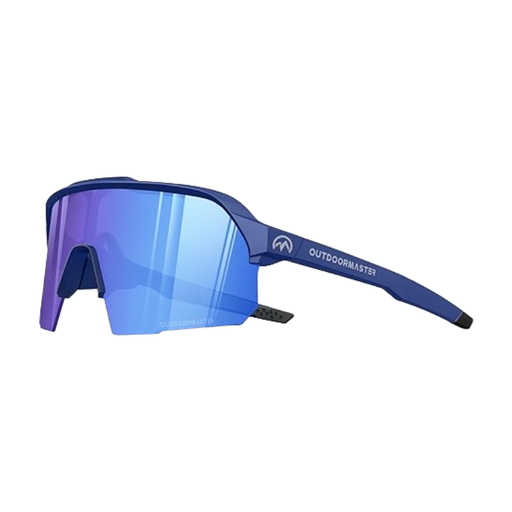
Why it suits this profile: This variant has a polarised grey lens, a lightweight TR90 frame and a clear spare lens for different outdoor conditions.
The product specifications list both polarisation and UV400 protection. The included clear lens means you don’t need a new pair of sunglasses for every light condition.
TR90 frame, polarised HD lens, UV400 according to the product information, and a protective case with a microfibre cloth.
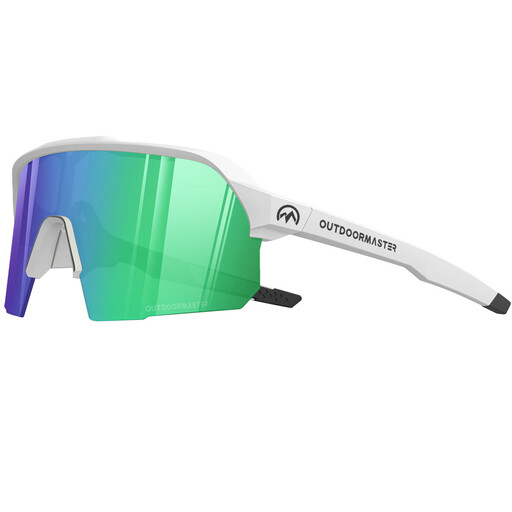
Why it suits this profile: A VLT of 12% is designed for bright outdoor light. The product description highlights colour enhancement and use for cycling, running and other sports.
The low VLT is clearly stated, so you’re less likely to choose this variant by mistake for dark or highly changeable conditions. A clear lens is also included.
HD lens with impact-resistant properties according to the product description, TR90 frame and interchangeable clear lens.
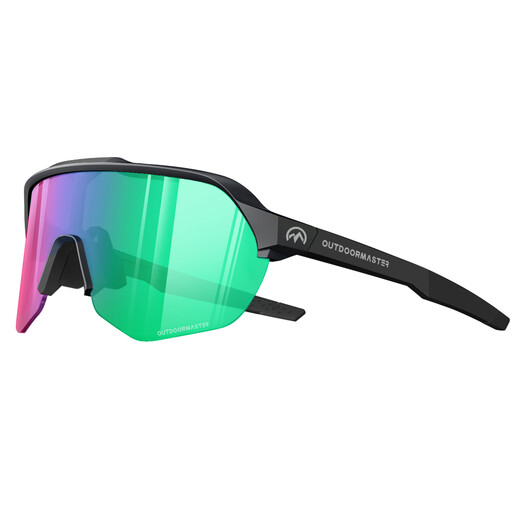
Why it suits this profile: With a VLT of 48%, this variant is a good option for people who often encounter cloudy or changeable light, for example when cycling, playing golf or baseball.
The lens isn’t designed solely for bright sunshine. The higher VLT and included clear lens give you more options when light conditions change.
VLT 48%, polarised HD lens, TR90 frame and a lens system with a clear spare lens.
We’ve put together a full, up-to-date list of products that meet these strict selection criteria and the applicable European safety regulations.
Polarised sunglasses will stay in good condition for longer if you handle the lenses with care:
That depends on the lens colour, VLT and fit. Polarisation can reduce reflections from wet tarmac and other surfaces. A very dark lens is less suitable when driving into a tunnel or in low light. Check the conditions and switch to a clear lens if needed.
Their lifespan depends on use, storage and care. A TR90 frame can be practical for active use, but even a sturdy frame can be damaged. Scratches, loose parts and a poor fit are signs that it’s time to replace your sunglasses. There’s no set lifespan that applies to every wearer.
No. UV400 and polarisation describe different properties. According to the product information, UV400 relates to ultraviolet light, while polarisation is designed to reduce distracting glare. Check that both features are listed separately in the product specifications.
