
Vandaag of morgen in huis

Kwaliteit gegarandeerd

Welkomstaanbiedingen ontgrendelen: GRATIS bezorging | Tot 80% korting | Gratis 30 dagen JoyPlus-proefperiode
Download de app
Polarised sports sunglasses can be useful when fishing, cycling, playing golf, sailing or driving. However, a dark lens does not automatically mean that you will have clear vision. Some models reduce glare but let too little light through. Other sunglasses feel secure in the shop but shift as soon as you start sweating or moving.
That is why you should focus on the technical details rather than terms such as “HD”, “sporty” or “professional”. Below, we outline the main pitfalls, specifications and three product choices for different situations.
A dark lens is not the same as a lens with UV protection. Check whether the product description states UV400 protection. According to the product information for the OutdoorMaster Hawk models, the lenses block 100% of the stated UV400 radiation. This is a claim from the manufacturer’s product description; when purchasing, also check the current information, markings and safety documentation.
Polarisation can reduce distracting glare from water, wet roads and smooth surfaces. This is relevant when choosing sports sunglasses for fishing, sunglasses for sailing and sunglasses for driving. However, a polarised lens does not automatically make your surroundings clearer at dusk, in cloudy conditions or on a wooded route.
That is why you should look at the VLT value: Visible Light Transmission indicates how much visible light the lens allows through. A higher VLT is generally more suitable for changing or less bright conditions, while a low VLT blocks more light in strong sunshine.
Sunglasses that feel light do not necessarily remain comfortable during a long cycle ride or a full day by the water. Pay attention to the material, fit and supplied storage case. According to the product specifications, the Hawk models mentioned use TR90. The product information describes this material as lightweight and shape-retaining. Also check that the sunglasses fit securely without creating pressure points around your nose, temples or ears.
A polarised lens is particularly practical for dealing with horizontal glare. Examples include reflections on water while fishing, glare on a golf course or light reflected from wet road surfaces when driving. With sports sunglasses for golf, it may also be important that colours and contrast are not unnecessarily distorted.
The OutdoorMaster Hawk variants differ in terms of light transmission:
A higher VLT value can be more practical in changeable weather. A lower VLT value is more suited to bright light. Never use sunglasses to look directly at the sun, or as protection against lasers, welding arcs or other specific hazards.
UV400 sunglasses is a commonly used designation for protection against ultraviolet light up to 400 nanometres. Check that this information is clearly stated for the product and that the lens is not damaged. Scratches can affect your vision and, according to the product information, are a reason to replace the lens.
For road cycling, baseball and other active sports, impact-resistant sunglasses may be a relevant product specification. According to the manufacturer, the Hawk products feature impact-resistant HD lenses. This does not make them suitable as safety glasses for industrial hazards.
Sunglasses with interchangeable lenses offer greater flexibility when conditions change. The three models below are supplied with a clear replacement lens. This allows you to switch lenses in cloudy or low-light conditions, provided you handle the lens carefully by its edges.
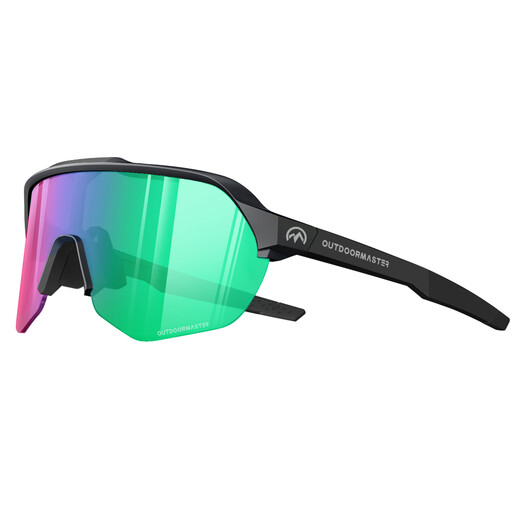
Why it suits this profile: The RoseRed lens, with a stated VLT of 48%, is designed for situations with changing outdoor light, such as recreational cycling, fishing, golf or walking.
The product description mentions both polarisation and UV400 protection. The supplied clear lens provides an option for cloudy or brighter conditions.
TR90 frame, polarised HD lens, clear replacement lens and hard case according to the product details.
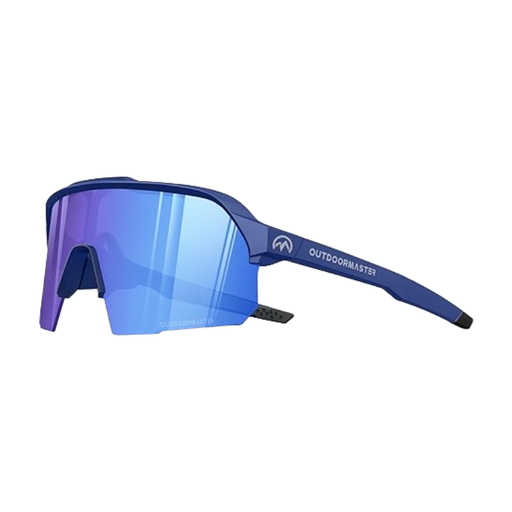
Why it suits this profile: The grey polarised lens, with a stated VLT of 17–18%, is suitable for bright weather and activities where reflections can be distracting, such as sailing, cycling and driving.
The specifications state a clear VLT value, polarisation and an interchangeable clear lens. This makes it easier to adapt the model to bright or cloudy weather.
TR90 frame, HD lens, stated UV400 protection, clear replacement lens and supplied hard case.
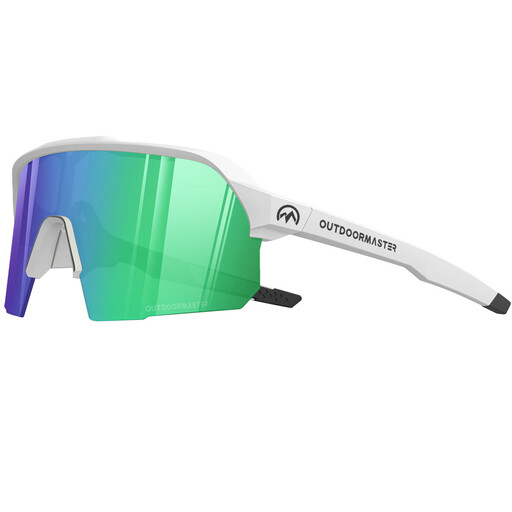
Why it suits this profile: The stated VLT of 12% is designed for bright light. This can be suitable for intensive use on open water, while cycling, on the sports field or on the golf course.
The product details mention an impact-resistant HD lens, TR90 frame and a clear lens for lower-light conditions. This means the sunglasses are not limited to one type of outdoor weather.
Stated VLT of 12%, interchangeable clear lens, TR90 material and UV400 protection according to the product description.
Clean the lenses with the supplied microfibre cloth. Do not use rough paper tissues, as these can cause small scratches. Store the sunglasses in the supplied case when you are not using them. With polarised sunglasses with a case, the lenses also remain better protected in a cycling bag, boat locker or sports bag.
Bear the following in mind when changing lenses:
Sports sunglasses do not have a fixed lifespan. Much depends on use, drops, sweat, salt water and storage. A case and regular cleaning can help prevent unnecessary wear.
We have compiled a complete, up-to-date list of products that fully meet these strict selection criteria and the applicable European safety regulations.
They can be, particularly when reflections from wet roads or other smooth surfaces are distracting. However, check that the lens is not too dark for tunnels, shady roads or driving at night. A model with a clear replacement lens offers greater flexibility, but it cannot replace proper lighting or attentive driving.
That depends on the weather and surroundings. In bright sunshine, a lower VLT, such as 12%, may be suitable. In cloudy or changing conditions, a higher value, such as 48%, may be more practical. Also consider colour rendering and choose a clear lens if you regularly take part in activities in low light.
There is no general lifespan. Regularly check the lenses and frame for scratches, cracks and a loose fit. Replace the sunglasses or lens when damage affects your vision or the way the lens is secured. Storing them in a case, cleaning them with a microfibre cloth and handling interchangeable lenses carefully can help extend their useful life.
