
Listening in a shared room
You want to listen to a reading through headphones without disturbing others in the room. The choice between an open-back and closed-back design matters here: open-back headphones can let sound escape.


For Dutch poetry readings, closed-back headphones are a sensible choice if you want to minimise the sound that reaches other people. Active noise cancelling can also help with persistent low-level background noise. Open-back headphones may suit a quiet, private space, but bear in mind that sound can leak out. When choosing, focus on how clearly voices come through, how comfortable the fit is during longer listening sessions and whether the connection works with your playback device.
You want to listen to a reading through headphones without disturbing others in the room. The choice between an open-back and closed-back design matters here: open-back headphones can let sound escape.
You listen to several readings in a row and want a comfortable fit that lasts. The Dutch Consumers’ Association notes that on-ear headphones can put more pressure on your ears.
You listen around a persistent hum and want to know whether noise cancelling will help. Sony says this feature works best with constant ambient noise in the low to mid-frequency range.
Start by checking how clearly and naturally voices come through, then consider the fit and the environment you’ll be listening in. The Dutch Consumers’ Association also uses speech clips in its headphone tests, making voice clarity worth considering alongside individual specifications.
| What to consider | What should you check? | Who should pay particular attention? |
|---|---|---|
| Clear voice reproduction | If possible, listen to a familiar Dutch voice recording at a similar volume and pay attention to clarity and sound. | If you mainly want to follow the speaker’s voice, articulation and pauses, voice reproduction should be your priority. Around 40% of consumers say this is their most important reason for buying. |
| Comfort during long listening sessions | Check the fit and ear cushions. If you wear glasses, also see how the headphones sit over them. | If you listen to several readings in a row, you’ll want a comfortable fit that doesn’t start to press on your ears. For around 30% of consumers, comfort during extended wear is the most important reason for buying. |
| Noise isolation | Decide whether you mainly want to stop others hearing your reading or reduce a constant hum around you. Noise cancelling doesn’t work equally well against every type of sound. | If you share a room or want to reduce background noise, weigh up sound leakage and the type of ambient noise. Around 20% of consumers prioritise noise isolation or reduced background noise. |
| Connectivity and ease of use | Check the connection on your playback device, whether the required cable is included and which features are available when using the headphones wired or wirelessly. | If you want a straightforward connection to your phone, computer or another audio source, compatible connectivity is essential. For around 10% of consumers, connectivity and ease of use are the most important buying factors. |
With an open-back design, sound may be audible to others in the same room, particularly at higher volumes.
If you’re in a quiet room with other people, a closed-back design is usually a better choice. Save open-back headphones for somewhere sound leakage won’t be a problem.
Sony says noise cancelling works best with constant sound in the low to mid-frequency range. Changing voices may still be audible.
Think about the sounds you want to reduce, and also consider the fit and how clearly the reading itself comes through.
JBL quotes up to 70 hours with Bluetooth on and noise cancelling off, and says battery life is shorter in other conditions.
Compare quoted battery life only when the settings are the same, and bear in mind how you’ll use the headphones.
The WH-CH720N is a closed-back, wireless over-ear option with noise cancelling and the ability to listen via cable.
The Tune 770NC is a foldable, wireless over-ear option with noise cancelling and multipoint connectivity.
The TAH4209BK/00 is a wireless on-ear option for anyone who doesn’t want over-ear headphones.
The HD 560S is an open-back, wired over-ear option for a quiet listening space where sound leakage is acceptable.
These products are designed for personal listening without a room speaker, with wired and wireless options in a range of headphone styles. Check the features and connections of each model to make sure they suit your readings and playback device.
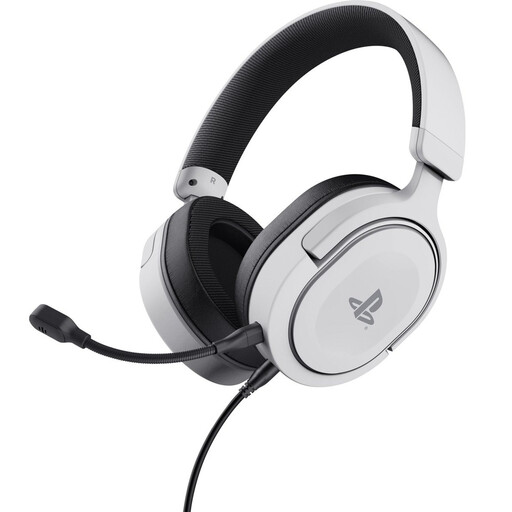 No image available
The wired over-ear design may suit personal listening. Check for yourself whether it feels comfortable and reproduces the reading clearly.
The product name specifies a wired connection, 50 mm drivers and an official PS5 licence.
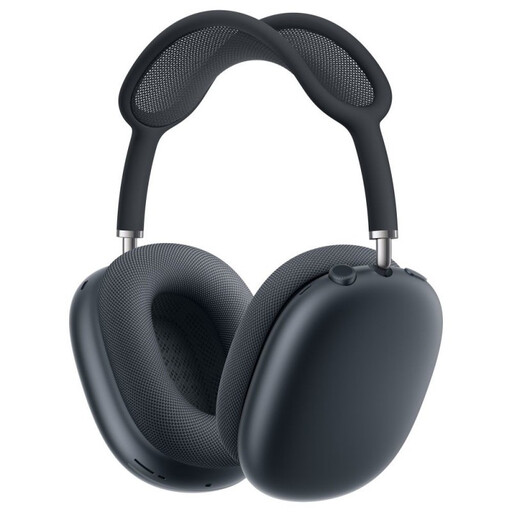 No image available
For personal listening without a room speaker, focus on the fit and whether the voice reproduction suits your preferences.
The product name specifies the Midnight colour.
 No image available
If you want to switch between wireless and wired listening, check that the available connections are compatible with your playback device.
The product name specifies Noise Cancelling, 60 hours of battery life and a black finish. The product information lists Bluetooth and an included 3.5 mm audio cable.
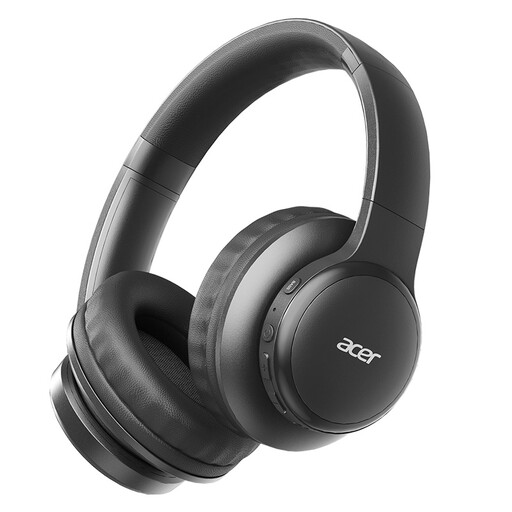 No image available
The wireless over-ear design may suit personal listening. Check the fit and connection with your playback device.
The product name specifies Bluetooth 5.3 and a foldable design.
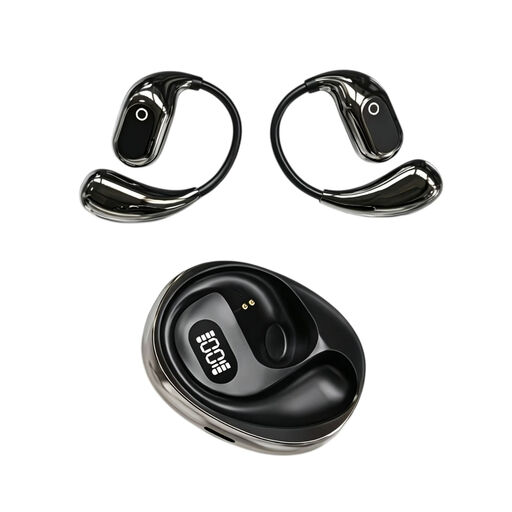 No image available
This on-ear option is designed for personal listening. Check that its connection and intended use are suitable for playing poetry readings.
The product name mentions simultaneous translation in 144 languages, a built-in microphone and a USB-C charging case.
No, noise cancelling doesn’t remove all voices. Sony says it works best with constant sound in the low to mid-frequency range; changing speech may still be audible. So also consider the fit and how clearly the reading comes through.
Start at a low volume, don’t automatically turn it up to drown out background noise, and take breaks. The World Health Organization gives a maximum of 40 hours a week at an average of 80 dB as an example; at higher sound levels, safe listening time decreases. This isn’t a recommended volume setting for any specific model.
Check that the plug and any adapter are compatible with your playback device. According to Sennheiser, the HD 560S has a detachable cable; Sony lists a stereo mini-jack input and passive wired operation for the WH-CH720N.
When you buy from a business at a distance, you generally have a 14-day cooling-off period, subject to legal exceptions, according to the Dutch Government. This is separate from your rights if a product develops a fault during normal use: in that case, contact the seller. Check the terms that apply to your order.
Bluetooth equipment must meet the applicable requirements for radio equipment. The Dutch Authority for Digital Infrastructure says manufacturers apply a CE marking when radio equipment meets all applicable requirements; a statement on a sales page alone doesn’t prove that an individual item is compliant.