
Vandaag of morgen in huis

Kwaliteit gegarandeerd

Welkomstaanbiedingen ontgrendelen: GRATIS bezorging | Tot 80% korting | Gratis 30 dagen JoyPlus-proefperiode
Download de app
Making bubble tea at home sounds easy, but not every product pack offers the same level of convenience. Sometimes you’re mainly buying powder and still need to find tapioca pearls, cups and straws. In other cases, a large bag works out cheaper per serving, but some of it may sit in your cupboard for months.
So when comparing bubble tea products, look beyond the flavour name, colour or picture of a full cup. Check the contents, preparation method, allergens and amount needed per serving.
The term bubble tea kit can mean different things. Some sets contain only bubble tea powder. Others include tapioca pearls but no wide straws. So check that the set really contains everything you need, and how many servings it makes.
According to the product information, the JENI PLAYB Bubble Tea Kit Classic Milk Tea contains three kits, weighing 255 g in total. Each kit includes milk tea powder, tapioca pearls and a straw. That gives you a clearer idea of what’s included than packaging that simply promises a “complete experience”.
A 1 kg bag may seem appealing if you use it often, but it isn’t necessarily practical for a family that only makes a drink now and then. Check the stated number of servings, the best-before date and the storage instructions.
The JENI Taro Flavor Powder is stated to make up to around 30 servings. That could suit a café or a household with several fans of taro. For occasional use, a smaller cup mix may be more convenient.
Words such as “creamy”, “natural” or “authentic” tell you little about what’s in the product. Check the ingredients list and allergen information. Milk tea and topping powders may contain ingredients such as milk, vegetable fats, sugar and flavourings.
Also look out for colourings and sweeteners. For example, the product information for various powders lists milk as an allergen or notes that traces of soya may be present. Always check the packaging before use, as labels and recipes can change.
A good comparison starts with three questions:
A ready-made set is handy for beginners and parties. Bubble tea powder on its own gives you more flexibility: you can adjust the proportions of milk, water or tea to suit your taste. Always check whether the powder is suitable for hot, cold or both types of preparation.
Milk tea powder is designed to make a tea-based drink with a creamy flavour. Taro bubble tea has a sweet, earthy flavour and is often made with milk or water. Coconut bubble tea works well in smoothies, milk tea, desserts and ice cream.
A multi-purpose powder is worth considering if you want to make more than just drinks. According to the product information, JENI Coconut Flavor Powder can be used in milk tea, smoothies, coffee, cakes, desserts and ice cream. These are suggested uses from the product description, not a guarantee that every recipe will have the same flavour intensity.
When buying food products, always check:
The Classic Milk Tea kit lists milk as an allergen and notes that traces of soya may be present. Some other products state that they do not contain any of the 14 main EU allergens. Always use the most recent packaging as your guide.
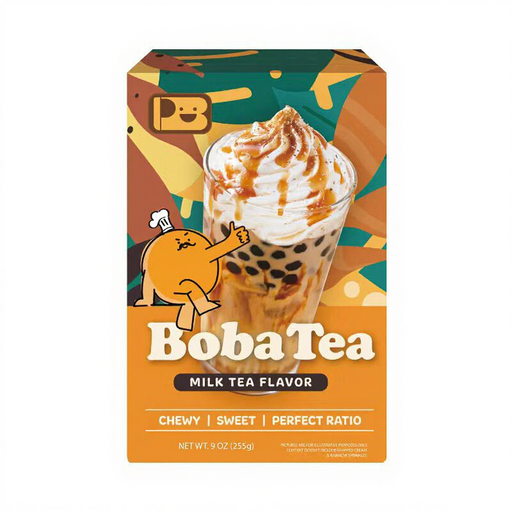
Why it suits this profile: This set contains three individual kits, making it a good way to try making bubble tea at home without buying a 1 kg bag straight away.
The product information specifically lists milk tea powder, tapioca pearls and straws. So you won’t need to find these items separately.
Three kits; classic milk tea flavour; preparation instructions included, according to the product description.
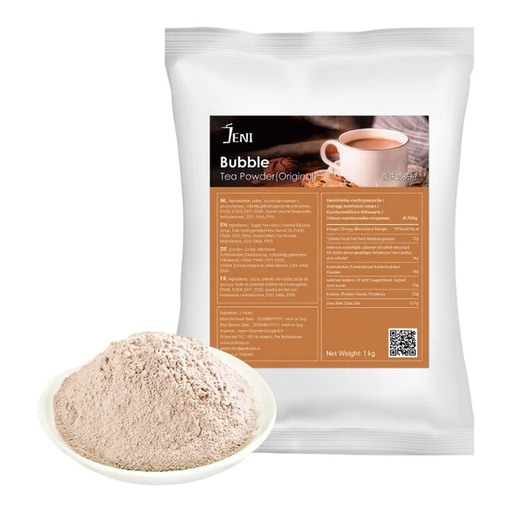
Why it suits this profile: The 1kg pack is aimed at fans who make milk tea regularly and want to measure out the base themselves.
You won’t need to buy lots of small sachets if you’re making several servings. Just check the serving size and best-before date on the label.
1kg pack; intended for milk tea, bubble tea and iced tea; contains milk, according to the product information.
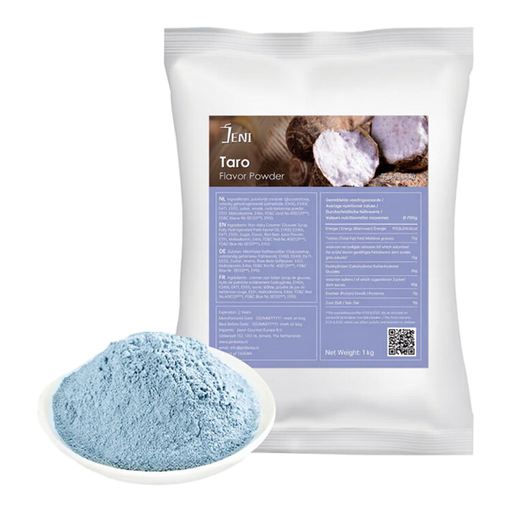
Why it suits this profile: According to the product information, this taro bubble tea powder makes up to around 30 servings. It can also be used in smoothies, milkshakes and desserts.
The stated pack size and serving information make it easier to plan how much you’ll use and how much to keep in stock.
1kg pack; taro flavour; suitable for drinks and desserts; milk listed as an allergen.
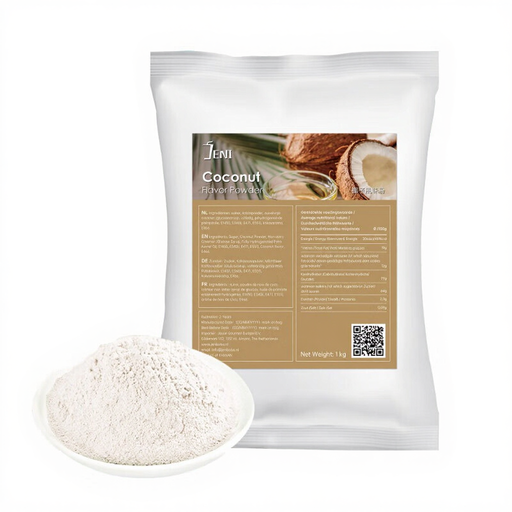
Why it suits this profile: A good choice if you want to make smoothies, coffee, cakes, desserts or ice cream as well as coconut bubble tea.
This powder isn’t limited to just one drink, so you can use it in other recipes before finishing the bag.
1kg pack; dissolves in hot and cold drinks according to the product information; none of the 14 main EU allergens listed.
We’ve put together a complete, up-to-date list of products that meet these strict selection criteria and the applicable European safety regulations.
If you’re using a ready-made kit, follow the instructions on the packaging. You’ll often prepare the powder with water or milk first, then add the tapioca pearls. With a bubble tea mix on its own, you may need to add milk, tea, ice and pearls yourself. Only use wide straws if they’re suitable for the pearls.
It depends on the product. Check the best-before date and the instructions on the packaging. Prepared tapioca pearls usually have a much shorter shelf life than dried pearls. It’s best to make your drink just before serving, and only store leftovers if the label says you can.
The cost depends on the pack and the number of servings. A kit costs more per serving when it includes straws and pearls, but means fewer extra items to buy. A bag of bubble tea powder or milk tea powder may work out cheaper per serving if you use it regularly. Remember to factor in milk, ice, tapioca pearls and any cups too.
