
Rehearsing with an audible fan
You want your voice to remain clear while practising, and you’re paying attention to microphone placement and the difference between microphone noise reduction and noise isolation for the listener.


Start with a microphone you can position close to your mouth, then make a test recording with the fan running: earcup noise isolation doesn’t tell you how clean the recording will sound. A podcast-focused headset is a good fit if you want to record and listen back at the same time; a USB headset may be enough for simple PC rehearsals, provided the connection is compatible. Manufacturers’ specifications don’t compare recording quality in the conditions created by your fan.
You want your voice to remain clear while practising, and you’re paying attention to microphone placement and the difference between microphone noise reduction and noise isolation for the listener.
You want to listen back to both language versions for pronunciation, plosives and a natural sound, rather than judging them solely on speech intelligibility.
You want to record without a complicated audio set-up, so choosing the right USB version or analogue connection is especially important.
First, choose a recording set-up that works with your device. Then make a test recording to hear how the fan and both language versions sound.
| What to consider | What should you check? | Who is this important for? |
|---|---|---|
| Fan noise | Check whether the claim relates to the microphone or the earcups, whether the microphone boom is adjustable, and how a recording sounds with the fan running. | If I’m practising in the same room as a running fan, I want to hear whether my voice comes through clearly in the recording. Around 36% of consumers rank this concern as their top priority. |
| Sound in both languages | Record the same short text in both languages and listen back for intelligibility, plosives and changes in vocal tone. | For a bilingual intro, I want to assess pronunciation and sound in both versions, not just how clear I sound in a conversation. Around 29% of consumers put this need first. |
| Connection and set-up | Compare the exact version with your device’s ports and check that both the microphone input and headphone output work. | If I want to record and listen back without extra equipment, the entire set-up needs to connect to my computer or interface. Around 21% of consumers name this connection as their first requirement. |
| Comfort and listening back | Check the fit, mono or stereo playback and controls. Assess the recording itself, rather than just the noise isolation you hear while wearing the headset. | For repeated rehearsals, I want to listen comfortably and operate the headset easily. Around 14% of consumers rank comfort and listening back as their top priority. |
Noise isolation for the listener and processing on the microphone side are different functions. A quieter listening experience while wearing the headset doesn’t prove that the fan will be less audible in your recording.
Before you choose, make a test recording with the fan set to the level you normally use while practising.
If the fan is still clearly audible, you may need to spend extra time recording the intro again.
USB-A, USB-C, TRRS and the different Shure WH20 connections aren’t interchangeable. The WH20 is also a microphone without headphones.
Check the full model name, your device’s inputs and whether you can listen back while recording.
Features or specifications designed for calls aren’t an independent comparison of bilingual recordings with fan noise.
Use the specifications to shortlist suitable models, then assess both languages and the background noise by recording in your own space.
The NTH-100M combines a headset microphone with headphones. The NTH-Mic is designed for NTH-100 owners and isn’t a complete headset.
The wired Evolve2 40 SE is an office headset for anyone who also wants to record short rehearsals on a computer.
The IMPACT 800 series includes wired office headsets with USB-C and an included USB-A adapter.
The H390 is a wired USB computer headset for PC rehearsals; check which connection version you’re choosing.
The WH20 is a separate dynamic headworn microphone for anyone who already has headphones and a compatible microphone input.
This Joybuy selection features wired headsets with a microphone and headphones for rehearsing and listening back. Check the connection for each model and assess your recording with the fan running.
 No image available
A USB option for PC rehearsals where you want to listen back to your recording through the headphones.
The product description mentions a microphone boom that rotates 270 degrees and stereo sound.
The description says it’s plug and play with Windows, Mac and Chromebooks.
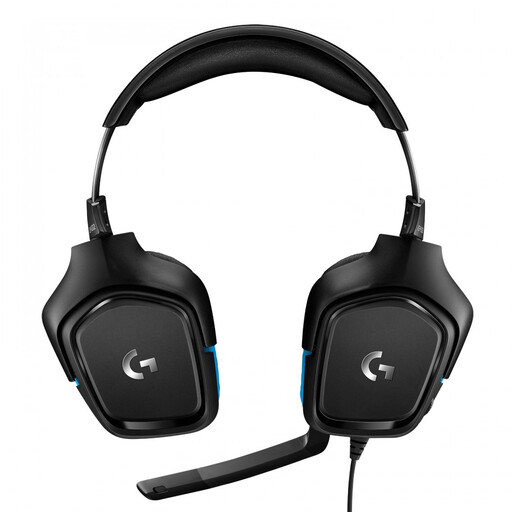 No image available
This wired headset combines a microphone and headphones for speaking and listening back during rehearsals.
The product description mentions a USB DAC or 3.5 mm connection, and a microphone that flips up to mute.
The description lists PC and Mac among the compatible devices; check the connection on your own set-up.
 No image available
A wired headset for short PC rehearsals, with handy mute and volume controls on the headset.
The product description mentions USB-A with a USB-C adapter cable and a microphone that flips up to mute.
The description lists an adjustable headband and a noise-cancelling microphone; test how your voice and the fan sound in the recording.
 No image available
A wired headset with a microphone and headphones for recording and listening back straight away.
The product description mentions a cardioid microphone, a 3.5 mm connection and mute control.
The user instructions recommend positioning the microphone about 1–2 inch from your mouth. Check that your recording device supports the 3.5 mm connection.
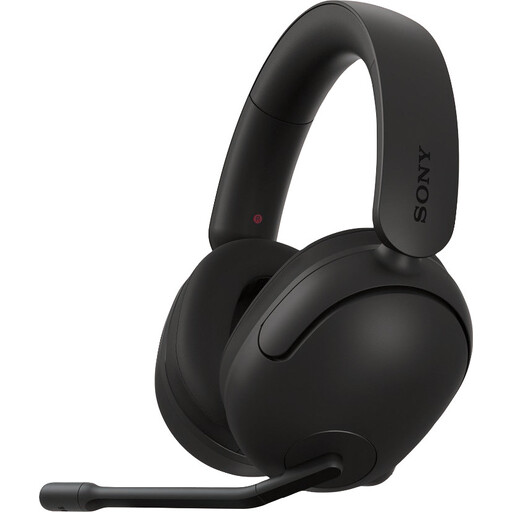 No image available
This headset combines a microphone and headphones for rehearsals where you want to listen back straight away.
The product description mentions an adjustable, directional microphone that flips up to mute.
The description lists USB or 3.5 mm connection options. Check which connection works with your device and recording set-up.
No. EPOS specifications distinguish between ANC for the headphones and microphone noise reduction for voice recording. So assess the fan noise by listening back to a recording, not just while wearing the headset.
First, check your device’s ports and the exact version of the headset. The Jabra Evolve2 40 SE comes in USB-A and USB-C versions; according to the manual, not every mobile USB-C app supports the audio connection. The RØDE NTH-100M requires the included TRRS cable; the splitter is designed for separate 3.5 mm microphone and headphone ports.
Position the microphone close to your mouth, as instructed, and make a test recording in the room where you practise. RØDE warns that a microphone positioned too far away can make background noise more prominent; this doesn’t guarantee that a headset will eliminate the fan.
Check whether you already have headphones and a compatible microphone input: the Shure WH20XLR is a microphone only, while the RØDE NTH-100M also has earcups. For a faulty product, the seller is your point of contact for the statutory guarantee, according to the Dutch government; there is no fixed statutory guarantee period in the Netherlands.
When buying from a business at a distance, you’re entitled to a 14-day cooling-off period in many cases, subject to exceptions set out by the Dutch government. The Dutch government lists CE marking as a safety requirement for electronic products placed on the EU market. Check the product information and the seller; a brand name or advertisement alone doesn’t prove that a specific version meets the applicable requirements.