
Vandaag of morgen in huis

Kwaliteit gegarandeerd

Welkomstaanbiedingen ontgrendelen: GRATIS bezorging | Tot 80% korting | Gratis 30 dagen JoyPlus-proefperiode
Download de app
A pod coffee machine quickly makes espresso, lungo or another coffee speciality without grinding loose coffee beans. Even so, choosing one is less straightforward than a product photo and an attractive offer might suggest. The differences often lie in the capsule system, water reservoir, cup sizes available and how you clean the machine.
A student room, home office or busy household will also have different requirements. Below, you can find out which pitfalls to avoid and which specifications to check first before buying a coffee machine for home.
A Nespresso Original capsule will not necessarily fit a Vertuo machine. Senseo pods and Dolce Gusto capsules also use different systems. Always check the ‘compatible coffee system’ listed in the product specifications.
A Nespresso coffee machine such as the Krups Pixie, Essenza Mini or De’Longhi CitiZ is designed for Nespresso Original capsules. A Vertuo machine works with VertuoLine capsules. A Senseo coffee machine uses coffee pods. If you overlook this, you could be left with a limited choice or extra costs for new capsules after buying the machine.
A slim machine is handy on a small worktop, but the water reservoir is often smaller. The Essenza Mini, for example, has a reservoir of around 0.6 litres, while the Krups Vertuo has a 1.2-litre reservoir. If you make several cups a day, this difference means refilling more often.
Also pay attention to the machine’s height and the space above it. Some models require you to open a lever or remove the reservoir from the back. So measure not only the space on the worktop, but also check the clearance above and behind the machine.
A coffee machine with milk frother may have a separate milk frother, an integrated milk reservoir or no milk function at all. A separate appliance, such as the Aeroccino3 supplied with the Krups Essenza Mini XN1118, gives you more flexibility but takes up extra space.
Also check how the components are cleaned. A milk reservoir requires more attention after use than a machine that only prepares black coffee. According to the product specifications, a pod coffee machine such as the Philips Senseo HD6553/67 does not have a milk frother.
First choose your favourite coffee system:
A capsule espresso machine is practical if you mainly drink small coffees. If you prefer a mug-sized drink, look for a system and model that explicitly supports this.
A reservoir of 0.6 to 0.7 litres is usually suitable for individual use or a small workplace. For a household or office, 0.9 to 1.2 litres is more convenient. Bear in mind that some of the water may also be needed for rinsing and cleaning.
A machine with two cup sizes is straightforward, but it is not the same as a model with an adjustable volume. According to the product specifications, the L’Or Barista Sublime allows you to adjust the coffee volume and prepare one or two cups.
Many capsule machines state a pump pressure of 19 bar. This is a technical product specification, not a guarantee that every user will experience the same flavour. The Krups Pixie and various Nespresso models have this specification. The Senseo HD6553/67 states 1 bar, as it uses a different coffee pod brewing method.
Pay particular attention to:
Descale the machine according to the instructions and the water hardness in your area. Do not use loose ground coffee in a capsule holder unless the manufacturer allows it.
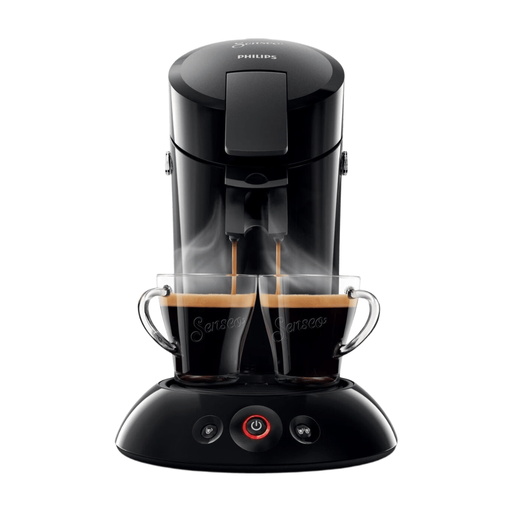
Why it suits this profile: This model prepares one or two cups and has a 0.7-litre water reservoir. It is well suited to everyday use without lots of settings.
The product specifications clearly state that this pod coffee machine uses Senseo pods and has no milk function. This avoids confusion about capsules and milk-based drinks.
Two pod holders, a 0.7-litre water reservoir and automatic switch-off after 30 minutes.

Why it suits this profile: The Pixie combines a slim body with two direct options: espresso and lungo. It is ideal for anyone who values straightforward operation.
The system is explicitly listed as Nespresso Original. The 0.7-litre reservoir and automatic switch-off after 2 minutes are clearly verifiable details.
19-bar pump pressure, 0.7-litre reservoir, two programmes and a wide range of Original capsules.
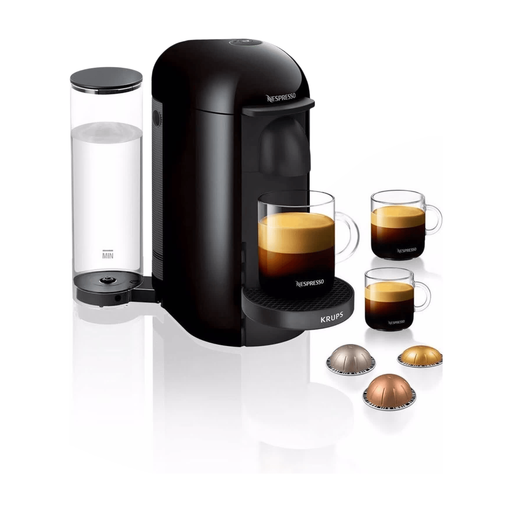
Why it suits this profile: With a 1.2-litre reservoir and several drink options, this model is well suited to households or workplaces where several cups are made each day.
The VertuoLine system and larger capacity are clearly described. However, check beforehand that Vertuo capsules suit the coffee you normally keep at home.
1.2-litre water reservoir, heat-up time of around 40 seconds, four adjustable drip tray positions and automatic capsule ejection.
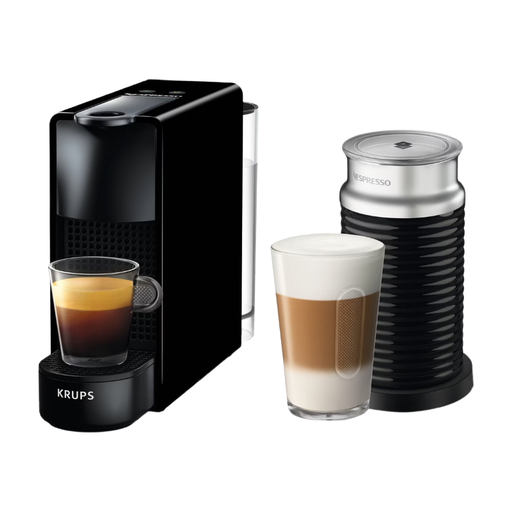
Why it suits this profile: The combination of a compact capsule machine and separate milk frother is ideal for making cappuccinos and lattes in a small kitchen.
The Aeroccino3 is listed as a separate component. This makes it clear that milk drinks require extra steps and cleaning, and that the reservoir is small.
19-bar system, heat-up time of around 25 seconds, two cup sizes and a milk frother included.
We have compiled a complete, up-to-date list of products that fully meet these strict selection criteria and the applicable European safety regulations.
Look at the appliance’s width, depth and height, as well as the space needed to operate a reservoir or lever. The Nespresso Essenza Mini and Krups Pixie are compact options. A smaller reservoir does mean refilling more often.
Running costs mainly consist of capsules or pods, plus electricity, water and descaler. So do not compare only the purchase price of the machine. Check how much a capsule for your favourite system costs and whether you drink espresso, lungo or larger cups every day.
Its lifespan depends on usage, descaling, cleaning and the availability of spare parts. Follow the manufacturer’s maintenance instructions and allow the appliance to cool down before cleaning it. Many of the models mentioned in this range have a two-year warranty period; always check the current terms and conditions for the product.
