What should you look for when choosing?
Start with a test shot of the whole watch and another of the detail you want to show. Then compare the lens, lighting setup and any additional editing needed for your portfolio.
| What to consider |
What to look for when buying |
Who is this important for? |
| Small details |
Check the maximum magnification of the specific lens and whether it’s compatible with the camera body. |
If I want engravings or fine details to fill the frame, the lens needs to offer enough magnification. Around 31% of consumers therefore prioritise detail magnification. |
| Reflections |
Allow room for adjustable, soft lighting and assess test shots of your own watch. |
If reflections obscure parts of the dial or metal case, I want to be able to adjust the lighting setup. Around 25% of consumers prioritise controlling reflections. |
| Sharpness throughout the depth |
Check whether the specific camera body offers focus bracketing and whether your chosen lens works with this feature. |
If I want both the dial and a raised edge of the case to appear sharp, I may need to combine shots taken at different focus points. Around 25% of consumers make sharpness across multiple depth levels their top priority. |
| Complete setup |
Check which lens is included and calculate the cost of the body and any separate macro lens as a complete combination. |
If I want to start by using my existing equipment, I want to know which lens I already have and what else I need. Around 19% of consumers start by considering how complete the setup is and its overall cost. |
Products at Joybuy
This selection includes a DJI action camera. For a pocket watch portfolio, check before buying whether its close-up capabilities suit the detail and overview shots you want to take.
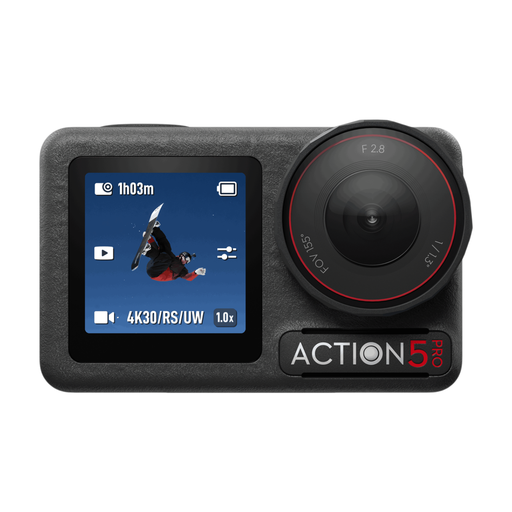 Image unavailable
DJI Osmo Action 5 Pro Adventure Combo
The product name identifies this model as an action camera. Check whether its close-up capabilities are suitable for the details you want to show in your portfolio.
The product name lists 4K video, a 1/1.3-inch sensor, three batteries, stabilisation and two OLED touchscreens.
Joybuy
Frequently asked questions
Do I need a 1:1 macro lens for every pocket watch photo?
No. First decide whether you want to show the whole watch or make a small detail fill the frame, then test the lens you already have. If you need more detail, compare the maximum magnification of a specific macro lens; 1:1 isn’t a feature of the camera body.
How can I get both the dial and a raised edge of the case in focus?
Keep the camera and watch in the same positions and, if necessary, take shots at different focus points and combine them. Check separately whether your camera model offers focus bracketing and what editing you’ll need afterwards.
What can I do if the glass or metal is reflecting too much light?
Adjust the position and softness of the lighting, then assess test shots of your own watch. Changing the camera won’t, by itself, change the reflections created by the lighting setup.
Who can help if my camera is faulty, and can I return one bought online?
For a consumer purchase, the seller is responsible under the statutory guarantee if a product doesn’t meet reasonable expectations, according to the Netherlands Authority for Consumers and Markets (ACM). For eligible online consumer purchases, you generally have 14 days to change your mind, starting the day after delivery, according to ACM ConsuWijzer. This consumer cooling-off period doesn’t automatically apply to business purchases, so check the terms of your specific transaction.


