
Vandaag of morgen in huis

Kwaliteit gegarandeerd

Welkomstaanbiedingen ontgrendelen: GRATIS bezorging | Tot 80% korting | Gratis 30 dagen JoyPlus-proefperiode
Download de app
When shopping online for plum products, you will quickly come across dozens of varieties, from plum sauce and plum jam to dried plums, Chinese plum snacks, plum tea and Japanese plum wine. However, the flavour, pack size and ingredients can vary considerably. Attractive packaging says little about how practical a product is to use.
Use these practical checks to compare products based on the information on the label and product page. This will help you choose more confidently for everyday snacking, cooking, drinks with friends or a family pantry.
An 880-gram bottle may seem appealing if you regularly use sweet and sour plum sauce. If you only need the sauce occasionally, a smaller pack may be more practical. Once opened, you must follow the storage instructions, and a chilled product often needs to be used within a few days. So do not compare only the total price; also check the price per 100 grams or per serving.
Check the ingredients list and the quantitative ingredient declaration. According to the product information, LEE KUM KEE Plum Sauce contains 35% plum. Healthy Boy Sweet and Sour Plum Sauce lists 15% plum. Both are sauces, but the ratio of fruit, sugar, vinegar and other ingredients clearly differs.
The same applies to jam. Bonne Maman Plum Jam lists 50% plums, alongside sugar, cane sugar, concentrated lemon juice and pectin. If you are mainly looking for a fruity spread, it is worth taking this percentage into account when comparing products.
Dried and preserved plums are often flavoured with salt, sugar, sweeteners, liquorice, acids or preservatives. This is not necessarily a problem, but it should suit your preferences. According to the label, X.O Salted White Plum contains 86% Chinese plum and 8% salt, and lists sulphite. Jiajianzheng Prune lists aspartame, which contains a source of phenylalanine.
If you have an allergy or sensitivity, always read the full label. Online product information can change; the packaging you receive is the definitive source.
First decide what you need the product for:
Also consider the serving size. A 65- to 120-gram bag is suitable for individual snacking. A pack of 200 grams or more is more convenient for sharing or using several times.
Do not look only at calories. For plum products, sugars, salt, sweeteners and preservatives are particularly relevant to your choice. For example, LEE KUM KEE Plum Sauce contains 60 grams of sugar and 3.0 grams of salt per 100 grams. Healthy Boy lists 55 grams of sugar and 2.8 grams of salt per 100 grams.
Chinese plum snacks may contain sulphites. Be&Cheery Various Dried Plum lists potassium sorbate, sodium saccharin and 3.0 grams of salt per 100 grams, among other ingredients. UME HOUSE Green-Style Ume Plums explicitly states that the product contains sulphites.
If you want to avoid additives, only choose products where this can be checked in the ingredients list. A brand claim such as “traditional” or “authentic” is not a substitute for the legally required product information.
Unopened products such as jam, sauce and fruit in syrup should generally be stored in a cool, dry place away from direct sunlight. Always check the label after opening. According to the product information, Aarts Plums Damsons should be stored chilled, at a maximum of 7 °C, and used within a few days.
Seal snacks securely after opening to help prevent them from drying out. Store a bottle of umeshu in a cool place away from direct sunlight, with the cap firmly closed. For alcoholic drinks, check the alcohol percentage and the statutory warnings. CHOYA Original Plum Wine contains 10% alcohol and is not suitable for children, pregnant women or women who are breastfeeding.
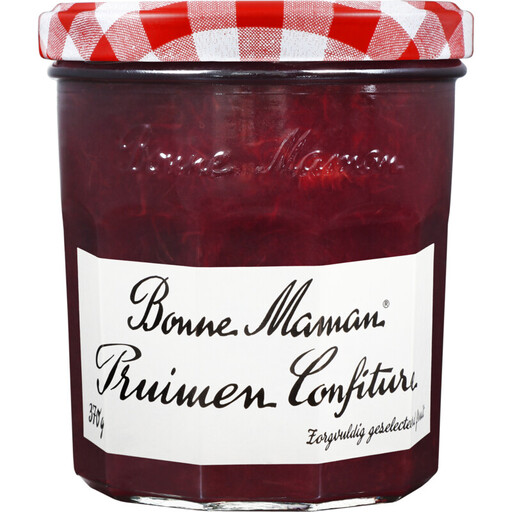
Why it suits this profile: A manageable 370-gram jar for bread, toast, yoghurt or baking. The product information lists 50% plums and pectin as a gelling agent.
The smaller portion means you are less likely to buy too much for occasional use.
370 g contents; 50% plums according to the product information; produced in France.
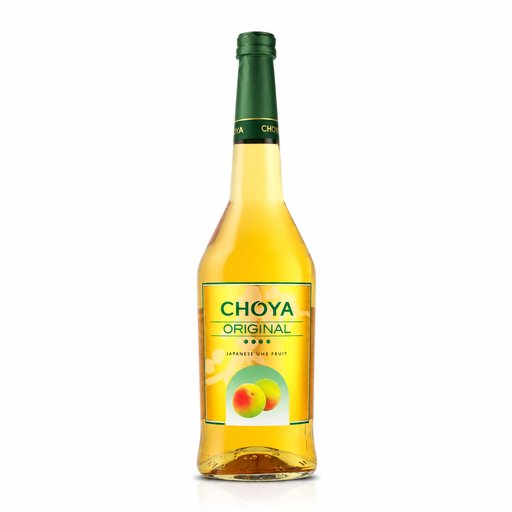
Why it suits this profile: This Japanese umeshu is designed to be served in several ways: chilled, over ice or as the base for cocktails.
The 10% alcohol content is clearly stated, so you can match the drink to the occasion.
750 ml contents; 10% alcohol; ingredients are ume plums, sugar and distilled spirit.
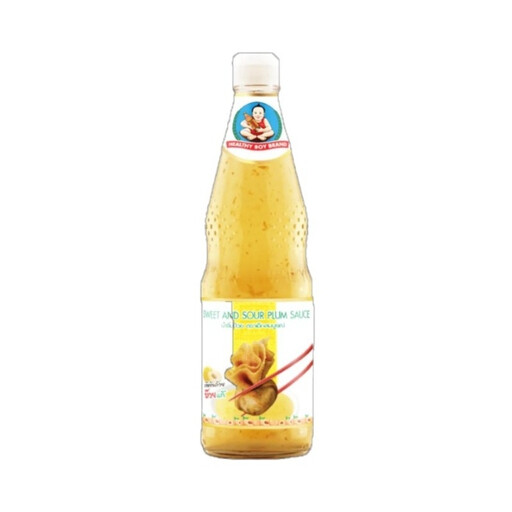
Why it suits this profile: The large bottle is aimed at regular use with spring rolls, fried dishes, grilled meat, stir-fries and marinades.
The size and uses are clearly stated, so you only choose the larger format when you genuinely use it frequently.
880 g contents; 15% plum according to the product information; suitable for dips, glazes and marinades.
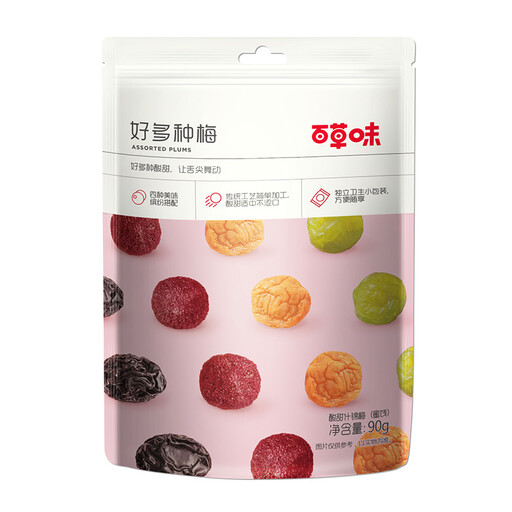
Why it suits this profile: The range of plum flavours and compact bag are ideal for snacking on the go, at work or sharing with others.
The 90-gram portion means you do not have to buy a large supply before knowing which flavour you prefer.
90 g contents; several plum flavours; ready to eat and easy to take with you.
For a mild dipping sauce, LEE KUM KEE Plum Sauce 397 g is a compact option containing 35% plum according to the product information. If you are looking for a smaller bottle of umeshu, consider CHOYA Plum Wine 500 ml. For plums in syrup, Aarts Plums Damsons 560 g is a relevant option for yoghurt, baking and savoury dishes.
Fans of sweet and sour plum snacks can also consider Jia Jian Cheng Chu Preserved Sour Plums 200 g, Jiajianchengchu Honey Plum 200 g or UME HOUSE Green-Style Ume Plums 130 g. NOKCHAWON Plum Tea 480 g is intended for a drink that can be served hot or cold. Check the current ingredients, allergen information and storage conditions for every product.
We have put together a complete, up-to-date list of products that fully meet these strict selection criteria and the applicable European safety regulations.
A sweet and sour plum sauce with a smooth texture works well as a practical dipping sauce. Look at the plum content, the amount of sugar and salt, and the pack size. For occasional use, around 397 grams is often more manageable than an 880-gram bottle.
Store opened plums in syrup according to the label. For Aarts Plums Damsons, this means keeping them chilled, at a maximum of 7 °C, securely sealed and using them within a few days. Do not use the product if the packaging is damaged or the contents smell or look unusual.
Umeshu is an alcoholic Japanese plum wine. Plum tea is a fruit preparation for a hot or cold drink and, according to the available product information, has no stated alcohol percentage. Always check the label and serving instructions before ordering.
