
Same-day & Next-day Delivery

Quality Guaranteed

Unlock Your Welcome Offers: FREE Delivery | Up to 80% OFF | Free 30-day JoyPlus trial
Download the APP
Looking for a plum drink? The selection can be overwhelming. From traditional Japanese plum wine to Korean soju and Dutch syrups, the options are vast. But not every bottle with a plum on the label delivers the flavor experience you expect. Many buyers unwittingly fall into common traps, ending up with a drink that tastes more like sugary water than an authentic treat.
Before you make a choice, it's helpful to recognize the most common deceptions:
You don't need to be a label expert to make a good choice. By paying attention to a few key points, you can easily filter the options and find exactly what you're looking for.
Not all plum drinks are created equal. The origin and type determine the flavor and the best way to enjoy the drink.
The ingredients list is your most important tool. Look for the following:
To help you get started, we've highlighted some popular choices and matched them to different preferences.
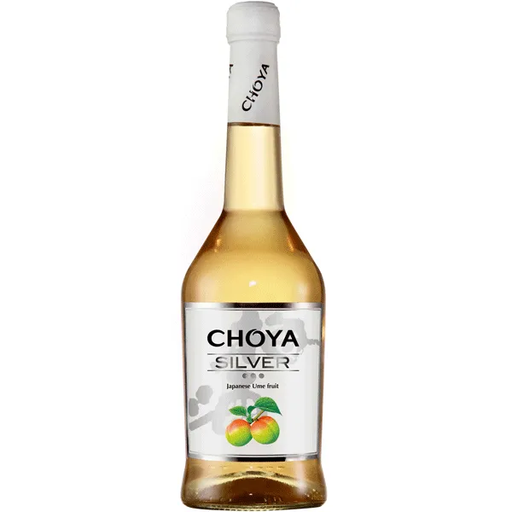
Why This Fits Their Persona: For those seeking the authentic, sweet-and-sour taste of traditional umeshu. This is a classic known for its balanced and refined flavor profile, ideal as an aperitif or after a meal.
This is a genuine Japanese plum wine, made from ume plums according to a traditional recipe. It's not an imitation with 'plum flavor,' but an authentic product.
Made from carefully selected ume plums; versatile to drink (chilled, on the rocks, or in cocktails).
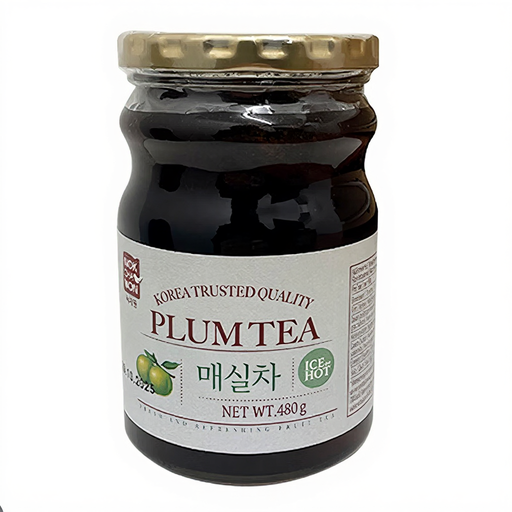
Why This Fits Their Persona: Ideal for anyone who wants to quickly and easily make a hot or cold drink. This Korean plum tea concentrate is a convenient base that you can adjust to your own taste.
As a concentrate, you control the strength and sweetness yourself. This gives you full control over your sugar intake, unlike ready-to-drink beverages with a fixed sugar ratio.
Made from high-quality plums; suitable for both hot and cold drinks, making it useful year-round.
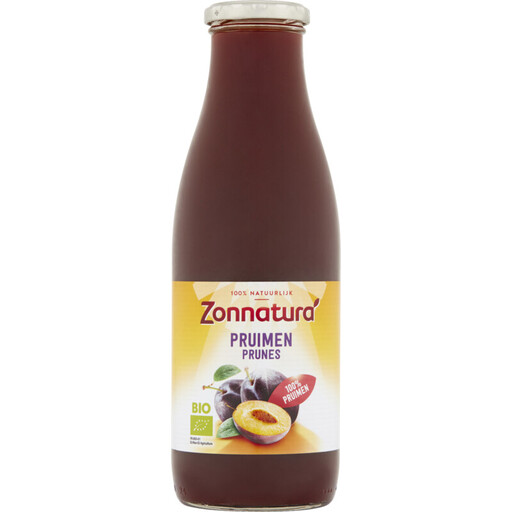
Why This Fits Their Persona: Perfect for the health-conscious buyer who wants a pure product without unnecessary additives. This juice is exactly what it promises: juice from organic, dried plums.
This is 100% organic plum juice. It completely bypasses the trap of hidden sugars and artificial flavorings. The ingredients list is short and clear: plum juice obtained from water extraction.
Organic and made from 100% plums; contains no added sugars or other unnecessary additives.
We've compiled a complete, up-to-date list of products that fully meet these strict selection criteria and regulations.
Although both come from Asia and contain plum, they are very different drinks. Umeshu is a Japanese liqueur, made by steeping whole ume plums for months in alcohol (like shochu or sake) and sugar. The result is a sweet, syrupy, and complex drink. Plum soju is a Korean distilled spirit (similar to vodka, but lighter) to which plum flavor has been added. It is typically less sweet and has a cleaner, more direct alcohol taste.
These concentrates are very versatile. Mix a few spoonfuls with hot water for a warming tea in the winter, or with cold sparkling or still water and ice for a refreshing lemonade in the summer. They also make a surprising flavor enhancer in plain yogurt, drizzled over a scoop of vanilla ice cream, or as a base for a non-alcoholic cocktail.
Yes, absolutely. If you want to avoid added sugars, your best bet is to look for 100% pure plum juice, such as organic varieties. Always read the label, as the term "no added sugars" means that no sugar has been added, but the product still naturally contains fruit sugars. Alcoholic beverages like plum wine and plum liqueur almost always contain a significant amount of sugar, as it is an essential part of the traditional recipe to balance the flavor.
