For making plum compote in a single pan, a freestanding single hob is usually the most practical choice, provided the pan and available space suit the model. Induction requires a flat, magnetic pan base; a conventional electric hob may be a better fit if you want to keep using your current pan. Measure the space you need and check the connection, house rules and CE marking of the version on offer before use.
Who is this choice relevant to?
Student sharing a kitchen
Wants to position and connect a freestanding hob safely without obstructing the walkway or shared worktop. The Dutch Fire Service describes fire safety in student accommodation as a shared responsibility between landlords and residents.
One-pan compote maker
Is looking for a hob that suits their pan and lets them adjust the heat while cooking, without having to store a second cooking zone.
Cook who wants to keep their existing pans
Wants to check first whether their current pan is suitable for induction, and otherwise compare a conventional electric hob. According to the Consumers’ Association, an induction pan needs a flat, magnetic base.
What should you look for when choosing?
Single induction hob
Choose this option: if you usually use one pan and its flat, magnetic base falls within the model’s specified range.
Bear in mind: your pan may not be suitable, and you’ll need to allow for the clearance specified in the manual. Inventum says the KI120T is designed for pans measuring 15–20 cm; its manual requires at least 10 cm of clearance at the sides and back.
Conventional electric single hob
Choose this option: if you want to keep using your pan and one cooking zone is enough.
Bear in mind: the size of the pan base in relation to the cooking zone, and the possibility that the hob may still be hot after it has been switched off.
Freestanding double hob
Choose this option: if you regularly make compote and another dish at the same time, and your worktop and electrical connection are suitable.
Bear in mind: the extra space required and the pan requirements of the cooking zones you choose.
| What to consider |
What should you check? |
Who is this important for? |
| Safe positioning and connection |
Measure the space, including the required clearance, and check that a suitable socket is within reach. The Dutch Fire Service recommends plugging high-power appliances directly into a socket. |
If I’m cooking in a shared kitchen, I want to be able to position the hob without blocking the walkway or worktop; around 28% of consumers prioritise safe positioning and connection. |
| Pan suitability |
For induction, check that the base is flat and magnetic, and compare its size with the model’s specified range. For a conventional hob, compare the pan base with the cooking zone. |
I want to keep using my current pan and find out first whether it works with induction; around 22% of consumers make pan compatibility their top priority. |
| Adjusting the heat |
Compare the controls on the exact models. The number of settings, a timer or a dial doesn’t tell you how steadily the contents of your pan will stay warm. |
When making plum compote, I want to be able to turn down the heat while it cooks and keep an eye on the pan; around 22% of consumers prioritise adjustable heat. |
| Number of zones and worktop space |
Decide whether you really use two pans at once, and measure the space available, including the clearance specified in the manual. |
If I sometimes use a second pan at the same time, I want to know whether two zones are worth the space; around 17% of consumers prioritise weighing up the number of zones against worktop space. |
| Total cost and after-sales support |
Factor in the cost of any pan you still need, and check who to contact if the hob develops a fault. Your statutory rights and any additional warranty are not the same thing. |
I want to budget for a pan if I need one and know who to contact if there’s a fault; around 11% of consumers prioritise total cost and after-sales support. |
Common pitfalls
-
Choosing induction without checking your pan
An induction hob requires a suitable pan with a flat, magnetic base. The base size also needs to suit the range specified for the model you choose.
Check your pan and the hob’s specifications before comparing induction with a conventional model.
If your pan isn’t suitable, you may need to buy another one.
-
Measuring only the appliance
The space you need may be larger than the appliance itself, as the manual may specify a clearance around it. For the Inventum KI120T, the manual calls for at least 10 cm at the sides and back.
Measure the full space required using the manual for the exact model.
-
Assuming a timer or heat setting guarantees a gentle simmer
A timer or the number of heat settings doesn’t tell you how steadily the contents of your pan will stay warm on a low setting.
Keep checking as you cook and stir when needed; consider how well the controls work with the pan you use.
-
Assuming a product title confirms how the hob works
A title alone doesn’t always give you enough information to establish a hob’s pan requirements.
Check the full model number and cooking method in the manufacturer’s documentation before using a pan with the hob.
Brands compared
Inventum
The KI120T is a single induction hob for anyone who uses one pan with a base that falls within the specified range.
- Inventum lists ten temperature settings, a timer of up to 180 minutes and a power output of 2000 W.
- The manual requires at least 10 cm of clearance at the sides and back, and advises against using the hob in small spaces. This information doesn’t show how evenly it will simmer compote.
Tristar
The IK-6178 is a single induction hob; the KP-6185 is a conventional hob with a cast-iron cooking zone.
- For the IK-6178, Tristar lists temperature, power and timer controls, with a maximum output of 2000 W. For the KP-6185, the brand specifies a 15 cm cooking zone and five settings.
- Features vary by model, so check which one you’re comparing and make sure your pan suits the cooking zone.
Severin
The KP 1091 is a conventional single hob, while the DK 1031 is a double induction hob for anyone who uses two zones.
- For the KP 1091, Severin lists an 18.5 cm cast-iron cooking zone and stepless control. For the DK 1031, the brand specifies two zones and pan detection.
- The two models differ in their pan requirements and the space they need. The manufacturer’s information is not an independent performance test.
Princess
The 303010 is a freestanding single induction hob with digital controls.
- Princess lists temperature, power and timer controls, with a maximum output of 1800 W.
- The fact that it’s described as suitable for student accommodation doesn’t confirm that using it is permitted or can be arranged safely in your specific living space.
Hobs at Joybuy
The selection includes freestanding single induction and conventional hobs, as well as double hobs. Choose based on your pan and the space available on your worktop.
 Image unavailable
Portable induction hob with two cooking zones
Suitable if you want to use two pans at once. The product name lists two cooking zones and five temperature settings.
View at Joybuy
 Image unavailable
ochama portable induction hob, 2000 W
Suitable if you want to use one pan on a freestanding induction hob and adjust the heat. The product name lists 2000 W, ten power settings, six functions and a safety lock; according to the product information, magnetic cookware is required.
View at Joybuy
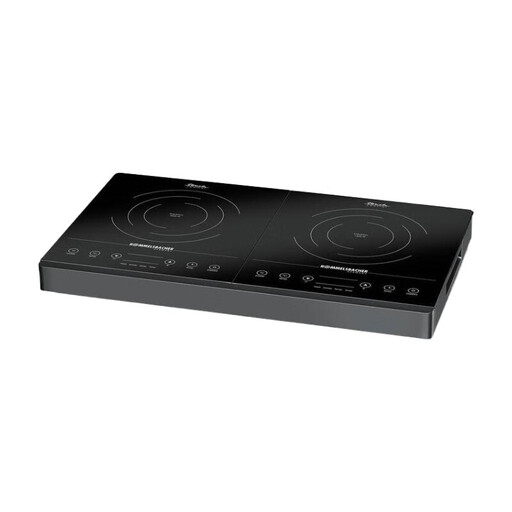 Image unavailable
Rommelsbacher double hob CT 3402/IN
Consider this model if you’re looking for two cooking zones. Before buying, check the controls and pan requirements for the exact version.
View at Joybuy
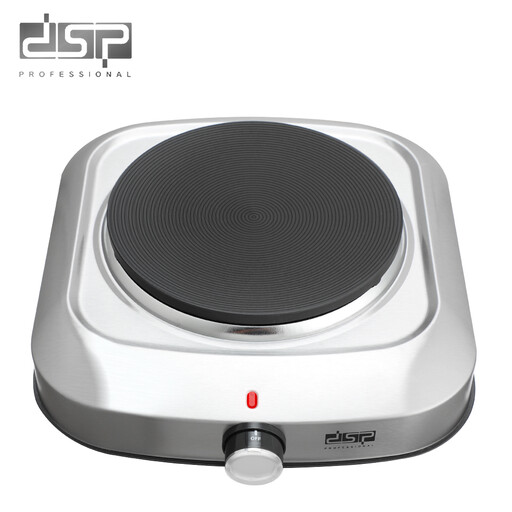 Image unavailable
DSP Professional electric single hob, model KD4056
Suitable if you want to cook with one pan on a freestanding electric hob. The product name lists 1500 W and adjustable temperature; check the pan requirements for the exact version.
View at Joybuy
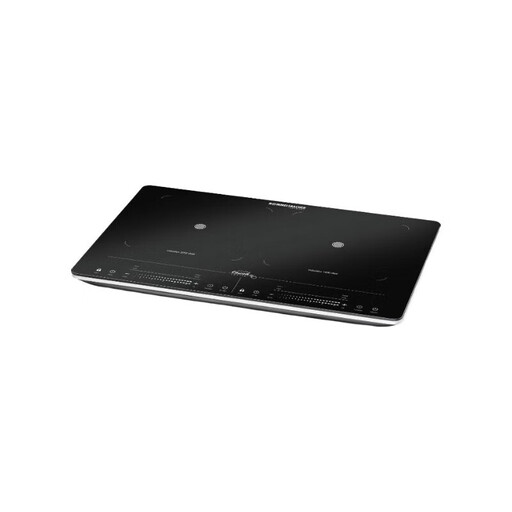 Image unavailable
Rommelsbacher ceramic double hob CT 3420/IN
Suitable if you’re looking for two cooking zones. Check the dimensions of the exact version before deciding whether it will fit on your worktop.
View at Joybuy
Frequently asked questions
How can I check whether my saucepan works on induction?
Check that the base is flat and magnetic, then compare its size with the range specified for the model you’ve chosen. Inventum lists a pan size of 15–20 cm for the KI120T; that range doesn’t automatically apply to other hobs.
How should I position and clean a freestanding hob?
Follow your model’s manual for the surface it should stand on and the required clearance. Let a hot hob cool before cleaning or storing it; the positioning requirements for the Inventum KI120T are specific to that model.
How long can I keep homemade plum compote?
For compote left over after cooking, the Netherlands Nutrition Centre recommends cooling it quickly, covering it and putting it in the fridge within 2 hours, where it will keep for up to 2 days. Freeze the compote if you want to keep it for longer. This advice is not intended for professionally preserved products or products made using a validated preserving process.
Who can help if the hob breaks too soon during normal use?
If your hob develops a fault, contact the seller about your statutory rights. The Dutch government says there is no fixed statutory warranty period in the Netherlands; any manufacturer’s warranty offered is separate.
Which product marking should I check before buying?
Check that the version actually being offered carries the applicable CE marking. The Dutch government says electronic devices placed on the market in the EU must have a CE marking; the product description alone doesn’t confirm that an individual item carries one.


