Start with your own script file: enlarge the text and check whether you can see enough lines at once and move smoothly to the next page. A screen of around 13 inches gives you more space, but is less portable; a smaller model is easier to hold. Choose a stylus if you make lots of notes, or consider a matte screen or paper tablet if reducing glare or focused PDF reading is your priority.
Who is this guide for?
Script reader who needs large print
You want to enlarge the text while still seeing enough lines and keeping an overview of the page. Google Android Accessibility Help warns that the text size setting does not apply to every app, so test your own script in the app you plan to use.
Actor who makes notes on scripts
You want to add prompts next to the right passages during rehearsals. Check that the stylus, annotation app and original PDF file work together with the way you like to work.
Reader who is often on the move or has to contend with challenging lighting
You’re weighing portability and reflections against the space you need to read an enlarged script page. Compare a more compact model, a matte screen and a paper tablet where you’ll be using the script.
What should you look for?
First, test your own script file at your preferred magnification. Then try turning pages and finding passages again. Only then compare size, controls and accessories.
| What to consider |
What should you check? |
Who should pay extra attention? |
| Large print and page overview |
Open the same script file in the app you plan to use, enlarge the text and check how many lines remain visible and how you navigate. |
If I need larger print, I want to be able to follow the text without awkwardly scrolling sideways all the time. Around 29% of consumers say readability is their main concern when buying. |
| Notes on the script |
Try writing with your preferred stylus, saving the file and opening it again; also check whether you can share it. |
If you make notes next to passages during rehearsals, a workable combination of stylus, app and file matters. Around 23% of consumers prioritise annotation. |
| Portability and grip |
Compare the weight of the exact model and try the tablet with the case or stand you plan to use. |
If I often take the script with me or hold it in my hand, a comfortable grip matters more than simply having a larger screen. Around 18% of consumers say portability is their main concern when buying. |
| Total cost of your setup |
For each model, check whether the stylus, case or stand is included and whether you need any software for the way you work. |
If you want to know the cost of a complete reading and annotation setup before buying, check what’s included with each model. Around 18% of consumers say the total setup cost is their main concern when buying. |
| Reflections and focused reading |
Compare the screen where you’ll be reading; with a paper tablet, also check PDF display and the file-sharing options you need. |
If glare or focused PDF reading is what determines my choice, I want to assess the display in my own environment. Around 12% of consumers prioritise this. |
Things to check before buying
-
Choosing based on screen size alone
A larger screen doesn’t guarantee that your script will be easy to follow at your preferred magnification.
Compare the same page on the tablets you’re considering and in the apps you plan to use. Also try finding passages again and turning pages.
-
Assuming a stylus is always included or interchangeable
Stylus support and what’s in the box vary by model and configuration.
Before buying, check exactly what’s included and which stylus works with the tablet and your annotation app.
If a compatible stylus isn’t included, you may need to buy one separately.
-
Treating a paper tablet like a regular tablet
Being able to import PDFs doesn’t automatically mean that the script or collaboration apps you use will be available.
Before choosing a device for reading documents, check which file-sharing options and apps your production needs.
Brands to consider
Apple
Apple Netherlands lists, among other models, the 11-inch iPad (A16) and the 13-inch iPad Air with M4. The difference in screen size may matter when weighing space for an enlarged script page against ease of handling.
- Apple lists stylus support for both models.
- Compatible styluses vary by model. A general text setting won’t necessarily tell you how your script file will appear.
Samsung
Samsung lists a 10.9-inch screen for the Galaxy Tab S10 FE and a 13.1-inch screen for the FE+.
- Samsung says an S Pen is included with both of these models.
- What’s included doesn’t confirm whether a particular script or PDF app supports the way you want to work.
Lenovo
Lenovo describes the Tab P12 with Matte Display as an Android tablet with a 12.7-inch matte screen and a stylus configuration.
- A matte finish may be useful if reflections are a problem where you read.
- The product specifications aren’t a test under theatre lighting. Check the stylus bundle and update policy for the exact configuration.
reMarkable
reMarkable describes the Paper Pro as a paper tablet for reading PDFs and making handwritten notes, with a listed screen size of 11.8 inches.
- The manufacturer describes PDF import, writing tools and adjustable reading lights.
- Its own operating system means it’s not an obvious replacement for a tablet if you need specific iPad or Android apps.
Tablets at Joybuy
Tablets at Joybuy for reading scripts in enlarged text, including a few options for handwritten notes and PDF reading.
 No image available
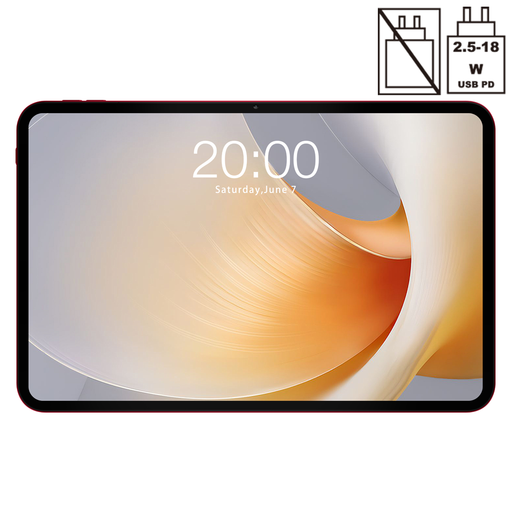
TECLAST T65 Plus 13.4 Inch
The 13.4-inch screen gives you physical space to display an enlarged script page; test your own file to see how many lines remain visible.
The product name lists Android 15, 120Hz, 4G LTE and 5G WiFi.
View at Joybuy
 No image available
TECLAST ArtPad Pro 12.7-Inch
The listed stylus may be useful if you want to make handwritten notes during rehearsals; check that it works with your annotation app.
The product name lists a 12.7-inch 2K screen, 20GB RAM (8GB + 12GB virtual) and 256GB of storage.
View at Joybuy
 No image available
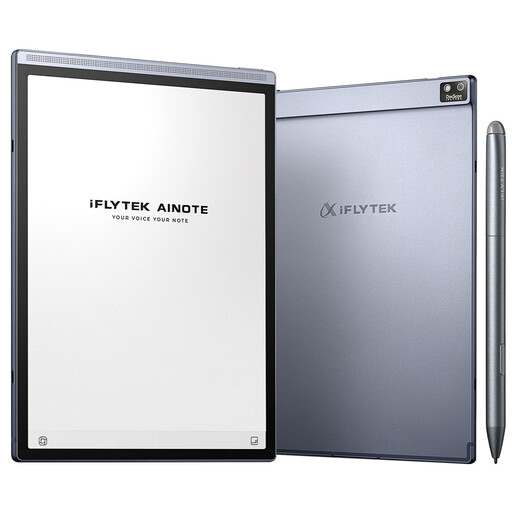
iFLYTEK AINOTE Air 2 8.2-Inch
The product description mentions reading PDFs and e-books, taking notes with a stylus and a reading light. The 8.2-inch screen offers less physical space for an enlarged script page than the larger tablets on this page.
Check that the PDF display and file-sharing options suit the way you’ll use it.
View at Joybuy
 No image available
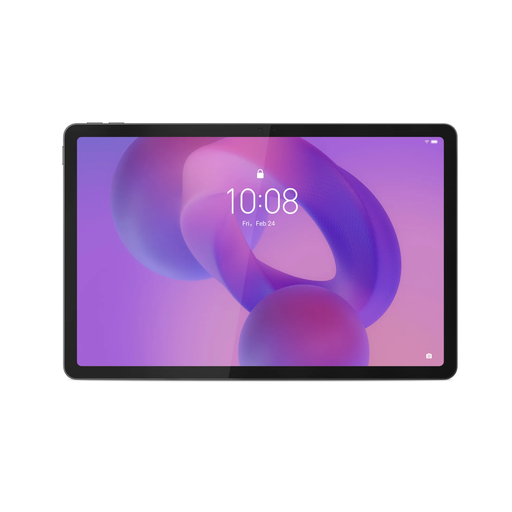
Lenovo IdeaTab 11-Inch
The product description says a Tab Pen for writing and note-taking is included. Test whether the 11-inch screen shows enough lines at the magnification you need.
The product name lists an IPS screen, 90Hz, 500Nits and Android 15. According to the product description, the charger must be purchased separately.
View at Joybuy
 No image available
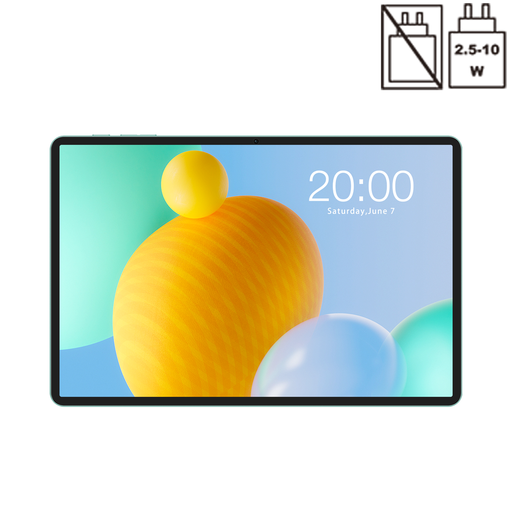
TECLAST P50 11-Inch
This 11-inch model may suit you if you’re looking for a tablet to take with you regularly; check whether the visible page is large enough when enlarged using your own script.
The product name lists Android 16, 90Hz, 4G LTE and Dual SIM.
View at Joybuy
Frequently asked questions
Will the text in my play script get larger if I change the tablet’s text size?
Not always. Google warns that Android’s font size setting doesn’t apply to every app. So try the actual script in the reading app you plan to use and check both the magnification and how you navigate the document.
How do you prepare a script for use during a rehearsal?
Test a representative script file before relying on it during a rehearsal. For the Paper Pro, reMarkable describes PDF import and display adjustments; try it yourself to see whether your file remains easy to read at your preferred text size and whether your notes are retained.
Does the tablet come with a stylus?
It varies by model and bundle. Samsung says an S Pen is included with the Galaxy Tab S10 FE and FE+. Apple lists stylus support for the iPad models mentioned; check which stylus is compatible with the exact model and whether it’s included in your chosen bundle.
Can you return a tablet bought online in the Netherlands if the script display isn’t right for you?
For online consumer purchases, you generally have a statutory 14-day cooling-off period after receiving the item. Exceptions may apply, and the rules on trying out and returning products are important, so check the applicable terms. This is separate from your statutory rights if a product is faulty.


