
Vandaag of morgen in huis

Kwaliteit gegarandeerd

Welkomstaanbiedingen ontgrendelen: GRATIS bezorging | Tot 80% korting | Gratis 30 dagen JoyPlus-proefperiode
Download de app
A plate may seem like a simple purchase until it does not fit in the dishwasher, scratches easily or turns out to be too small for a full meal. Product names can also be confusing: a sushi plate needs different features from a deep plate for soup, while a serving board is mainly designed for presentation.
Before buying, watch out for these three common pitfalls:
For everyday use, dinner plates measuring around 24 to 28 cm are practical. A breakfast plate is usually smaller and suitable for bread, fruit or light meals. Deep plates, or pasta and soup plates, have a raised rim to help prevent liquid dishes from spilling.
Also consider the shape:
As well as the diameter, check the height of the rim and the available cupboard space. A large plate will not automatically fit in every dishwasher.
The material determines the weight, appearance, risk of breakage and care requirements.
A material name alone does not tell you everything. Also check the product information regarding food contact, temperature and cleaning.
The terms microwave-safe plates and dishwasher-safe plates are only relevant if they are actually stated in the product specifications. Pay attention to the following:
According to the product description, the YumiPLUS Blue Willow Plate is suitable for use in the microwave, oven and dishwasher under standard household conditions. This is a specification provided by the seller and does not guarantee that every other plate with a similar appearance has the same properties.
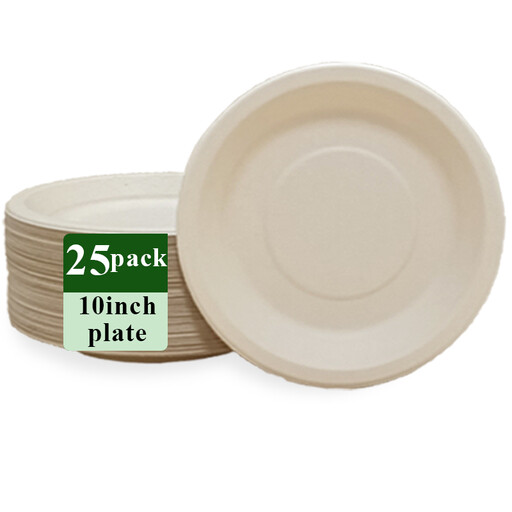
Why it suits this profile: A pack of 25 disposable 10-inch plates is practical for a party, picnic or temporary extra capacity.
The number of pieces and the size are clearly stated in the product name. However, check the instructions for heating and disposal before use.
10 inches per plate and a pack of 25; suitable when reusable tableware is not practical.

Why it suits this profile: This ceramic plate combines a diameter of approximately 25.4 cm with a blue-and-white pattern, making it suitable for sushi, dessert, salad or a main course.
The product description expressly states that it is suitable for use in the microwave, oven and dishwasher. Nevertheless, avoid sudden changes in temperature.
Ceramic construction, glazed surface, approximately 25.4 cm diameter and, according to the product information, suitable for the oven, microwave and dishwasher.
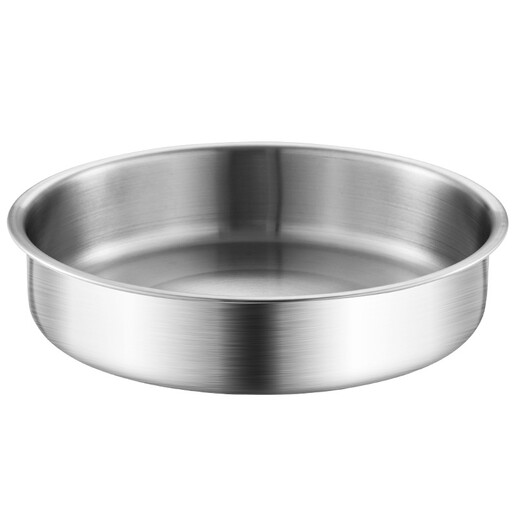
Why it suits this profile: Stainless steel plates are practical for catering, outdoor use and kitchens where resistance to breakage is important.
The 304 stainless steel material and 20 cm size are clearly specified. The plate becomes hot when heated, so use suitable protection.
304 stainless steel, deepened design, 20 cm diameter and, according to the product information, suitable for the oven, steam oven and induction hob.
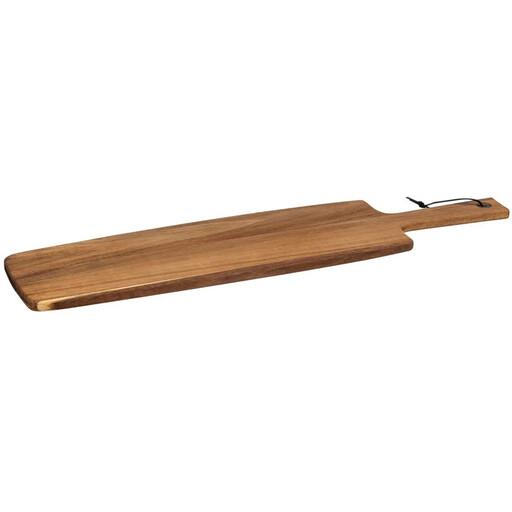
Why it suits this profile: This long wooden serving board is designed for cheese, tapas, snacks and other appetisers at dinner or drinks gatherings.
The dimensions of 70 by 18 cm and the acacia wood material are clearly specified. The board is not dishwasher-safe.
A large presentation surface, acacia wood and suitability for a range of nibbles and appetisers.
We have put together a complete, up-to-date list of products that fully meet these strict selection criteria and the applicable European safety regulations.
Ceramic or porcelain plates are practical for everyday use if they are stackable and the product information confirms that they are dishwasher- and microwave-safe. Choose a size that fits in your kitchen cupboard and dishwasher. A plate measuring around 24 to 28 cm is often suitable for main meals, while smaller breakfast plates are useful for bread and fruit.
A deep plate usually has a higher rim and is suitable for soup, stews or meals with sauce. A pasta plate often has a wide, flat rim and a shallower bowl in the centre. This also makes it suitable for pasta, salad and main courses with a limited amount of sauce.
They can be, particularly when you are serving lots of guests in a short time or do not want to wash a large quantity of tableware. Check the number of plates per pack, the size and the instructions for hot or liquid food. For regular use, reusable plates are generally more suitable; disposable plates are mainly intended for specific occasions.
