
Vandaag of morgen in huis

Kwaliteit gegarandeerd

Welkomstaanbiedingen ontgrendelen: GRATIS bezorging | Tot 80% korting | Gratis 30 dagen JoyPlus-proefperiode
Download de app
Buying new plates and serving dishes seems straightforward, until you have to choose between ceramic, stainless steel, wood, glass, individual pieces or a complete dinnerware set. A plate may look attractive in a product photo, but turn out to be too large for your cupboard, unsuitable for the dishwasher or less versatile than expected in everyday use.
This buying guide compares materials, sizes and features. That way, you can find dinnerware to suit everyday use, a family with children or a dinner party with guests.
A glossy glaze, embossed detail or marble effect mainly determines the appearance. Also check the material description and care instructions. With ceramic plates, it is important to know whether they are suitable for the microwave, oven and dishwasher. These properties vary from one model to another.
For decorative items, also pay attention to where the print is applied. A pattern incorporated into the material may be more hard-wearing than a surface decoration. Only rely on information actually provided by the manufacturer or seller; terms such as ‘shatterproof’ or ‘extra durable’ are no substitute for specific details.
Dinner plates measuring around 26 to 28 cm are common, but a diameter of 30 cm or more takes up noticeably more space. So check:
A set of plates may be better value and create a more coordinated look, while individual plates are more convenient if you only want to replace or add a few pieces.
Not every plate that is suitable for hot food can be used in the oven or microwave. Stainless steel plates, for example, are generally not intended for use in the microwave. According to the product information, some metal models may be used in an oven or steam oven, but always check the specific instructions.
A serving dish with a dome is primarily designed for presentation and protection from dust or contact. That does not automatically mean the dish is suitable for heating food.
Ceramic plates are popular for everyday use and formal tables. They offer a classic look and are available as flat, deep or decorative plates. For each model, check whether the glaze can withstand dishwasher use and changes in temperature.
Stainless steel plates are practical for families, camping and frequent use. 304 stainless steel is often mentioned in product information because of its corrosion resistance and easy cleaning. Metal can become hot, however, so take care when handling hot food and follow the stated usage restrictions.
Wooden serving boards add a warm look to tapas, cheese and nibbles. Wood is generally not dishwasher-safe. Washing by hand and drying it thoroughly will help keep the material looking good for longer.
Glass fruit bowls are suitable for fruit, cake or light snacks. When choosing glass, look at its stability, the finish of the rim and how it combines with a wooden foot or base.
A flat dinner plate is suitable for main courses. A deep plate has a raised rim or bowl shape and is more practical for soup, pasta and sauces. An elongated serving board works well for nibbles, while a round serving dish is often more practical for sharing food.
A revolving serving dish measuring around 30 cm can be useful in the centre of a table. Check whether the underside is non-slip and whether the rotating mechanism moves smoothly on a flat surface.
Do not just look for ‘dishwasher-safe plates’; also check:
Do not use damaged ceramic or metal with sharp deformations. For wooden products, avoid soaking them in water for long periods. This helps preserve the finish.
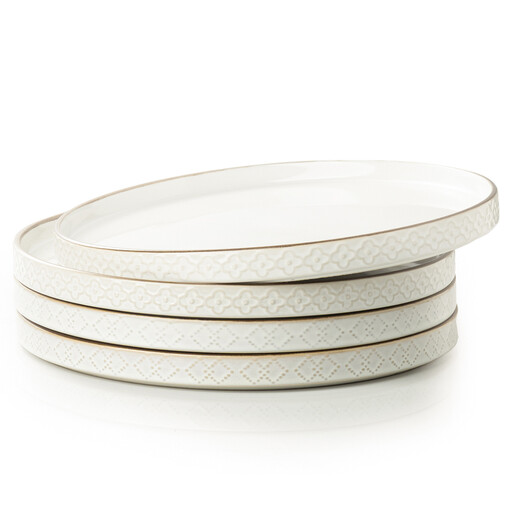
Why it suits this profile: A set of four ceramic plates is a straightforward way to add to your basic dinnerware for everyday use.
The product information states that the plates are stackable and suitable for the microwave, oven, fridge, freezer and dishwasher. Check the guidance on the underside before use.
Ceramic construction, a diameter of 10.25 inches and dishwasher-safe design according to the product description.
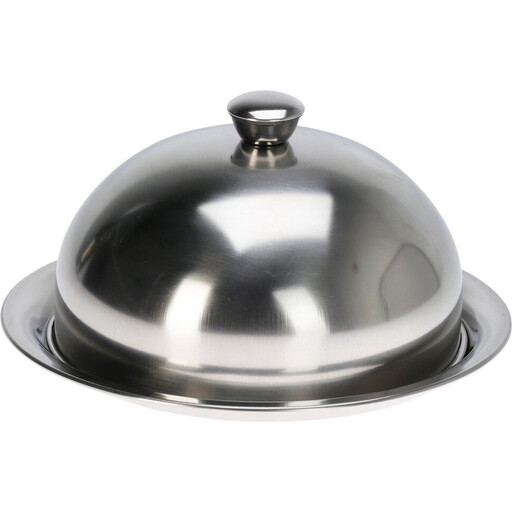
Why it suits this profile: Ideal for dinners and parties where presentation and protecting nibbles are important.
The dimensions are clearly stated: 31 cm in diameter and 15 cm high. The product information also clearly says that it is not suitable for oven or microwave use.
Stainless steel, a supplied dome and dishwasher-safe design according to the product description.
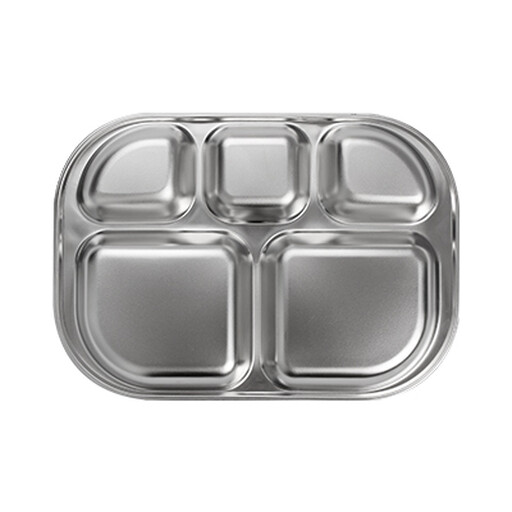
Why it suits this profile: The five sections are practical for families, packed lunches, camping and meals where ingredients need to be kept separate.
The design makes the sections clear, while the material details specify 304 stainless steel. The product information states that it is dishwasher-safe; do not use it in the microwave.
Five separate compartments and a metal construction for frequent use.
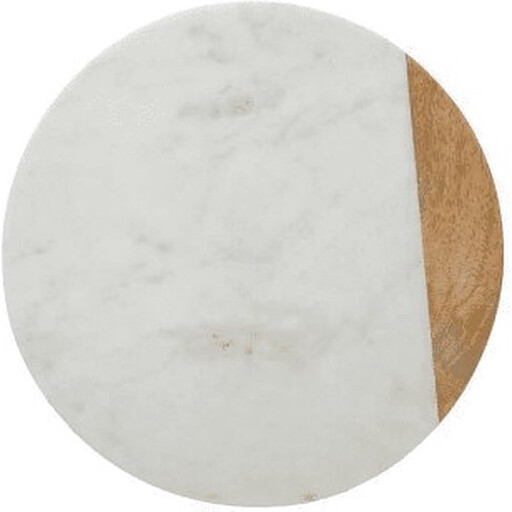
Why it suits this profile: The combination of white stoneware and mango wood is perfect for a table where shared dishes take centre stage.
The product details specify a diameter of 30 cm, a non-slip base and 360-degree rotation. The hand-washing recommendation avoids any misunderstanding about dishwasher use.
Revolving function, non-slip design and a combination of stoneware and mango wood.
We have put together a complete, up-to-date list of products that fully meet these strict selection criteria and the applicable European safety regulations.
That depends on your household. Ceramic dinner plates are a good choice if you want traditional dinnerware. For children, camping or frequent use, stainless steel plates may be more practical. Always check whether your chosen model is dishwasher-safe and which heating functions are permitted.
A diameter of around 26 to 28 cm is often suitable for main courses and standard place mats. Larger models offer more room, but also take up more space in a kitchen cupboard and dishwasher. Measure the available storage space beforehand.
Wash a wooden serving board by hand, use mild washing-up liquid and dry it straight away. Do not put it in the dishwasher unless the product information explicitly allows this. To prolong its life, avoid leaving wood submerged in water for long periods.
