
Vandaag of morgen in huis

Kwaliteit gegarandeerd

Welkomstaanbiedingen ontgrendelen: GRATIS bezorging | Tot 80% korting | Gratis 30 dagen JoyPlus-proefperiode
Download de app
Buying plates seems simple, until you have to choose between ceramic, stainless steel, plastic, deep plates and divided plates. A low price tells you little about how practical a plate will be in the long run. So don’t focus only on colour or shape: consider the material, dimensions, care requirements and which appliances the plate is suitable for.
As a Joybuy Product Recommendation Officer, I focus on the practical details in the key product information. This helps you avoid buying a plate that can’t go in the dishwasher, is too large for your cupboard or gets damaged quickly with everyday use.
Ceramic and stoneware plates look at home on a set table, but they are fragile and often heavier than metal alternatives. Stainless steel plates are generally more resistant to drops, but they conduct heat quickly. This means a plate can get hot when used for hot food or heating.
So always check:
These aren’t the same thing. A product may be dishwasher-safe but not suitable for the microwave. Stainless steel plates and other metal plates in particular shouldn’t be put in the microwave unless the product information clearly says they are suitable. Wooden serving boards and some sushi sets also need to be washed by hand.
Look for separate information on whether the product is suitable for the dishwasher, microwave, oven, freezer and fridge. If a specific use isn’t mentioned, don’t assume the plate is suitable for it.
A dinner plate measuring around 26 to 28 cm won’t always fit comfortably in a dishwasher or kitchen cupboard. A deep plate also takes up more room when you stack several together. A smaller side plate is more practical for breakfast, tapas or dessert.
Before buying, measure:
Ceramic plates often have a classic look and are suitable for everyday dining if the product information says they can go in the dishwasher and microwave. For example, the Dafuceramic dinner plates have a diameter of 10.25 inches, a glossy glaze and a stackable design. According to the product description, they are suitable for the microwave, oven, fridge, freezer and dishwasher. Always check the instructions on the underside before use.
Stainless steel plates are a good option for families, catering, hospitality and outdoor use. Several models on offer specify 304 stainless steel, a material that is resistant to corrosion and easy to clean. This makes it practical for camping plates and unbreakable plates. However, bear in mind that metal isn’t suitable for the microwave and can get hot when used with hot food.
Plastic is lightweight and handy for snacks, children or a buffet. Always check the temperature limits for plastic. For example, the 6-in-1 Serving Plate has a lid and, according to the product information, is dishwasher-safe, but isn’t suitable for the microwave, oven or fridge.
A round plate measuring 24 to 27 cm is suitable for many main meals. A smaller model of around 16 to 20 cm works well for breakfast, lunch, fruit or side dishes. Deep plates are useful for pasta, soup and curry, as long as the rim is high enough to help prevent spills.
For families, divided plates can be handy when you want to keep different foods separate. Check the capacity of each compartment and the overall dimensions. A large plate with three or five compartments may be less compact to store than a standard dinner plate.
Before buying, check whether the plate:
For metal models, hand washing with a soft sponge is often recommended to preserve the finish. Wood, slate and combinations of stone and wood usually need to be washed by hand.
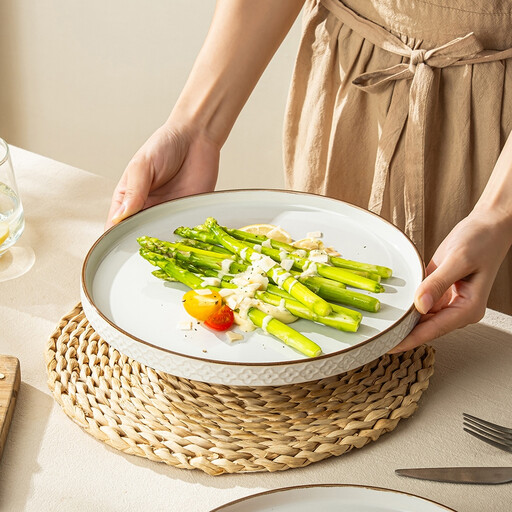
Why it suits this profile: A set of four ceramic dinner plates is a practical choice for a household or student accommodation. The 10.25-inch size gives you plenty of room for main courses and salads.
The product description states separately that the plates are suitable for the microwave and dishwasher. This makes their intended use clearer than a plate with only a general care claim.
Ceramic, stackable design and a set of four. According to the product information, they are also suitable for the oven, fridge and freezer.
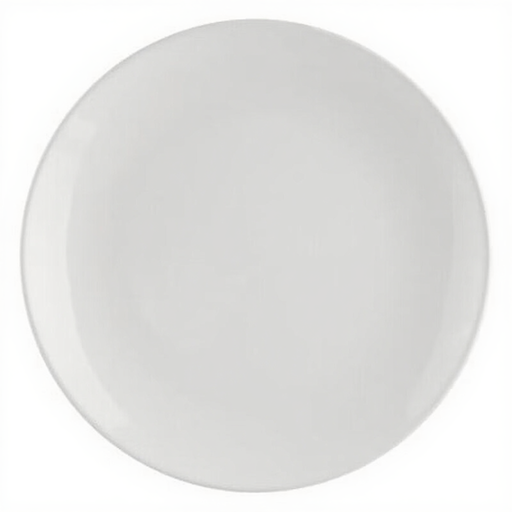
Why it suits this profile: This 26.4 cm stoneware plate is designed for stylish table settings and serving main courses every day.
The diameter and height are clearly stated. This lets you check in advance whether the plate will fit in your cupboard and dishwasher, rather than judging by looks alone.
Stoneware, 26.4 cm in diameter and 2.8 cm high. A good fit for a classic or contemporary table setting.
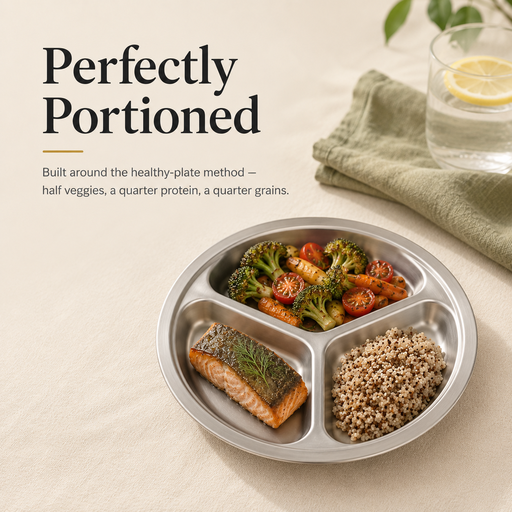
Why it suits this profile: The three compartments are practical for families, catering, hospitality, lunch boxes and camping. They keep different foods separate.
The product description explicitly states that the plate isn’t suitable for microwave use. It also gives separate information about dimensions, care and dishwasher use.
304 stainless steel, three compartments, a diameter of 19.5 cm and, according to the product information, dishwasher-safe.
For a restaurant, catering business or buffet, serving plates and presentation boards aren’t the same as plates for everyday use. An 11 × 30 cm slate serving plate is suitable for tapas, desserts and small dishes, but needs different care from ceramic. An acacia wood presentation board measuring 15 × 40 cm or 18 × 70 cm gives you room for cheese, snacks and nibbles, but according to the product information, it isn’t dishwasher-safe.
A sushi set can provide everything you need for an attractive presentation, with dishes, chopsticks and coasters. The Mazali Ko-set includes slate, bamboo and porcelain, among other materials. As the set contains fragile pieces, hand washing is recommended.
We’ve put together a complete, up-to-date list of products that meet these strict selection criteria and the applicable European safety regulations.
Ceramic and stoneware plates are often suitable for everyday use if the product information says they can go in the dishwasher and microwave. For children, camping and frequent use, stainless steel plates may be more practical as they’re less likely to break. Always check the product’s specific instructions.
No, don’t use stainless steel plates in the microwave. Metal can cause sparks. A stainless steel plate may be suitable for serving and, in some cases, for use in the oven or for steaming, but only if the product information explicitly says so.
How long a plate lasts depends on its material, use and care. Ceramic and stoneware can last a long time with careful use, but they’re still fragile. Stainless steel is suitable for more frequent use, while wood and slate mainly need to be washed by hand as recommended. Check plates regularly for cracks, sharp edges, warping or other damage, and replace any plate that is no longer safe or pleasant to use.
