
Vandaag of morgen in huis

Kwaliteit gegarandeerd

Welkomstaanbiedingen ontgrendelen: GRATIS bezorging | Tot 80% korting | Gratis 30 dagen JoyPlus-proefperiode
Download de app
Picking out new plates and bowls seems simple, until you find your purchase needs replacing after just a few months. A plate that chips in the dishwasher, a serving board that warps, or an "unbreakable" children's plate covered in scratches. These are common pitfalls stemming from clever marketing and unclear product information.
As a Joybuy Product Recommendation Officer, I see the challenges consumers face daily. Before you invest in new dinnerware, it's crucial to know what to look for. Let's break down the most common mistakes and the specifications that truly matter.
To avoid buyer's remorse, it's wise to look beyond appearances. These three factors are decisive for the quality and lifespan of your dinnerware.
The choice of material affects durability, ease of use, and appearance.
Always check the symbols or description for the following properties:
Below are some products that suit different needs, selected based on their specifications and functionality.
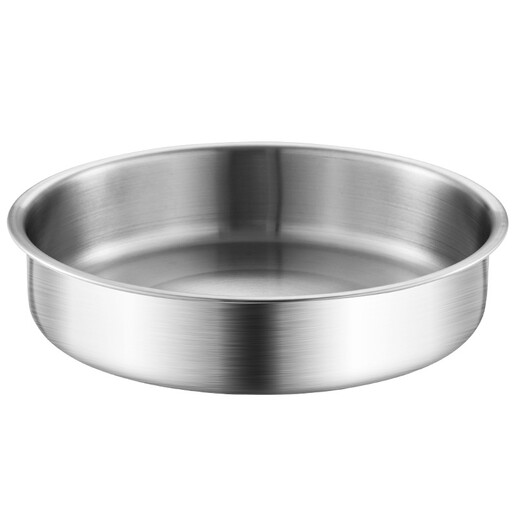
Why This Fits Their Persona: Ideal for daily use in a busy household. It's impact-resistant, can take a beating, and is therefore perfect for families with children. No more worries about broken dinnerware.
This is a truly unbreakable plate, unlike plastic variants that scratch and stain. 304 SS is a durable and hygienic material that retains its shape and function.
Suitable for use in the oven and steam oven, which offers extra versatility for heating or preparing dishes. Easy to clean.
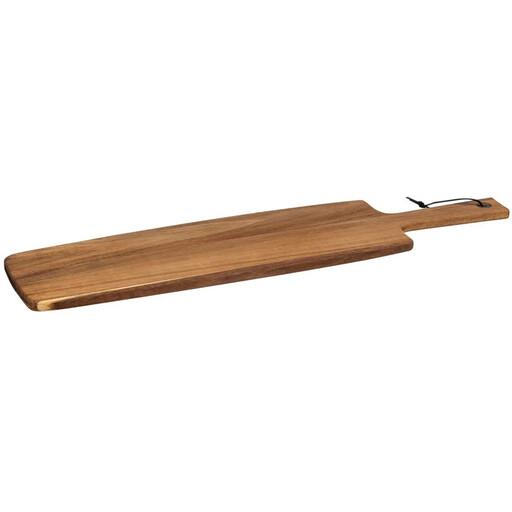
Why This Fits Their Persona: Perfect for serving appetisers, cheeses, or tapas during drinks or a party. The natural and warm look of the acacia wood makes it a stylish addition to any table.
This wooden serving board is made from acacia, a hardwood that is more resistant to moisture and warping than cheaper alternatives. This avoids the pitfall of style over function.
The extra-long 70 cm size provides ample space for an elaborate presentation. It is a multifunctional board that can also serve as a tapas board.
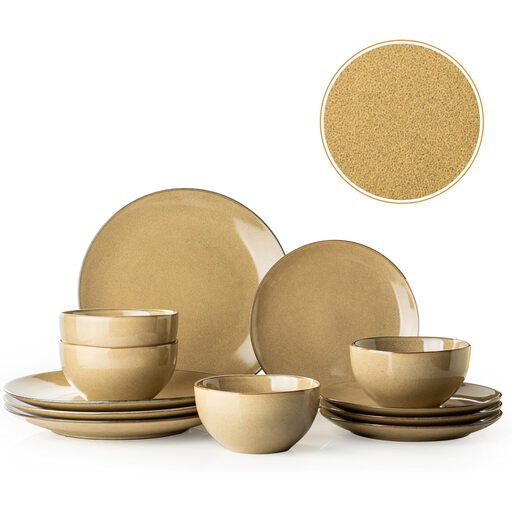
Why This Fits Their Persona: A complete dinnerware set for four people, including dinner plates, salad plates, and ceramic bowls. Ideal for those just starting out or anyone wanting a cohesive and modern set in one go.
According to the manufacturer, this set is fired at a high temperature (1400°C) and features a special glaze. This indicates better resistance to scratches and chips than standard ceramic.
The set is microwave and dishwasher-safe, making it practical for everyday use. The modern, solid-colour design fits into many interiors.
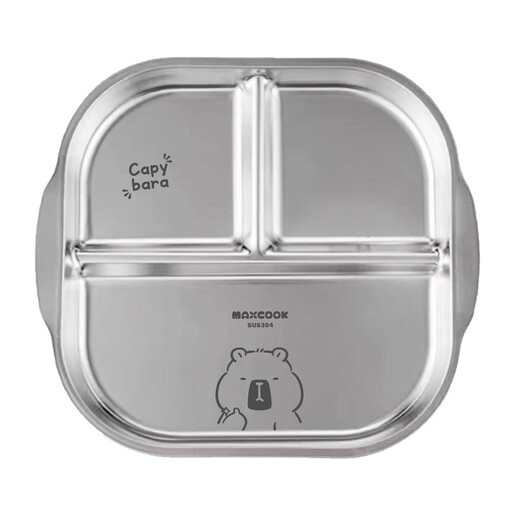
Why This Fits Their Persona: This children's plate with compartments is ideal for keeping different foods separate, which is helpful for picky eaters. The stainless steel material is safe, hygienic, and cannot be broken.
This compartment plate is a durable and safe alternative to plastic children's plates, which can scratch and may contain unwanted substances. Stainless steel is a proven food-safe material.
The compartments help with portion control and keep flavours separate. The plate is easy to clean and does not absorb odours or colours.
We have compiled a complete, up-to-date list of products that meet these selection criteria and comply with current safety regulations.
Ceramic is an umbrella term for objects made from fired clay. Porcelain is a specific, high-quality form of ceramic. It is made from a finer type of clay (kaolin) and fired at a much higher temperature (above 1200°C or 2200°F). This makes porcelain harder, stronger, less porous, and more translucent than other ceramics like earthenware or stoneware. In practice, this means porcelain plates are more resistant to chipping and staining.
A wooden serving board requires some maintenance to keep it beautiful and hygienic. Clean the board after use with a damp cloth and mild soap, and dry it immediately. Never put a wooden board in the dishwasher or let it soak in water, as it can warp or crack. Treat the board regularly (once a month, depending on use) with a food-safe mineral oil to prevent it from drying out and to maintain its natural shine.
Yes, stainless steel plates are very safe for food. Opt for a quality like 304 SS (also known as 18/8) or 316 SS. These materials are non-porous, which means bacteria cannot settle in them. They are also corrosion-resistant and do not leach chemicals or flavours into your food, unlike some plastics. This makes them a reliable and hygienic choice for both adults and children.
