
Vandaag of morgen in huis

Kwaliteit gegarandeerd

Welkomstaanbiedingen ontgrendelen: GRATIS bezorging | Tot 80% korting | Gratis 30 dagen JoyPlus-proefperiode
Download de app
Whether you're looking for a practical solution for your child's meals or a convenient cup for your yoghurt on the go, the choice in plastic tableware is vast. But not everything that seems convenient proves to be so in practice. Many products overpromise and underdeliver, leaving you with leaking cups and plates that crack after just a few falls. Let's explore how to avoid making the wrong choice.
A common pitfall is focusing solely on "BPA-free." While important, this is already the standard for many products in the EU. It says little about the overall quality or durability. Another disappointment is tableware marketed as "unbreakable" that still shows cracks after a few drops or a cycle in the dishwasher. This not only leads to waste but can also be unsafe.
To make a good choice, it's helpful to understand two core properties: the material and the functional design. These determine the safety, durability, and ease of use of your purchase.
Most reusable options are made from silicone or polypropylene (PP). Both are food-safe and BPA-free by default, but they have different properties.
Functionality is where a product truly proves its worth. For a baby feeding set, a strong suction cup that actually sticks to a smooth table or high chair tray is essential. Pay attention to the size of the base; a wider base typically offers more stability. For a yoghurt cup to go, a 100% leak-proof seal with a silicone ring in the lid is the only guarantee against a bag full of yoghurt. Separate compartments for muesli or fruit are a practical addition that keeps the contents fresh and crisp.
Based on these criteria, we have selected a number of products that suit different users.

Why This Fits Their Persona: Ideal for parents teaching their child to eat independently. This set combines a bowl, snack cup, and sippy cup, reducing the number of separate items on the table.
The wide suction base adheres firmly to smooth surfaces, making the "unbreakable" claim less relevant—the bowl simply won't fall. It is made of food-safe silicone and PP, shifting the focus from just "BPA-free" to actual material quality.
3-in-1 design: can be used as a bowl, snack holder, and sippy cup with a straw. Complete set: includes an ergonomic fork and spoon with soft silicone tips.
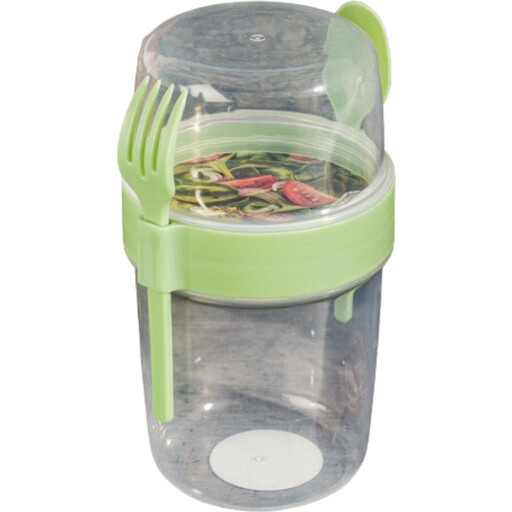
Why This Fits Their Persona: Perfect for anyone who brings a healthy lunch to work, school, or a picnic. This cup keeps ingredients separate and fresh.
This product directly addresses the pitfall of a 'leak-proof' cup that still leaks. According to the manufacturer, hollow silicone seals in the lid ensure a 100% airtight and watertight closure. The separate compartments prevent soggy muesli or salad.
Large capacity: with 1100 ml, there is enough space for a full meal. Multifunctional: suitable for the freezer, microwave (without lid), and dishwasher (top rack).
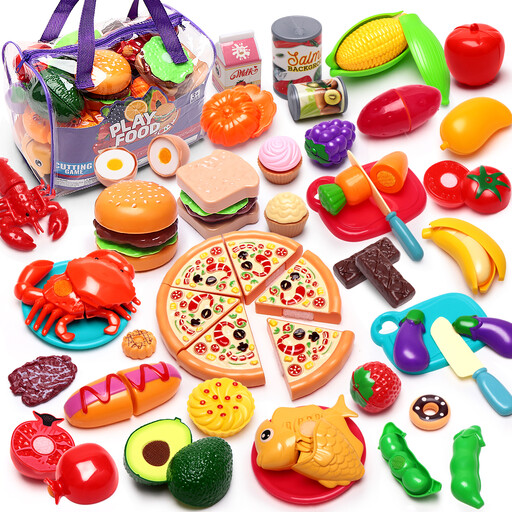
Why This Fits Their Persona: For parents looking for educational and safe **play food** that stimulates their child's fine motor skills and creativity.
Unlike cheap toys that break quickly, this set is made of sturdy plastic with smooth edges. The hook-and-loop design for "cutting" is more durable than weak magnets and provides a realistic play experience without the risk of small, loose parts.
Very extensive: 78 pieces of food, from fruits and vegetables to pizza and fish. Interactive design: many parts can be "cut" with hook-and-loop fasteners, which practices fine motor skills. Includes a storage bag.
We have a complete, up-to-date overview of play food that meets strict selection criteria and European safety standards.
Both materials have their advantages. Silicone tableware is more flexible and doesn't break, making it a safe choice for babies and toddlers who might throw their plates on the floor. Harder plastic like polypropylene (PP) is more scratch-resistant and lighter, which can be useful for older children or for use on the go. The choice depends on your priority: unbreakability (silicone) or scratch resistance and weight (PP).
For silicone tableware that has absorbed odours or colours, you can try soaking it for a few hours in a mixture of warm water and a little baking soda. Rinse it well afterwards. For both silicone and PP plastic, rinse off food residues immediately after use, especially from strongly coloured or spiced foods. If you use a dishwasher, place the tableware on the top rack to prevent warping from the heat.
A baby feeding set with a suction cup is typically useful from the moment a baby can sit upright independently and starts eating solid foods, usually around 6 months. It is especially helpful during the phase when children are developing their motor skills and often eat with their hands, which can lead to knocking over or sweeping a plate off the table. The suction cup provides stability and reduces mess.
