
Vandaag of morgen in huis

Kwaliteit gegarandeerd

Welkomstaanbiedingen ontgrendelen: GRATIS bezorging | Tot 80% korting | Gratis 30 dagen JoyPlus-proefperiode
Download de app
Whether you want to cat-proof your balcony, protect your vegetable garden from birds, or find a sturdy fence for your yard, plastic mesh seems like a simple solution. However, the wrong choice often leads to frustration: mesh that becomes brittle and tears after one winter, or openings that are too large for the intended purpose. Before you invest, it's wise to know what to look for to avoid buying a product that needs replacing within a few months.
Many types of mesh look the same on the roll, but the differences in quality are significant. These are the most common problems:
To avoid a bad purchase, you can focus on a few objective product features. These specifications determine the durability and suitability of the mesh for your project.
Not all plastic is created equal. The two most common materials for quality mesh are HDPE and PP, each with its own advantages.
One of the most important features for the lifespan of plastic garden mesh is UV stabilisation. This means that additives have been incorporated into the plastic during production to slow down degradation from ultraviolet radiation. Mesh with this treatment retains its colour and flexibility for years, even with constant exposure to the elements. Always check if the product description mentions "UV-treated," "UV-stabilised," or "UV-resistant."
The size of the openings (the mesh) is crucial.
Based on objective specifications, we have selected a number of products that suit common situations.

Why it's a match: This mesh is specifically designed for securing balustrades and railings. The 50 cm height is perfect for most balconies, and the silver colour provides a modern, discreet look.
Made from UV-treated HDPE, so it won't become brittle in the sun. The smooth, non-cutting edges prevent tearing during installation.
The rigid HDPE material ensures the net can be installed tautly without sagging, providing a neat and secure finish.
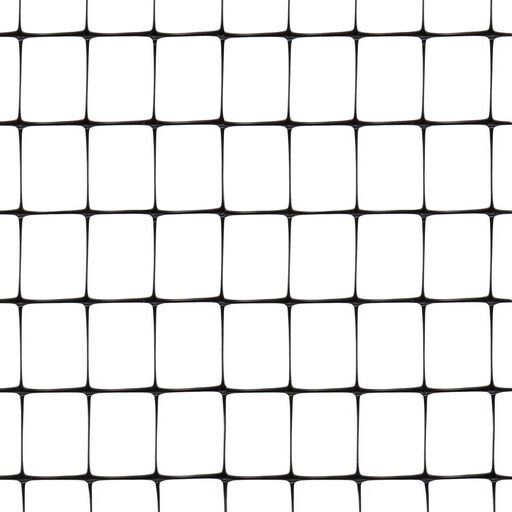
Why it's a match: This mesh is intended for building aviaries, chicken coops, and enclosures for small pets. It's designed to withstand the stress caused by animals.
Made from polypropylene (PP) which, according to the manufacturer, undergoes a molecular process for high tear and tensile strength. This is significantly stronger than standard plastic mesh.
It's lighter and easier to handle than metal mesh, yet still offers the necessary strength and durability for an animal enclosure. It is fully UV-stabilised.
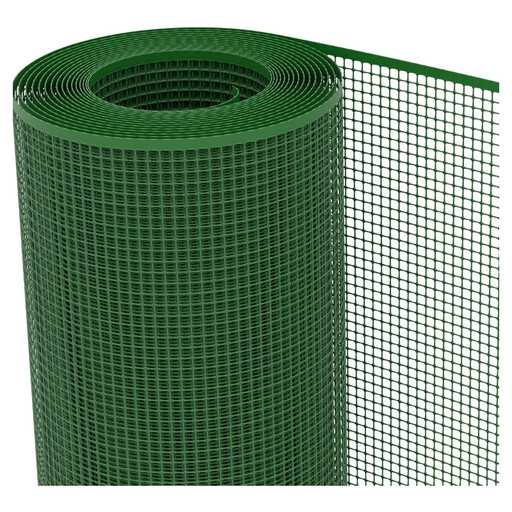
Why it's a match: A versatile and convenient solution for all sorts of garden jobs, from protecting flower beds to fencing off a small area. The green colour blends in seamlessly with plants.
The 10x10 mm mesh size is a practical middle ground that keeps birds out without blocking too much light. It is UV-treated for a lifespan longer than a single season.
The 1x10 metre roll is easy to handle, store, and cut to size. Ideal for those who don't need large quantities.
This is just a selection. We have a complete overview of products that meet the criteria for durability and functionality.
The lifespan depends on the material, thickness, and degree of sun exposure. A quality Tenax mesh made of HDPE or PP with UV stabilisation can typically last 5 to 10 years, depending on the conditions, before the material begins to weaken noticeably. Cheaper variants without this protection often don't last more than one or two seasons.
For a taut and secure result, it's best to use zip ties (cable ties). Attach the mesh to the balusters of the railing every 20-30 cm. Start on one side and work systematically to the other, keeping the mesh under slight tension to prevent sagging. Ensure there are no large gaps left at the top, bottom, or sides.
For small, calm dogs, a sturdy polypropylene mesh may be sufficient as a visual barrier. For medium to large dogs, or dogs that tend to jump or push, plastic mesh is generally not suitable. The force of a determined dog is too great for this material. In that case, a metal fence is a safer choice.
