
Vandaag of morgen in huis

Kwaliteit gegarandeerd

Welkomstaanbiedingen ontgrendelen: GRATIS bezorging | Tot 80% korting | Gratis 30 dagen JoyPlus-proefperiode
Download de app
A plastic garden net can protect against birds, provide screening on a balcony, fence in animals or give you privacy on a patio. However, not every net is suitable for every use. Fine-mesh balcony netting behaves differently from bird netting for fruit trees or a tightly woven windbreak.
The three most common buying mistakes are:
Many models are made from HDPE, or high-density polyethylene. This material is used for privacy screens, protective netting and balcony mesh. Polyethylene is relatively lightweight and easy to cut to size.
Polypropylene may be suitable for fencing netting for chickens, pets or an aviary. Check the tensile strength, mesh size and fixing method. Netting for an animal enclosure is not automatically suitable as fall protection or a load-bearing barrier.
Also look for a mention of UV treatment or UV stabilisation. According to the product information for various TENAX models, this helps reduce fading and material deterioration caused by sunlight. It doesn’t guarantee that a net will last indefinitely, so check it regularly for tears, fraying and loose fixings.
The size of the openings largely determines what the net is suitable for:
A model with 5 x 5 mm square mesh is different from netting with 10 x 10 mm mesh, for example. Don’t choose based on colour alone: check the dimensions and intended use of the product too.
First measure the length and height of the fence, balcony or crop area. Allow extra material for overlap and fixings. A 50-metre roll of garden netting is practical for long fences, but a compact 5- or 10-metre roll may make more sense for a balcony or small vegetable garden.
Check the following:
Never use a privacy screen or windbreak as a safety net or fall protection. According to the safety information for certain models, the material is intended for screening and shade only. Attach it to a stable surface and avoid loose loops that children or pets could get caught in.
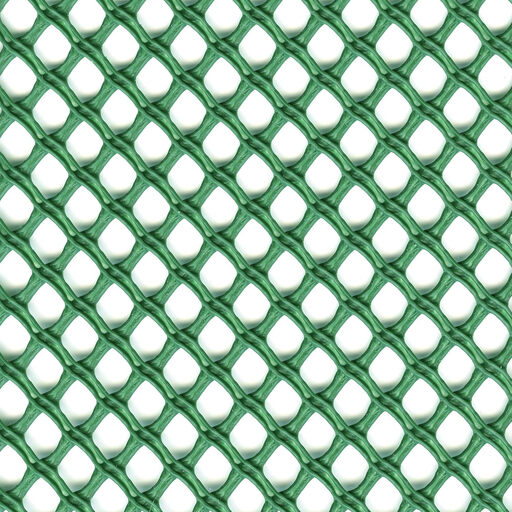
Why it suits this profile: The 1 x 5 metre roll is a manageable size for a balcony, patio, short fence or small screening project. According to the product information, the net can be cut to size and attached with plastic cable ties, which are not included.
The size means you won’t need to buy a long roll straight away for a small project. Be sure to check the height you need beforehand and buy fixings separately.
1 x 5 metres, green finish, UV-treated according to the product information and easy to cut.
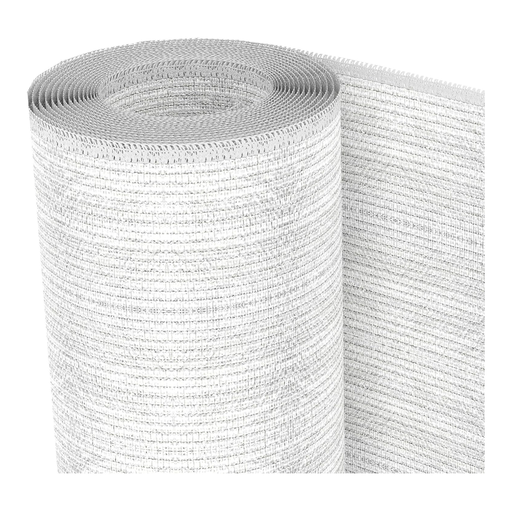
Why it suits this profile: This dense HDPE fabric is designed for large gardens, patios and balconies where privacy and shade matter. Its 2-metre width means you’ll need fewer horizontal lengths for a tall fence.
The product information specifies a weight of 95 g/m² and UV treatment. That gives you more to go on than a vague claim about strength, but make sure to plan enough fixing points for windy conditions.
2 x 50 metres, HDPE, white woven netting and suitable for privacy or horizontal shade applications according to the product description.
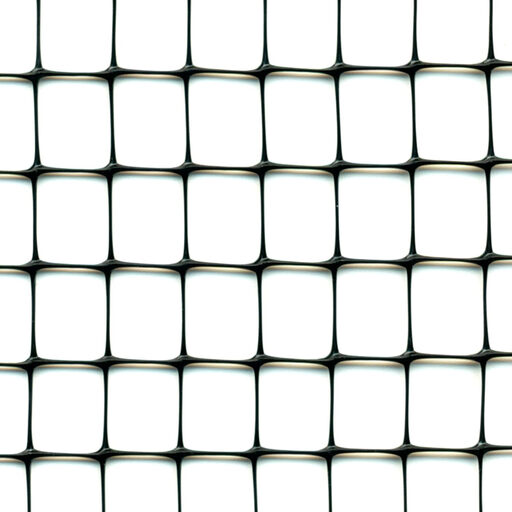
Why it suits this profile: This polypropylene fencing net is designed for larger areas, such as chicken runs, animal enclosures, aviaries and garden plots.
The roll is 100 metres long, so you’ll need fewer joins for a long fence. Check the mesh size and required height before ordering.
1 x 100 metres, black polypropylene, UV-stabilised according to the product information and lighter to handle than metal mesh.
For fruit trees and vegetable beds, garden bird netting and hail netting are practical alternatives to dense privacy mesh. The TENAX Defender Anti-Hail Net, for example, measures 2 x 10 metres and has reinforced sides according to the product information. Leave room for the plants to grow and secure the net with supports, string or weights, for example. These fixings are not included as standard.
Position bird netting so that animals cannot easily become trapped between the net and the plant. Check it regularly and remove it at the end of the season if the product instructions recommend doing so.
We’ve put together a full, up-to-date list of products that meet these strict selection criteria and the applicable European safety regulations.
Use fixing points along the top and bottom edges, with extra points at corners and joins. You can use plastic cable ties, wire or suitable clips, depending on the type of net. Tension the material evenly, but don’t pull it so tight that the edge tears. Privacy screens need extra care because of the wind load.
Its lifespan depends on the material, UV protection, tension and weather conditions. According to product information, UV-treated models may retain their colour and properties for longer, but prolonged exposure to sun, frost and storms will eventually cause wear. Check the net at least once before and after a busy season outdoors.
Yes, if the net has a sufficiently dense structure and is suitable for screening a balcony or patio. Open mesh generally offers less privacy than a woven privacy screen. Always check the fixings, as a dense screen catches more wind. Never use plastic garden netting as fall protection or as a structure for people to hang from.
