
Vandaag of morgen in huis

Kwaliteit gegarandeerd

Welkomstaanbiedingen ontgrendelen: GRATIS bezorging | Tot 80% korting | Gratis 30 dagen JoyPlus-proefperiode
Download de app
A plastic garden net may seem simple at first glance: unroll it, secure it and you’re done. In practice, problems often arise because the mesh size is unsuitable for the intended use, the roll is too short or the material is not suitable for long-term outdoor use. A balcony privacy net requires different properties from a bird net for the vegetable garden or a plastic fencing net for an animal enclosure.
The Joybuy Product Recommendation Officer helps you assess the key differences without taking marketing claims at face value.
A cheap roll may prove uneconomical if you need several pieces or are left with a lot of waste material. Always check the length and height of the unrolled net. A 1 x 5 metre roll is suitable for a balcony edge or small patio, while a 1 x 50 metre roll is a better choice for a long garden boundary.
Also consider the weight. A heavy roll may feel sturdier, but it is more difficult to transport and install. A lightweight polypropylene garden net can be useful for temporary fencing, an aviary or a large area.
A small mesh keeps small animals or falling objects out more effectively, but it can catch more wind and requires more fixing points. A larger mesh often works better as a climbing net for plants, as stems and tendrils can grow through it more easily.
A plastic fence with a 35 x 48 mm mesh serves a different purpose from a net with a 5 x 5 mm mesh. So don’t just look at its appearance; consider what needs to pass through it, grow through it or be kept out.
According to TENAX’s product description, certain models are UV-treated or UV-stabilised. This means that the manufacturer describes the material as suitable for use in sunlight and less susceptible to fading. It does not mean that every plastic garden net is suitable as fall protection, a load-bearing structure or a permanent barrier without sturdy posts.
Do not use a garden net as a balustrade, climbing material or fall protection. After installation, check that there are no sharp cut cable-tie ends or protruding staples.
According to TENAX, the Millennium net is made from 100% polypropylene and has been designed with molecularly oriented threads for high tensile and tear resistance. This is a brand claim from the product information, not a guarantee that the net is suitable for every structure.
The mesh determines how the net works in practice:
A fine-mesh garden bird net allows light, air and water through according to TENAX’s product description, but position it so that birds cannot become entangled. Check the net regularly for tears and loose sections.
Measure the total length of the line and allow extra material for corners and fixing points. For a garden boundary with posts, an interval of approximately 2 to 2.5 metres is given as installation advice for the TENAX Millennium Green Fencing Net. The exact spacing depends on wind load, the ground conditions and how tightly the net is tensioned.
Plastic cable ties, wire or staples are not included with every product. With a balcony net or wind and privacy net, it is important that the fixings support the net evenly. A sagging net catches more wind and can become misshapen more quickly.
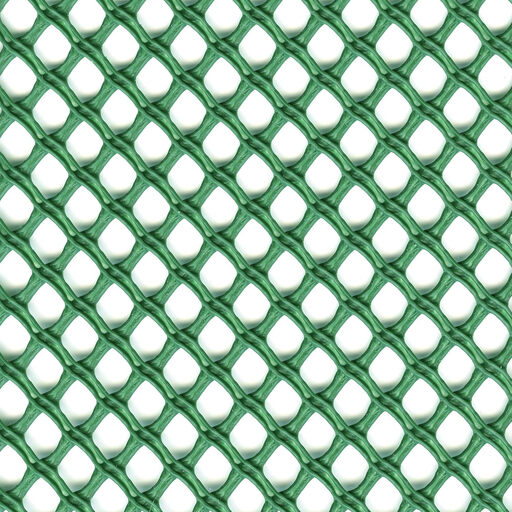
Why it suits this profile: The compact roll is practical for a small balcony, patio or short garden boundary. According to the product description, the net can easily be cut to size with scissors.
The 1 x 5 m size makes it easy to calculate what you need in advance, so you don’t immediately buy a long roll for a small area.
Green plastic net, 5-metre length and, according to TENAX, suitable for protection from prying eyes and wind.
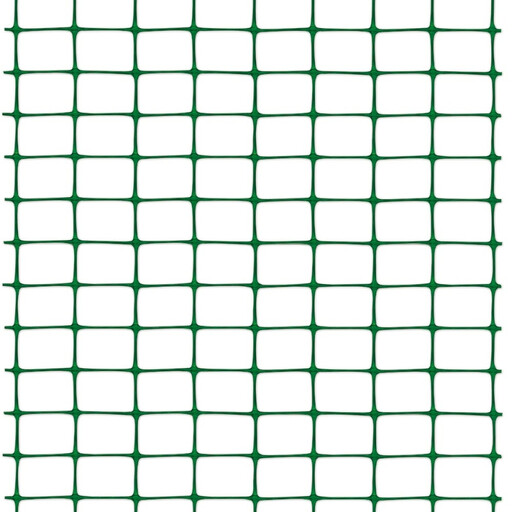
Why it suits this profile: This polypropylene net is suitable for a permanent boundary around a garden, property or animal enclosure where greater tensile and tear resistance is desired.
The product specification states that it is made from 100% polypropylene and supported by posts to limit sagging. This makes installation more specific than simply making a claim about “strength”.
1.5 x 10 m size, green colour and, according to TENAX, resistance to tearing and corrosion.
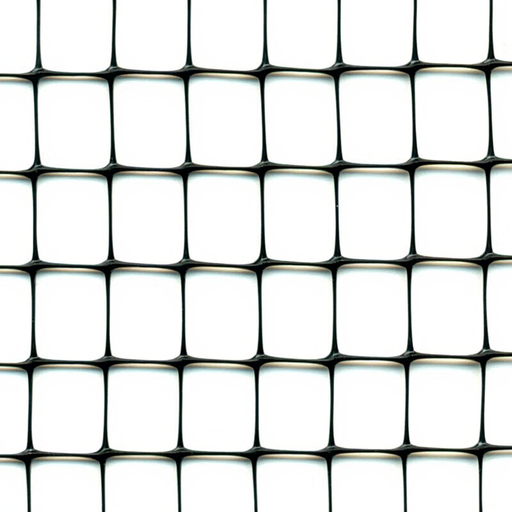
Why it suits this profile: The 100-metre roll is intended for large gardens, agricultural applications, poultry enclosures, aviaries or a long animal enclosure.
The large roll means you won’t need to join several short sections for a long stretch. However, check the required posts and fixing materials in advance.
Polypropylene, 1 x 100 m and, according to TENAX, UV-stabilised with resistance to tensile, tear and puncture loads.
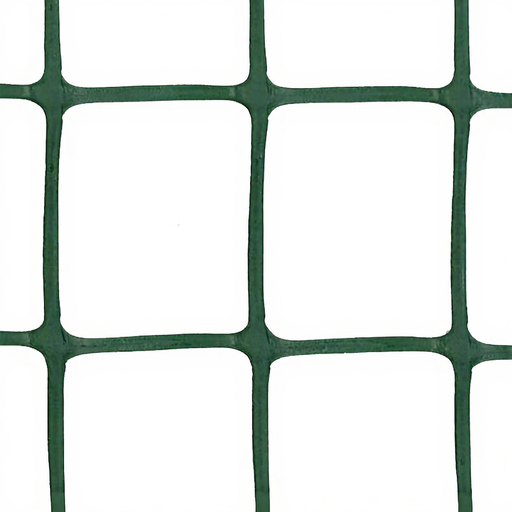
Why it suits this profile: The 4.2 x 4.2 cm mesh leaves room for climbing plants such as tomatoes, peas and roses on a balcony, against a fence or along a wall.
The wide mesh prevents you from buying a fine-mesh net that gives plants little support. Wall fixing clips are sold separately.
PE material, 30-metre length and, according to TENAX, UV treatment to help preserve its colour and properties.
We’ve put together a complete, up-to-date list of products that fully meet these strict selection criteria and the applicable European safety regulations.
First unroll the plastic garden net fully and check that the dimensions are correct. Then secure the net evenly to posts, a fence or a balcony railing. On a balcony, do not use fixings that could damage the railing or allow the net to come loose in windy conditions.
Cut the net with suitable scissors or wire cutters. Finish the cut ends neatly and point sharp parts of staples or cable ties away from walkways. Rinse off dirt with water. With a wind and privacy net, regularly checking the fixing points is more important than simply cleaning the material.
For a garden bird net, check especially often for holes and loose edges. A net placed over fruit trees or vegetable beds must not hang loosely where animals could become entangled.
First measure the length and height of the railing. Attach the net using suitable plastic cable ties or other fixings that are appropriate for the surface. Keep the tension even, but do not pull the net so tight that the fixing points are placed under unnecessary strain. Also check the rules set by your landlord or residents’ association.
Its lifespan depends on the material, UV protection, wind load, installation and use. According to TENAX product information, various PE, HDPE and PP nets are UV-treated or UV-stabilised. This describes the properties specified by the manufacturer; the actual lifespan varies depending on the location. Replace the net when it becomes brittle, tears or can no longer be secured firmly.
For climbing plants, choose a climbing net for plants with a wide mesh, such as 4.2 x 4.2 cm. For an animal enclosure, the material, mesh size, height and fixing method are more important than the colour alone. A net must not be used as a load-bearing structure or fall protection. Check it regularly for damage and make sure animals cannot reach loose or sharp edges.
