
Vandaag of morgen in huis

Kwaliteit gegarandeerd

Welkomstaanbiedingen ontgrendelen: GRATIS bezorging | Tot 80% korting | Gratis 30 dagen JoyPlus-proefperiode
Download de app
A plastic fence seems like a simple purchase, until you're faced with a product that turns brittle and breaks after one winter, or a net that can't withstand your energetic pets. Many products promise durability, but in practice, they quickly fall short. This leads not only to frustration but also to unnecessary costs. Before you make a choice, it's crucial to know what to look for to avoid wasting money on a fence that doesn't deliver on its promise.
We've listed the most common pitfalls and the most important specifications for you, so you can make an informed decision.
Not all plastic fencing is created equal. Marketing terms can be misleading. Pay attention to the following points to avoid disappointment:
plastic chicken wire or for other small animals.aviary mesh will let small birds escape, while a mesh that is too small for a plastic boundary fence can unnecessarily obstruct the view or increase wind load, putting extra pressure on the structure.To make the right choice, focus on the specifications that truly matter. These are the technical details that determine the lifespan and functionality of your plastic fencing.
Most plastic fences are made of Polypropylene (PP) or High-Density Polyethylene (HDPE).
garden mesh and a balcony net, where flexibility and a smooth, non-cutting finish are important.A quality plastic fence has UV stabilisers mixed throughout the material, not just as a surface layer. This ensures the product retains its colour and strength for years, even when exposed to direct sunlight and changing weather conditions. Products that specifically mention resistance to salt corrosion are a good indicator of durability, especially for use in coastal areas.
Think carefully about the purpose of your fence and choose the right mesh size:
aviary mesh to keep birds in, as a balcony net for safety, or to prevent small pests from entering your vegetable garden.plastic chicken wire, fencing off flower beds, or as general garden mesh.pond net to catch leaves in the autumn or for decorative partitions where maximum visibility is desired.Based on objective product specifications, we have selected a number of options that suit different user profiles.
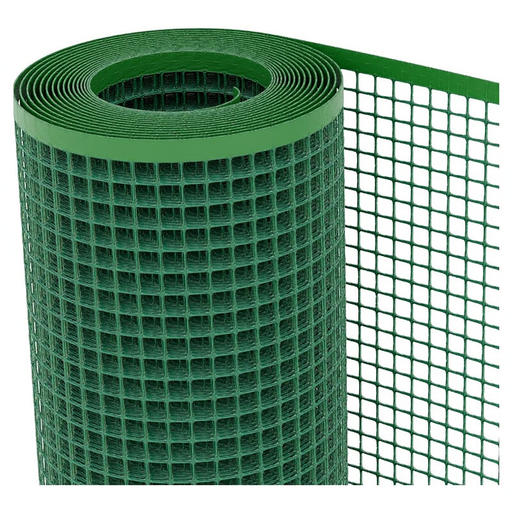
Why it's a match: You're looking for a versatile and affordable solution for various jobs, such as protecting a balcony, fencing off a vegetable garden, or guiding climbing plants. This net is lightweight, easy to cut to size, and simple to install.
The product is made of HDPE and, according to the manufacturer, is treated with a UV coating to prevent discolouration and brittleness, thus tackling the pitfall of rapid wear from the sun.
The smooth, non-cutting edges and the flexibility of the HDPE material make it safe and easy to use, even in places like balconies where children or pets are present.
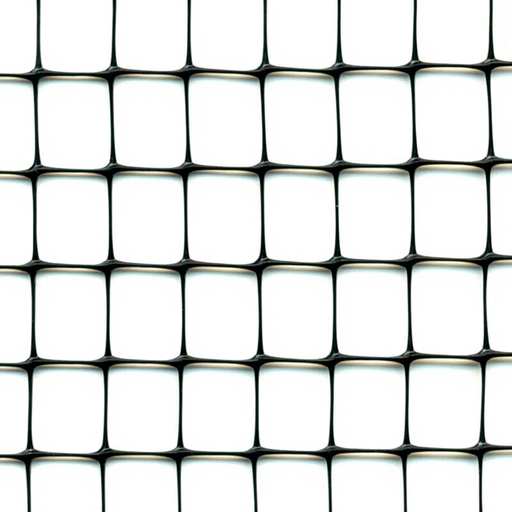
Why it's a match: You need a reliable and strong net for a chicken run, aviary, or to keep other small pets safely in your garden. For you, strength and durability are non-negotiable.
This PP net tackles the pitfall of misleading strength. According to the manufacturer, a special production process ensures high tear, puncture, and tensile strength, which is essential for safely housing animals.
It is lightweight compared to metal mesh, which significantly simplifies transport and installation, without compromising on the strength needed for an animal enclosure.
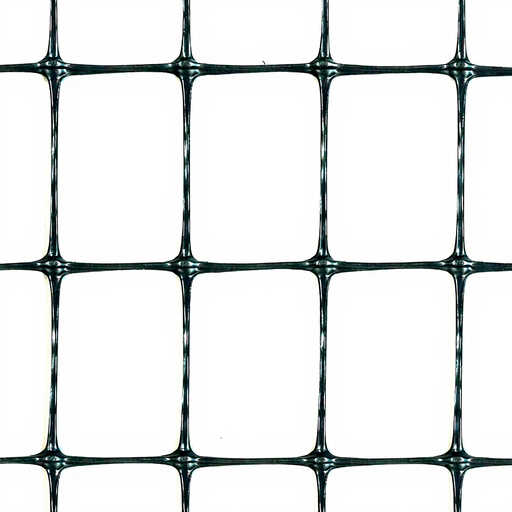
Why it's a match: You want a permanent, maintenance-free, and stylish boundary fence that will last for years. You are willing to invest in a product that rivals the strength of metal but offers the benefits of plastic.
This product is designed for a long lifespan. According to the manufacturer, it is resistant to salt corrosion and UV radiation, and has a very high resistance to pulling and tearing, thereby avoiding the pitfalls of both rapid wear and weakness.
It combines the robustness you expect from a permanent fence with the lightweight and rust-proof properties of plastic, making it a practical long-term choice.
We have compiled a complete, up-to-date list of products that meet these selection criteria and applicable regulations.
The lifespan depends heavily on the quality. A cheap, non-stabilised fence can become brittle after just 1 to 2 years. However, a high-quality product made of PP or HDPE with good UV stabilisation can last 5 to 10 years or even longer, depending on its exposure to the elements. Some manufacturers, like TENAX for their Millennium line, even offer a 10-year warranty on their product.
This depends on the dog and the type of mesh. For small, calm dogs, a heavy-duty polypropylene net, such as the TENAX Millennium, may be sufficient to define an area. However, for larger, more energetic, or determined dogs, a plastic fence is usually not the safest choice. In those cases, a traditional metal or wood fence is a better option.
Installation is generally straightforward. You will need posts (wood, metal, or plastic) placed in the ground every 2 to 3 metres. Then, unroll the mesh, pull it taut, and attach it to the posts with zip ties, staples, or binding wire. The major advantage is that the rolls are much lighter and easier to handle than traditional metal mesh.
