
Vandaag of morgen in huis

Kwaliteit gegarandeerd

Welkomstaanbiedingen ontgrendelen: GRATIS bezorging | Tot 80% korting | Gratis 30 dagen JoyPlus-proefperiode
Download de app
A plastic fence might seem like a practical choice: it's lightweight, low-maintenance, and often more affordable than wood or metal. But the market is flooded with options that look good at first glance, only to disappoint in practice. Many garden owners fall into the same traps, ending up with a sagging, discoloured, or broken fence.
Before you invest in a new plastic garden fence, it's crucial to know where the weak points are. These are the most common problems:
Fortunately, you can avoid these problems by paying attention to a few crucial specifications.
You don't need to be a materials scientist to make a durable and functional choice. Just look for the following three points in the product description.
Not all plastic is created equal. For fencing, polypropylene (PP) is a widely used and reliable material. This type of plastic is known for its excellent balance of stiffness and flexibility. Manufacturers like Tenax mesh often use a special production process where the polypropylene mesh is stretched in two directions. According to the manufacturer, this increases the molecular density, resulting in significantly higher tensile and tear strength compared to standard plastic mesh.
A product labelled "UV-stabilised" or "UV-treated" contains additives that protect the material from the degrading effects of sunlight. This isn't a luxury; it's a necessity for any product that will be permanently outdoors. A UV-stabilised fence will retain its colour and, more importantly, its structural integrity for much longer. It prevents the plastic from becoming brittle and breaking.
The mesh size (the size of the openings in the mesh) determines its application:
Always check the roll's dimensions (height and length) to ensure you have enough material for your project.
Based on these objective criteria, we have selected several products that suit different needs and budgets.
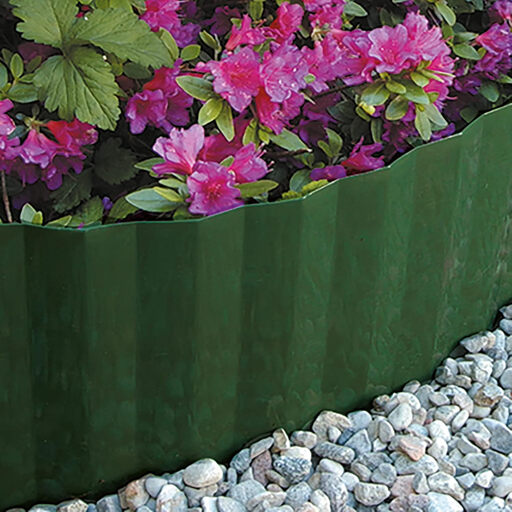
Why This Fits Their Persona: Ideal for those seeking a quick, affordable, and purely visual separation between the lawn and flower beds. The low height and flexibility are perfect for creating neat, wavy edges without needing a strong barrier.
This product isn't designed as a fence, but as a border edge. It avoids the "pudding" trap because it doesn't pretend to be strong; it's designed for flexibility and decoration.
UV-resistant material prevents rapid discolouration. Highly flexible, making it easy to adapt to the shape of flower beds.
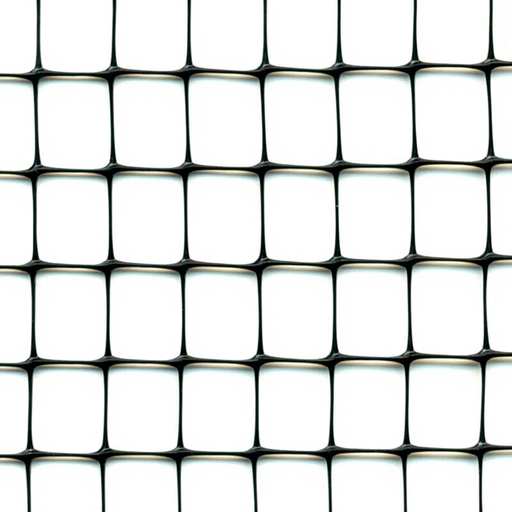
Why This Fits Their Persona: Suitable for creating a chicken run, an aviary, or a secure enclosure for rabbits and other small pets. Its strength is crucial to prevent animals from escaping or predators from getting in.
According to the manufacturer, this polypropylene mesh is molecularly oriented, which provides high tear and tensile strength. This directly addresses the "pudding fence" pitfall, creating a reliable barrier.
UV-stabilised for a long lifespan. Lightweight roll, making it easier to handle and install than metal mesh.
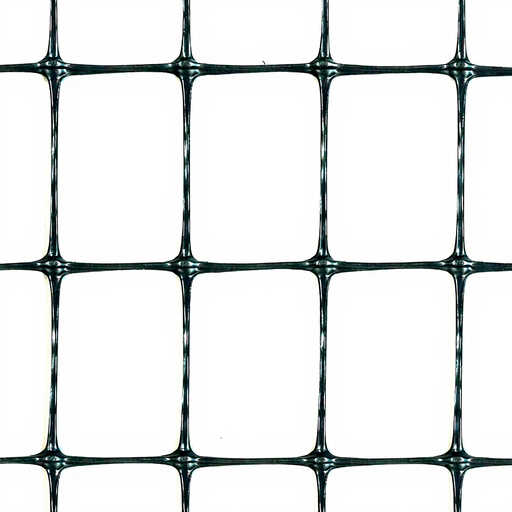
Why This Fits Their Persona: For those looking for a permanent property boundary that approximates the look and strength of metal but offers the benefits of plastic. Suitable for residential homes, including in coastal areas where salt corrosion is a problem for metal.
This fencing tackles both core problems. According to the manufacturer, it is "as strong as metal" and has very high resistance, which prevents sagging. The UV treatment and weather resistance combat brittleness and discolouration.
Does not rust and is resistant to salt corrosion. Offers a sleek, modern look with minimal maintenance.
We have compiled a complete, up-to-date list of products that fully meet these strict selection criteria.
The lifespan depends heavily on the quality. A cheap, non-UV-stabilised mesh can become brittle after just 1-2 years. A high-quality polypropyleneplastic garden mesh with UV protection can last 5 to 10 years or even longer, depending on the conditions. Always check the product information for claims about UV resistance.
This depends on the type of mesh and the dog's size and behaviour. For small, calm dogs, a strong polypropylene mesh may suffice. For larger, stronger, or jumping dogs, a heavier, metal-reinforced, or all-metal fence is often a safer choice. Pay attention to the tensile strength and the height of the fence.
For a taut result, proper preparation is essential.
